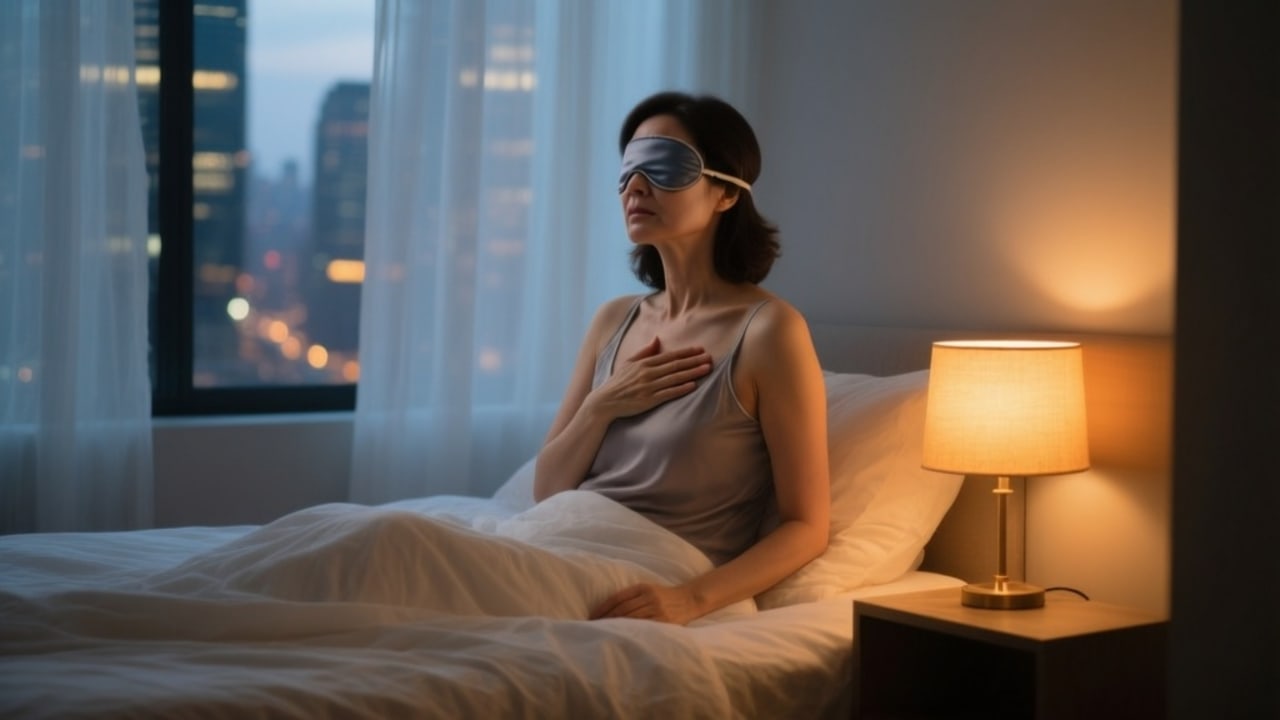
Most people blame stress, screens, or “being a night owl” when energy, mood, or workouts feel off. Here’s the thing: your timing—not just your total sleep—may be the quiet saboteur.
Picture this: it’s Saturday and you finally sleep in. Feels amazing… until Sunday night when you can’t fall asleep, Monday you’re groggy, and by midweek you’re chasing coffee. That one-hour shift is small, but your heart, hormones, and metabolism notice.
A 2025 scientific statement from the American Heart Association linked circadian disruption with higher risks for cardiovascular disease, Type 2 diabetes, and high blood pressure. The twist? Light timing, meals, and exercise—not just bedtime—set that rhythm.
- Consistency beats perfection: A stable wake time anchors your clock more than a “perfect” bedtime.
- Morning light is medicine: 10–30 minutes of outdoor light soon after waking may strengthen sleep at night.
- Eat with the sun: Earlier, regular meals support metabolic rhythms; late-night eating can push your clock later.
- Counterintuitive: Bright daytime light can help you fall asleep earlier more than blue-light blockers alone.
- DST drama aside: Policy debates continue, but your daily timing habits matter most.
Your body runs on timing, not just sleep hours
Think of your circadian system like an orchestra. The suprachiasmatic nucleus in your brain is the conductor, syncing players across your body—heart, liver, muscles—so they hit their cues together. Light from your morning commute tells the conductor when to raise the baton; meals and movement fine-tune the tempo.
Inside cells, clock genes (like CLOCK, BMAL1, PER, and CRY) cycle on roughly 24-hour loops that govern blood pressure, cortisol, insulin sensitivity, and more. A 2025 AHA scientific statement in Circulation (Knutson et al.) emphasized that alignment of these rhythms with the light–dark cycle is a pillar of cardiometabolic health.
Analogy: The 9 p.m. espresso
If the conductor calls for strings and the brass section blares, the piece sounds off. Late-night light or meals are like a 9 p.m. espresso for your clock—they nudge the “start” of your biological day later, even if you swear you’re in bed by 11.

Small mis-timings add up—and your heart notices
Being off by even an hour here and there—“social jetlag”—can mean you live weekdays in one time zone and weekends in another. Over time, that mismatch can stress systems that regulate blood pressure, inflammation, and glucose.
The AHA statement linked circadian irregularity with higher risks for obesity, Type 2 diabetes, and hypertension. And there’s a mental health tie-in: the Barrow Neurological Institute notes that chronic circadian disruption raises vulnerability to anxiety, depression, and burnout, and that up to 5% of adults experience a clinically significant circadian rhythm disorder at some point (medically reviewed 2026 by Dr. Joyce Lee-Iannotti).
Scenario: The weekend shift
Most of us have been there—Friday night runs late, Saturday brunch drifts the day forward, Sunday won’t let you fall asleep. Monday’s grogginess isn’t just “not enough hours”; it’s your internal clock lagging behind your calendar.
Daylight saving time: what the science actually says
You’ve seen bold claims that daylight saving time (DST) changes cause massive health fallout. The evidence is mixed. A 2026 analysis in PNAS by Martín-Olalla and Mira challenged a high-profile 2025 paper, arguing its method overcounted circadian shifts and couldn’t support sweeping conclusions about global health risks from DST policy.
Here’s the takeaway for your daily life: whether or not DST itself drives population-level outcomes, abrupt one-hour shifts feel hard for many people—especially if you’re already short on sleep. The practical fix is to control what you can: stable wake times, smart light exposure, and earlier meal timing the week of the switch.
If you work nights
Shift work is its own challenge. A consistent “anchor sleep” block, strategic light (bright light on duty; very dark during daytime sleep), and a regular meal schedule may help. It’s worth discussing tailored strategies with a sleep professional.

The reset plan: light, meals, movement, wind-down
You don’t need a wellness sabbatical to realign your clock. Think small, repeatable levers you can pull daily—especially light timing. Research consistently shows that morning outdoor light is a powerful cue that can advance your clock and make falling asleep easier at night (highlighted by the AHA statement).
Meals matter too. Your liver has its own clock, and late eating can shift it. Many people find that concentrating calories earlier in the day—without late-night snacks—supports steadier energy and better sleep. Pair that with afternoon movement and an evening wind-down that dims lights and screens.
A one-week tune-up
Days 1–3: Lock your wake time, get 10–30 minutes of outside light within an hour of waking, and eat breakfast within 90 minutes. Days 4–5: Push dinner 30–60 minutes earlier, cut caffeine after lunch, and get a brisk walk before sunset. Days 6–7: Keep weekend wake time within an hour, dim lights two hours pre-bed, and save melatonin for clinician-guided use if needed.
Why this matters
This isn’t abstract physiology; it’s whether you have fuel for your 8 a.m. meeting, patience for your kid’s bedtime, and enough recovery to make tomorrow’s workout feel doable. When your clock and calendar agree, effort feels lighter.
“You can’t willpower your way out of bad timing. Fix the cues and your body follows.”
And because circadian misalignment is tied to cardiometabolic risk, these small timing tweaks aren’t just about falling asleep faster—they may be one lever for long-term heart health.
What you can do today
- Get outside early: 10–30 minutes of morning daylight may help advance your circadian rhythm and improve sleep quality.
- Protect your wake time: Keep it consistent seven days a week (or within one hour on weekends) to reduce “social jetlag.”
- Front-load meals: Aim to finish dinner 2–3 hours before bed; earlier, regular meals may support glucose control and sleep.
- Time your stimulants: Consider a caffeine cut-off 6–8 hours before bed and avoid alcohol close to bedtime.
- Layer light at night: Dim overheads, use warmer lamps, and reduce screen brightness; blue-light filters can help, but bright daytime light is the bigger win.
You don’t need perfect discipline—just better timing. If this helped, share it with the friend who “just can’t fall asleep before midnight,” and bookmark it for the next clock change.
Frequently Asked Questions
A rough rule is about one day per time zone crossed, faster with strong morning light exposure and regular meals. Short-term melatonin may help some people; discuss dosing and timing with a clinician if you have medical conditions or take other medications.
Evidence is mixed. A 2026 PNAS analysis questioned methods used to claim severe global health risks from DST. Short-term sleep loss and schedule shifts can still feel rough, so easing into the change with earlier bedtimes and morning light is sensible.
Many people do better finishing dinner 2–3 hours before bed and keeping a consistent eating window. If you have reflux, diabetes, or take medications, ask your doctor or dietitian about timing that fits your needs.