
You reread the same email three times. The name you just heard slips away like steam. Coffee helps—until it doesn’t. If your brain feels cottony when you need it sharp, there’s a good chance your stress system is in the driver’s seat.
Here’s the thing: most people blame “getting older” or “bad memory” when the real culprit is often cortisol—the body’s primary stress hormone—plus sleep debt and screens. And yes, for many in their late 30s to 40s, hormone shifts during perimenopause can add fuel to the fog without meaning anything’s “wrong.”
A 2026 review from UCL reported that over two-thirds of people going through menopause experience memory or concentration issues—yet overall cognitive performance typically stays within normal ranges. Translation: you might feel off, but you’re not “losing it.”
- Cortisol can cloud working memory—managing stress may clear thinking.
- Sleep regularity beats sleep quantity for focus; anchor your wake time.
- A 10–15 minute brisk walk can sharpen attention within hours.
- Laughter lowers stress hormones—yes, comedy can be a legit tool.
- Perimenopause fog is common and usually not a sign of dementia.
Meet the cortisol–brain fog loop
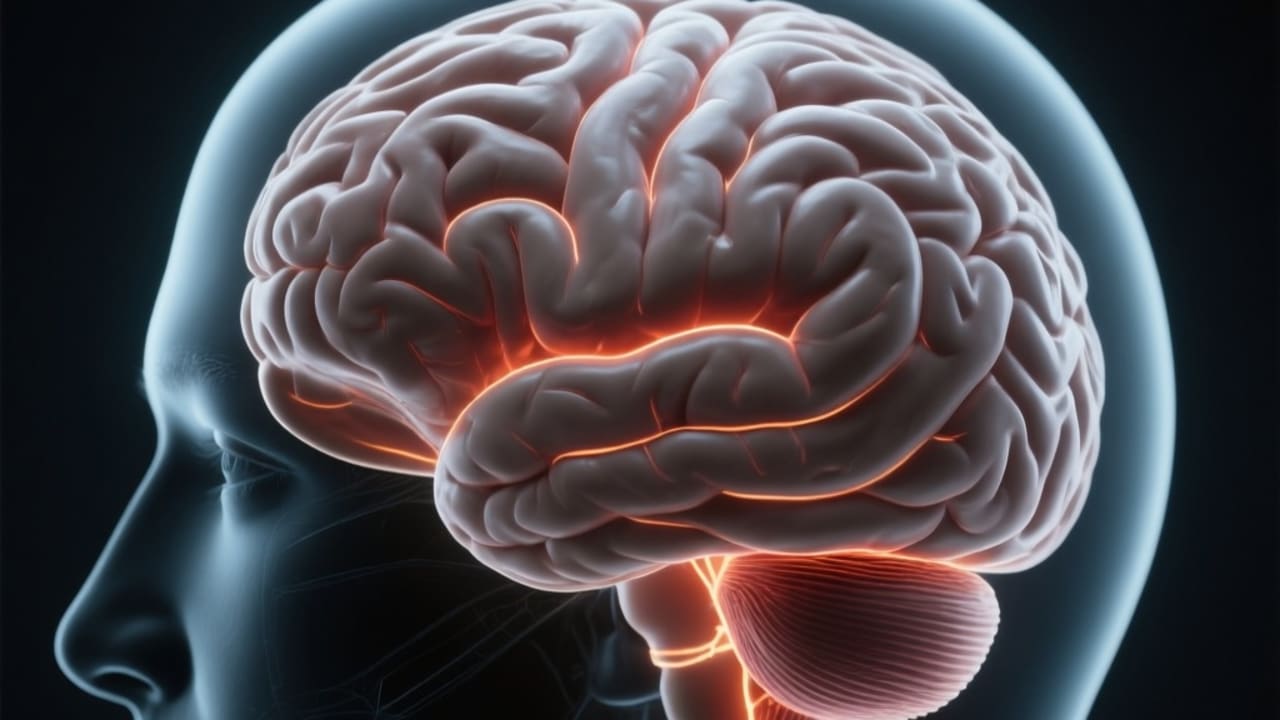
Picture your brain like a browser with too many tabs open. Cortisol keeps “refreshing” the stress tab, pulling power from the ones you need—memory, focus, planning. Short bursts of cortisol can help you perform; chronic surges tend to blur the edges of your working memory and slow recall.
Harvard Health describes the “relaxation response”—the body’s built-in brake pedal that slows breathing, reduces heart rate, and tamps down stress hormones. Even a quick 10-minute walk can “burn off” some of that tension chemistry and nudge your brain back toward clarity. And yes, laughter literally shifts the cocktail of stress chemicals in your favor.
Most people have been there—your meeting starts, your mind stalls. Rather than pushing harder, think “pressure valve.” A minute of slow breathing or a brisk loop around the block may help more than rereading the slide again.
Sleep debt + screens: the perfect storm
You know that feeling when it’s 11:47 p.m., you’re “just checking one thing,” and suddenly the clock reads 1:02? Blue light and emotional content can nudge cortisol upward and delay melatonin, making both falling asleep and staying asleep harder—and fog thicker the next day.
The American Brain Foundation recommends consistent sleep routines and short breaks to reduce cognitive overload. Anchoring your wake time (even on weekends) is one of the quietest high-impact moves you can make. Think of it like setting your phone to “night shift” for your entire nervous system.
A practical litmus test: if your morning feels like wading through honey, your brain may be paying interest on a sleep debt. The fix often starts the night before—dim lights, screens off, and a simple wind-down ritual.
Food and movement that sharpen thinking
Turns out, your brain loves basics—protein, fiber, fluids, and movement. Underfueling or riding a blood-sugar rollercoaster can make fog worse. Aim for protein at each meal and colorful plants for fiber and micronutrients; staying hydrated keeps attention steadier than most people expect.
Harvard Health notes that even brief aerobic activity can release feel-good chemicals and relax muscle tension. The American Brain Foundation also underscores daily movement—even short, brisk walks—to enhance alertness and cognitive function. If high-impact workouts aren’t your thing, low-impact options like cycling or swimming may help.
Relatable scenario: that 3 p.m. meeting. Instead of another snack and a scroll, try a 10–15 minute outside walk with water in hand. Many people feel their mental “resolution” snap a click sharper by the time they sit back down.

When hormones shift: cycles, perimenopause, and fog
Hormones influence the brain’s stress circuits. During perimenopause, fluctuating estrogen and progesterone can affect sleep, mood, and how focused you feel. A UCL review (2026) found that more than two-thirds report memory or concentration challenges during the transition—yet overall performance typically remains within expected ranges, and anxiety about dementia is often misplaced.
There’s early but promising research on psychological therapies: the same review highlights CBT-based approaches improving memory and concentration for some. Clinicians who work in this space also discuss the HPA axis (your stress system) as a key player—so tools that calm cortisol may ease fog whether or not you pursue hormone therapy.
Most people have been there—new night sweats, patchy sleep, fuzzier recall. It’s not a personal failing; it’s a season. Track patterns, stack small supports, and talk with a clinician if symptoms disrupt daily life.
Why this matters
Fog doesn’t just steal your keys—it steals your presence. It makes you reread the bedtime story, lose your place in the deck, and forget the joke you were halfway through telling. When your brain feels reliable again, ordinary moments feel lighter.
“You’re not broken—you’re overloaded. Give your brain less noise and more rhythm.”
And because the same small habits lower long-term health risks—movement, sleep regularity, stress tools—chasing clarity today also stacks the deck for future you. The win is both now and later.
What you can do today
- Walk for 10–15 minutes after a tough task. Research from Harvard Health suggests brief aerobic activity may reduce stress hormones and sharpen attention.
- Anchor your wake time within a 30-minute window. The American Brain Foundation recommends consistent routines; regularity may help clear morning fog.
- Try a 60–90 second breathing reset. Inhale through the nose for 4, exhale for 6–8. This may trigger the relaxation response and lower “noise.”
- Build a focus-friendly plate. Include protein, fiber-rich plants, and water at each meal. This may steady energy and attention.
- Use “joy as medicine.” A comedy clip or a call with a funny friend may lower stress hormones and brighten cognition. If fog persists or worsens, consider discussing it with a clinician.
Fog is fixable—often with small, boring moves done consistently. Share this with the friend who’s stuck rereading the same paragraph, then pick one habit to try together tonight.
Frequently Asked Questions
Usually not. A 2026 UCL review notes most menopause-related fog occurs with overall performance still within normal ranges. If confusion is sudden, severe, or progresses, check with a clinician.
Some people notice benefits within minutes after a brisk 10-minute walk or a short breathing session. Better sleep regularity and consistent movement may help over days to weeks.
There’s no guaranteed pill. Basics—sleep, movement, protein, fiber, hydration, and stress tools—often help. If you’re considering supplements, discuss safety and interactions with your doctor or pharmacist.