
You’re eating “pretty healthy,” but the belly weight won’t budge. You crash at 3pm, then pop awake at 2am—mind racing, heart doing a quiet drum solo. By morning, you’re wired but somehow tired, and the smallest thing sets you off.
Most people blame willpower or one bad night. The real culprit might be timing: your cortisol—the stress hormone that should surge in the morning and coast by night—can get stuck on high. When it does, sleep, mood, blood pressure, and appetite all start acting weird.
- Common clues: 2am wakeups, irritability, brain fog, belly weight, higher blood pressure.
- Cortisol has a clock: it should peak after waking, then taper—when it doesn’t, you feel “wired but tired.”
- Counterintuitive: late-night intense workouts can keep cortisol high and sleep light.
- Gentle shifts help: morning light, earlier strength or zone-2 cardio, caffeine curfew, longer exhales.
- Know red flags: purple stretch marks, easy bruising, muscle weakness—see an endocrinologist.
Your cortisol clock sets the tone for your day
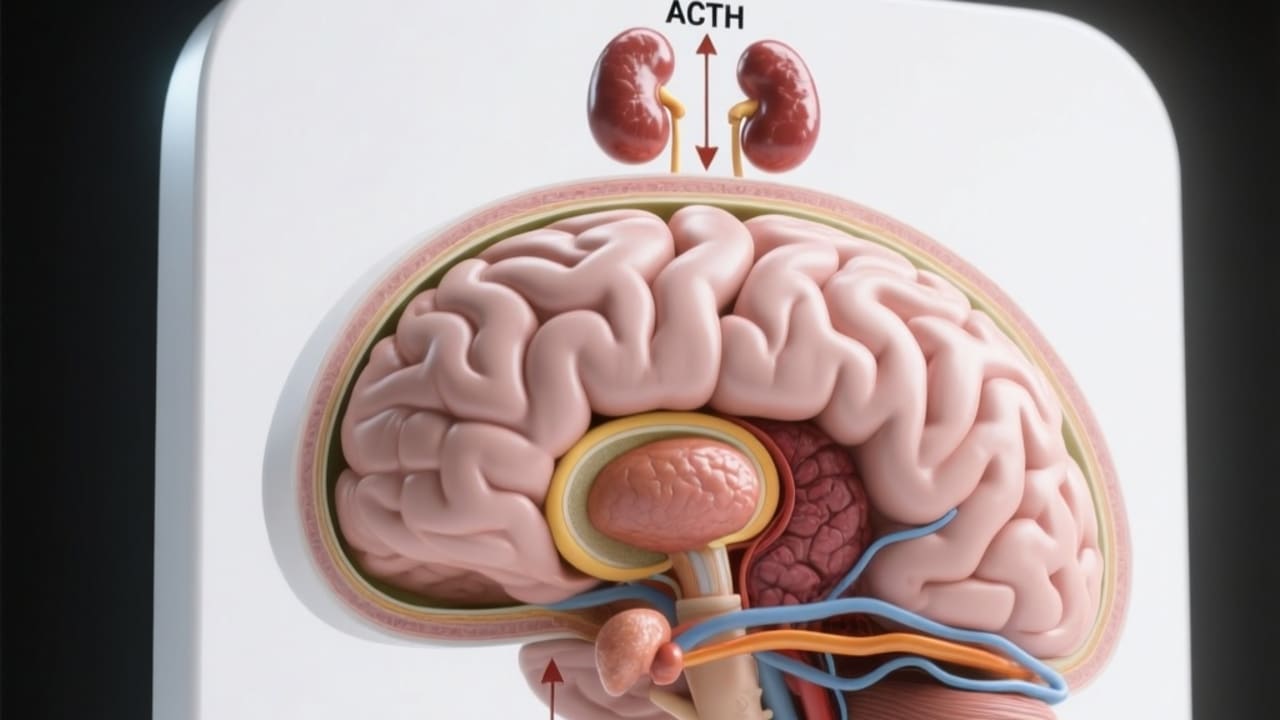
Picture this: you wake, feel flat for hours, then finally get energy at 8pm. That flip often tracks with a flipped cortisol curve. Cortisol is supposed to rise sharply 30–45 minutes after waking (the cortisol awakening response), then gradually fall through the afternoon and evening so sleep can take over.
A 2010 review in the International Journal of Psychophysiology described this morning rise as a healthy “get going” signal—linked to alertness, focus, and stable mood throughout the day (Clow et al., 2010). When that rise shows up late—or sticks around at night—you get groggy mornings and restless nights.
That’s why people with high evening cortisol often say, “I’m exhausted, but my brain won’t turn off.” The timing—not just the amount—matters.
Mood, memory, and cravings when cortisol won’t stand down
You know that feeling when a tiny inconvenience triggers a big reaction? Persistently high cortisol can tilt your brain toward threat detection and short fuses. Over time, it also tangles with memory—especially names, appointments, and where-you-put-your-keys recall.
A landmark 1998 paper in Nature Neuroscience found that higher cortisol exposure in older adults was associated with smaller hippocampal volume and worse memory performance (Lupien et al., 1998). That doesn’t mean stress “kills brain cells” overnight, but it suggests why long stretches of feeling on-edge come with brain fog and misplacing your train of thought.
And cravings? Cortisol nudges us toward quick energy—salty, crunchy, and sugary. That’s a smart survival trick in short bursts, but across weeks, it can make belly weight and afternoon crashes hang around.
Sleep, blood pressure, and the 2am connection
If you’re waking between 1–3am, you’re not imagining the pattern. Some people with insomnia show elevated evening or nighttime cortisol—alerting the brain when it should be powering down. A 2001 study in the Journal of Clinical Endocrinology & Metabolism found higher nighttime cortisol in chronic insomniacs compared with good sleepers (Vgontzas et al., 2001).
Cortisol also talks to your cardiovascular system. Chronic excess raises blood pressure and can change how your body handles blood sugar and fat distribution. An Endocrine Reviews article summarized the cardiovascular strain of cortisol excess—including hypertension and higher cardiometabolic risk (Whitworth et al., 2005). That “my smartwatch says I’m stressed even sitting still” moment? It fits.
Add in the “wired but tired” state—restless sleep, tense shoulders, jaw clenching—and your mornings become a recovery mission instead of a reset.

When high cortisol signals something bigger
Most high-cortisol symptoms come from lifestyle stress piling up. Rarely, very high levels come from conditions like Cushing syndrome (often with purple stretch marks, easy bruising, muscle weakness, and significant blood pressure changes). If you suspect that, testing and a specialist matter.
The Endocrine Society’s 2015 clinical guideline outlines how clinicians screen and confirm Cushing syndrome using late-night salivary cortisol, 24-hour urinary-free cortisol, or an overnight dexamethasone suppression test (Nieman et al., 2015). If your symptoms are severe or rapidly worsening, talk with an endocrinologist.
Why this matters
Because cortisol isn’t the enemy—it’s the tempo. Get the rhythm right and your mornings feel brighter, your patience stretches longer, and your cravings quiet down. Miss the rhythm and every little thing feels uphill.
“You can’t white-knuckle your way out of a biology problem. Change the inputs, and your cortisol often follows.”
This is about practical tweaks, not perfection. Tiny, repeatable habits shift hormones more reliably than heroic one-offs.
What you can do today
- Get morning light within 60 minutes of waking. Natural light may anchor your cortisol peak earlier and support nighttime melatonin. Even 5–10 minutes outdoors helps.
- Move earlier; keep late nights gentle. Strength or zone-2 cardio earlier in the day may support cortisol rhythm. After 7pm, consider walking, stretching, or yoga—late-night HIIT can keep you wired.
- Set a caffeine curfew. Many people sleep better cutting caffeine after ~12–2pm. If you’re sensitive, try earlier.
- Practice longer exhales. 5 minutes of slow breathing (about 6 breaths/minute) or “4–7–8” style may calm the stress response before bed or during a 2am wakeup.
- Build steady meals. Protein + fiber at breakfast and lunch may blunt crashes and cravings that push cortisol up. Evening alcohol can fragment sleep—0–1 drink may help.
If symptoms persist—especially high blood pressure, rapid weight changes, pronounced mood swings, or menstrual irregularities—discuss testing with your clinician. They can decide if simple lifestyle support is enough or if you need targeted evaluation.
You don’t have to overhaul your life to feel different in a week. Start with one lever—morning light or a caffeine cutoff—and notice what shifts. Then share this with the friend who says, “My brain won’t turn off at 2am.” You might just give them their mornings back.
Frequently Asked Questions
A clinician may use late-night salivary cortisol, a 24-hour urinary-free cortisol test, or an overnight dexamethasone suppression test. Home tests exist, but it’s best to discuss timing and interpretation with your doctor to avoid false alarms.
Some small studies suggest adaptogens, L-theanine, or magnesium may help stress perception, but results are mixed. If you’re pregnant, on medication, or have thyroid or autoimmune conditions, talk with your clinician before trying anything.
Endocrinologists don’t recognize “adrenal fatigue,” but the symptoms people describe—fatigue, brain fog, poor sleep—are real and may relate to stress and sleep patterns. If you feel unwell, ask your doctor about a thorough evaluation for recognized conditions.