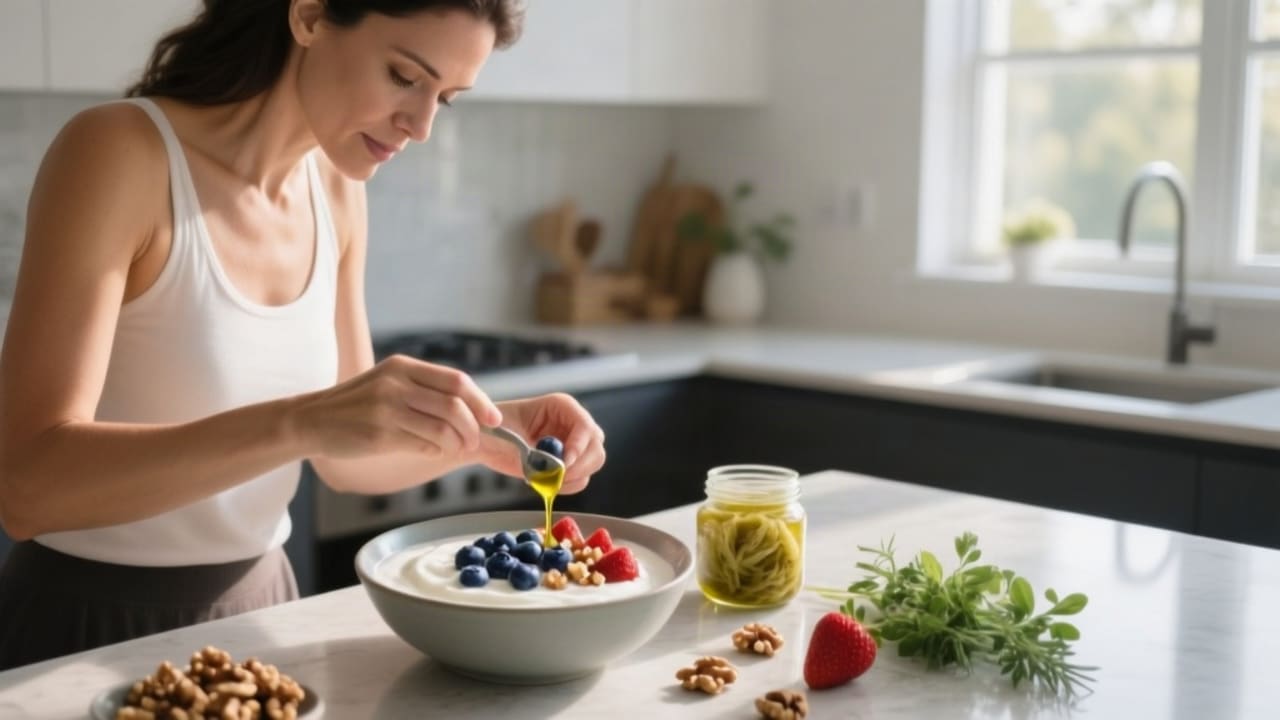
Most people blame gluten or a single “bad” ingredient when their knees ache or skin flares. Here’s the thing: the bigger spark is usually a steady drip of ultra‑processed snacks, sweetened drinks, and refined flours that keep your immune system on low boil.
Picture this: you race through the store, toss in protein bars, “healthy” chips, and a yogurt that’s more dessert than dairy. By 3 p.m., you’re wired, then foggy. Swap that cart, and your energy, mood, and aches may shift within weeks—without going hungry or giving up joy.
This grocery list and 15‑minute plate formula cut through noise. We’ll focus on foods with the strongest data for calming chronic inflammation—think extra‑virgin olive oil, berries, beans, and omega‑3 fish—plus a few underrated heroes.
- Base most meals on whole plants (vegetables, legumes, whole grains) and add healthy fats.
- Two servings of fatty fish per week may help lower inflammatory markers.
- Extra‑virgin olive oil’s polyphenols are linked to lower CRP and IL‑6 in small trials.
- Counterintuitive: dark chocolate (70%+) in small amounts can be anti‑inflammatory.
- Ultra‑processed foods can alter gut bacteria and switch on inflammatory genes, according to 2025 research in Nutrients summarized by Harvard Health.
Inflammation, in Real Life—And Why Food Moves the Needle
Inflammation isn’t just sore joints. It’s afternoon crashes, puffy mornings, and workouts that never feel easier. Chronic, low‑grade inflammation is tied to heart disease, type 2 diabetes, and cognitive decline—so the everyday stuff matters.
A 2025 report in Nutrients, highlighted by Harvard Health, notes that ultra‑processed foods may disrupt gut bacteria, damage the gut lining, and flip on inflammatory genes. That tracks with what most of us feel: a week of takeout and packaged snacks, and your body lets you know.
On the flip side, fiber from beans, lentils, veggies, nuts, and whole grains feeds gut microbes that make butyrate—an anti‑inflammatory short‑chain fatty acid. Think of fiber as the “soil” your good bacteria need to grow calm, not chaos. Legumes alone pack roughly 12–16 grams of fiber per cooked cup, which many of us are missing.
Build Your Anti-Inflammatory Cart: The Four Pillars
1) Produce That Works Overtime
Berries, leafy greens, crucifers (broccoli, cauliflower, cabbage), tomatoes, onions, and colorful peppers bring antioxidants and polyphenols that help quiet inflammatory pathways. Cooking tomatoes boosts bioavailable lycopene dramatically—so marinara night is not a guilty pleasure.
A 2021 review in Advances in Nutrition linked higher fruit and vegetable intake with lower C‑reactive protein (CRP). Practical move: buy a big bag of frozen berries and a clamshell of leafy greens each week. They go with breakfast bowls, salads, smoothies—no waste, no excuses.
2) Fats That Calm, Not Fan
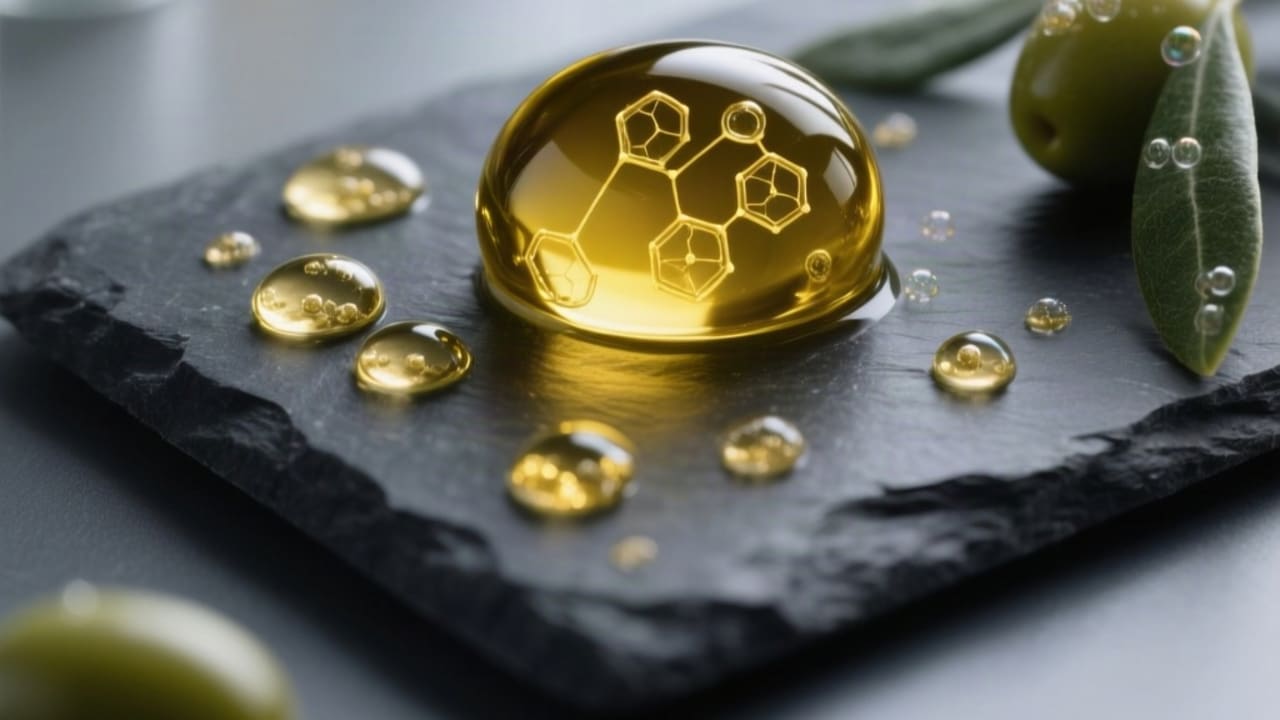
Extra‑virgin olive oil (EVOO) is the MVP. Its polyphenols may downregulate inflammatory signals; small human trials associate EVOO‑rich patterns (like the Mediterranean diet) with lower CRP and IL‑6. Nuts and seeds—especially walnuts, almonds, flax, chia, and hemp—add more anti‑inflammatory fats and minerals.
Most people have been there—grabbing a “light” spray oil. Skip it. A real spoonful of EVOO on veggies or soup delivers flavor and polyphenols that the spray can’t. Aim for a couple tablespoons per day if that fits your health plan.
3) Proteins With Benefits
Fatty fish—salmon, mackerel, sardines—bring omega‑3s (EPA and DHA) that may reduce inflammatory markers. A 2021 meta‑analysis associated omega‑3 intake with modest reductions in CRP and IL‑6. Not into fish? Consider algae‑based omega‑3s and lean into legumes; beans and lentils deliver fiber and plant protein that support gut‑calming butyrate.
Also helpful: fermented dairy like plain yogurt (if tolerated) for probiotics; tofu or tempeh for versatile, low‑inflammation protein. Keep processed and cured meats occasional—Harvard Health flags them among inflammation‑promoting foods.
4) Smart Carbs, Steady Energy
Choose intact whole grains like oats, quinoa, farro, and brown rice. These digest slower and feed good microbes. Refined flours—white breads, pastries, many cereals—spike blood sugar and are linked with pro‑inflammatory states in observational research.
Relatable swap: your usual white‑bagel breakfast becomes overnight oats with chia, cinnamon, and berries. Same morning comfort, steadier energy, less inflammatory noise.
Underrated Add‑Ons With Real Data
Green tea brings catechins (especially EGCG) linked to lower inflammatory signaling; some trials suggest meaningful drops in CRP with regular intake. Spices like turmeric (with a pinch of black pepper) and ginger may help modulate pathways like NF‑κB. And yes—dark chocolate at 70%+ cocoa provides flavanols that can support vascular function and may nudge inflammatory markers down when enjoyed in small amounts.
A 2020 review in Nutrients reported that polyphenol‑rich foods—tea, cocoa, berries—are consistently associated with lower oxidative stress and inflammation across cohorts. Translation: a square of dark chocolate after dinner isn’t “cheating.”

Your 15‑Minute Plate Formula (3 Plug‑and‑Play Meals)
Use this simple template: fill half your plate with vegetables, a quarter with protein, a quarter with smart carbs, then finish with a spoon of EVOO or a handful of nuts/seeds. It’s flexible, fast, and friendly to real life.
- Pan Sardines + Tomato‑Olive Toss: Warm canned sardines in EVOO; toss cherry tomatoes, olives, arugula, and lemon. Serve with whole‑grain toast. 12 minutes, big omega‑3s.
- 5‑Minute Bean Bowl: Microwave brown rice; top with warm black beans, shredded cabbage, avocado, salsa, and a drizzle of olive oil. Fiber for your gut, steady energy.
- Greens & Grain Skillet: Sauté garlic and kale in EVOO; fold in quinoa, chickpeas, and a spoon of pesto. Finish with toasted walnuts and a squeeze of lemon.
Small trials on Mediterranean‑style meals rich in EVOO show improved inflammatory profiles over weeks to months. Perfect isn’t required—the pattern is what pays off.
What to Limit—Without Obsessing
Harvard Health flags ultra‑processed foods, refined grains, processed meats, deep‑fried foods, and excess saturated fat as inflammation‑promoting. A simple rule: fewer ingredients, less added sugar, and food that looks like food. You don’t need to quit anything forever—but turning down the daily dose matters.
Most people have been there—late night, hungry, drive‑thru. If that happens once in a while, you’re human. Balance the week with extra plants, healthy fats, and an omega‑3 hit, and your body may trend back toward calm.
Why This Matters
Food choices show up in your Monday morning: clearer head, steadier mood, better workouts, and skin that’s less reactive. That’s the real win—not a perfect label or a 30‑day challenge, but making “anti‑inflammatory” your default most of the time.
Consistency beats perfection—the anti‑inflammatory effect comes from what you do most days, not what you do once.
What You Can Do Today
- Build a two‑minute cart list: berries, leafy greens, crucifers, beans/lentils, oats/quinoa, sardines or salmon, EVOO, walnuts/almonds, yogurt (plain), dark chocolate 70%+.
- Adopt the 50/25/25 plate once per day this week—then scale up.
- Swap one refined grain for an intact whole grain (white rice → quinoa; white bread → true whole‑grain toast).
- Add a daily “green + bean” habit: a handful of greens and a half‑cup of beans at any meal.
- If you don’t eat fish, discuss an algae‑based omega‑3 with your clinician; some people find it helpful for hitting EPA/DHA targets.
You don’t need exotic powders or perfect willpower. A smarter cart and a simple plate can calm the background noise of inflammation—and make your food taste better, too. If this helped, pass it to the friend who’s forever “starting over” on Monday.
Frequently Asked Questions
Try one 15‑minute plate per day: half veggies, a quarter protein (beans, tofu, fish, or chicken), a quarter whole grains, plus a spoon of extra‑virgin olive oil. Keep the rest of your routine the same and see how you feel.
Not necessarily. Many people tolerate coffee (in moderation) and a little low‑fat dairy just fine. Focus first on cutting ultra‑processed snacks and refined flours; then adjust based on how your body responds and any guidance from your clinician.
Food tends to deliver broader benefits than single‑nutrient pills. Omega‑3s from fish or algae and a basic vitamin D can be worth discussing with your doctor, but building meals around plants, beans, whole grains, and EVOO usually moves the needle most.