
Picture this: you crush a mid-morning muffin, feel amazing for 20 minutes, then your brain goes fuzzy right before the meeting. You reach for more coffee, but the words still won’t land. It’s not just you being “off”—your blood sugar likely whipped high, then dipped, and your neurons felt it.
Most people blame willpower when the real cause is the glucose rollercoaster. Spikes and crashes don’t just mess with energy; they can slow processing speed, scramble concentration, and—over time—stress brain tissue that handles memory. The kicker: this can happen even if you don’t have diabetes.
- Big glucose swings may cloud focus within minutes, not hours.
- Counterintuitive: your brain may help signal insulin timing—not just the pancreas calling the shots.
- A protein + fiber breakfast often steadies thinking better than coffee alone.
- Pair carbs with protein/fat and walk 10 minutes after meals to blunt spikes.
- If you use glucose-lowering meds or have diabetes, discuss changes with your care team.
What a Sugar Spike Does to Your Brain—In Real Time
Here’s the thing: the brain runs almost entirely on glucose, but it likes a slow drip, not a firehose. When levels surge after a refined-carb hit, neurons scramble to keep balance. Think of it like your Wi‑Fi suddenly jumping from full bars to none—connections sputter.
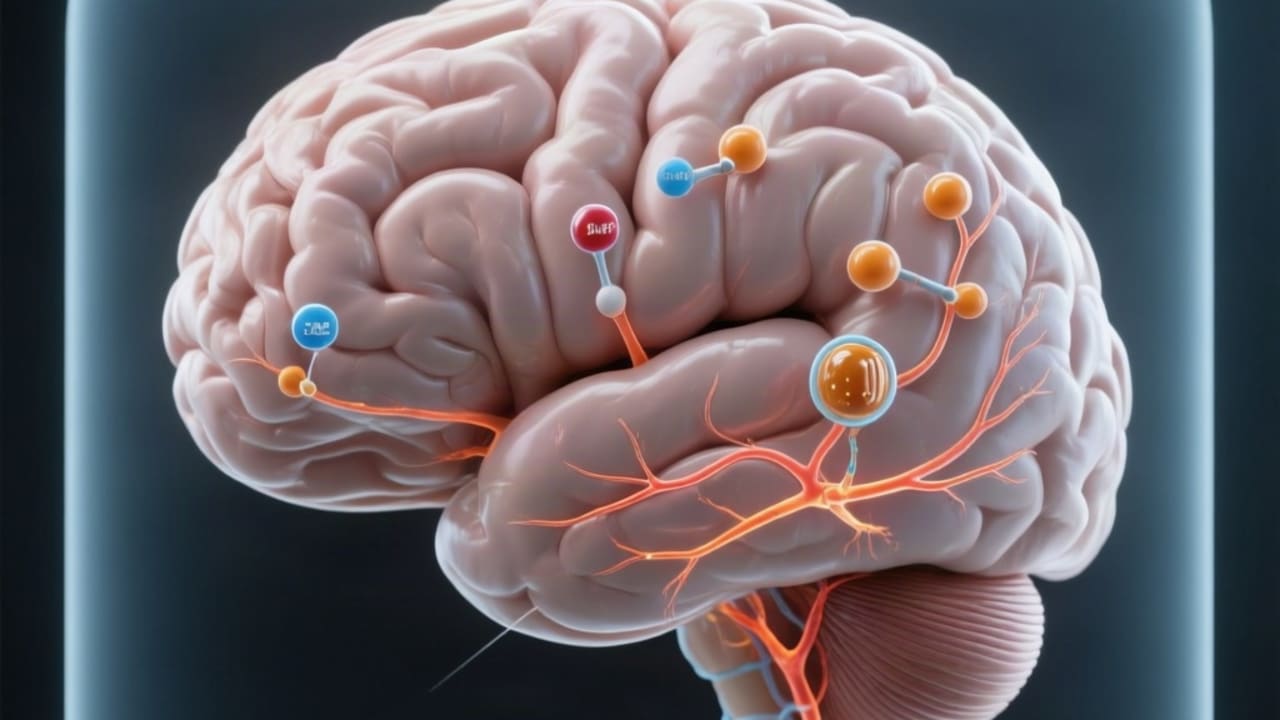
There’s also a two-way street between brain and blood sugar. A 2021 report from NYU Langone highlighted research in rats showing that clusters of hippocampal “sharp wave ripples”—signals tied to memory—were followed within minutes by drops in blood sugar, suggesting the brain may help coordinate when hormones like insulin are released. While that’s animal data, it hints your memory center isn’t just a passenger—it's part of glucose traffic control (NYU Langone Health, 2021).
What does that mean for your Monday? When glucose swings are frequent, the signaling loop can feel chaotic—your brain tries to keep pace and your focus pays the price.
Why Spikes and Crashes Crush Focus, Mood, and Memory
Most people have been there—10 a.m. pastry, 12 p.m. brain fog, 2 p.m. irritability. Early on, a spike can feel like a high—dopamine and stress hormones tick up—but the crash leaves the brain short on fuel. Over time, the rollercoaster can be more damaging than a steady, even if slightly high, line.
A 2024 study highlighted by Washington State University found that large swings in blood glucose in people with type 1 diabetes were linked to slower information processing—especially when levels were very high or very low (WSU News, 2024). That’s real-world cognition, not just lab theory.
Mechanistically, a review in the medical literature summarized that rapid glycemic swings can raise inflammatory markers like interleukin‑6 and C‑reactive protein more than sustained high glucose, amplifying oxidative stress and blood-vessel strain in the brain. That combination may contribute to transient brain fog now and, with repetition, structural wear in high-demand regions (NIH PubMed Central review on glucose extremes in type 1 diabetes). In fact, a 2013 paper cited in that review linked significant hyperglycemia in children with type 1 diabetes to reduced gray matter volume in areas tied to cognition.
And it’s not just long-term risk. Clinic reports describe how chronic high sugar intake can disrupt neurotransmitter balance, impairing concentration and memory over time—a pattern many adults notice as “why can’t I think straight after lunch?” (Lone Star Neurology overview).
The Everyday Habits That Quietly Create the Glucose Rollercoaster
You know that feeling when a “healthy” granola bar turns into a second snack an hour later? Fast carbs alone (breakfast pastries, sweetened coffee, fruit-only smoothies) hit quick and fade faster. Without protein, fat, or fiber to slow absorption, your brain gets a spike, then a sag.
Because stress hormones raise glucose, hectic mornings—plus a refined-carb breakfast—can stack the deck. Add sitting all day, and your muscles aren’t helping clear glucose efficiently. It’s a perfect storm for mid-day brain fog.
On the flip side, pairing carbs with protein and fiber, moving briefly after meals, and spacing caffeine away from sugar can soften the curve. That aligns with the emerging focus on glycemic variability—those swings between highs and lows—which the NIH-backed review suggests may matter as much as your average level for brain outcomes.

Why This Matters
This isn’t about perfection or never enjoying dessert. It’s about protecting the hours you actually need your brain—mornings with the kids, that 1 p.m. presentation, the 4 p.m. creative sprint. If steadier glucose buys you sharper attention and calmer mood, that’s a high-ROI health move.
“When you steady your blood sugar, you don’t just avoid a crash—you reclaim hours of clear thinking you thought you’d lost.”
But what does that actually mean for your plate and your day? Small, repeatable tweaks beat big, unsustainable overhauls.
What You Can Do Today
- Build a savory, protein-forward breakfast: eggs or tofu + veggies + whole-grain toast or oats. This may steady morning focus better than sweet pastries or fruit-only smoothies.
- Pair your carbs: add nuts, yogurt, eggs, beans, or olive oil when you have bread, rice, pasta, or fruit. Mixing protein/fat/fiber with carbs can help slow glucose absorption.
- Take a 10-minute walk after meals. Light movement may help muscles use glucose, smoothing the spike without needing a workout window.
- Front-load whole foods, back-load sweets. If you’re having dessert, try it after a balanced meal rather than on an empty stomach—many people find fewer crashes.
- Track patterns, not perfection. If you notice frequent brain fog after certain meals, adjust portions or add protein/fiber. If you use glucose-lowering meds or have diabetes, discuss changes with your clinician first.
You don’t need a restrictive diet to protect your brain. A steadier plate and a short walk can pay off within days. If this helped, share it with the co-worker who always says, “My brain just died after lunch”—they’ll thank you the next time they sail through 3 p.m.
Frequently Asked Questions
They may. Research links rapid glucose highs and lows to slower processing and concentration dips, especially right after meals. If symptoms persist, consider discussing testing or nutrition changes with a clinician.
Not necessarily. Many people do well by pairing carbs with protein/fat, choosing higher-fiber options, and walking after meals. The goal is steadier glucose, not zero carbs.
Some changes, like more activity or eating patterns, can affect glucose. It’s wise to loop in your care team to personalize targets and avoid lows.