
Most people blame stress or sugar crashes when energy dips and joints feel puffy. Here’s the thing—low-grade inflammation often hums in the background, and what’s on your plate can nudge it up or down within days.
Roughly 70% of your immune system sits along your gut. Every meal is a message. Feed the microbes that calm the fire, and your body tends to respond in kind—more ease in digestion, steadier mood, even better workout recovery.
You don’t need a rigid cleanse. A handful of smart staples, used often, can do real work. Below: the short list worth making room for this week.
- Build your base with plants: aim for ~25–35g fiber/day from fruits, veggies, beans, and whole grains.
- Fish twice weekly: 2 servings of salmon, sardines, or trout for marine omega‑3s; algae oil can be a plant-based backup.
- Add one fermented food daily: yogurt, kefir, kimchi, or sauerkraut may support a calmer immune response.
- Olive oil isn’t just “cooking fat”: 1–2 tbsp extra‑virgin olive oil can deliver polyphenols linked to less inflammation.
- Counterintuitive: cooked-and-cooled rice or potatoes form resistant starch that may feed beneficial gut bacteria.
Your Gut Talks to Your Immune System at Every Meal
Picture this: your gut is the office lobby where messages pass between visitors (food), tenants (microbes), and security (immune cells). When the right visitors check in—fiber, healthy fats, polyphenols—security stays calm. Wrong crowd? Alarms start chirping.
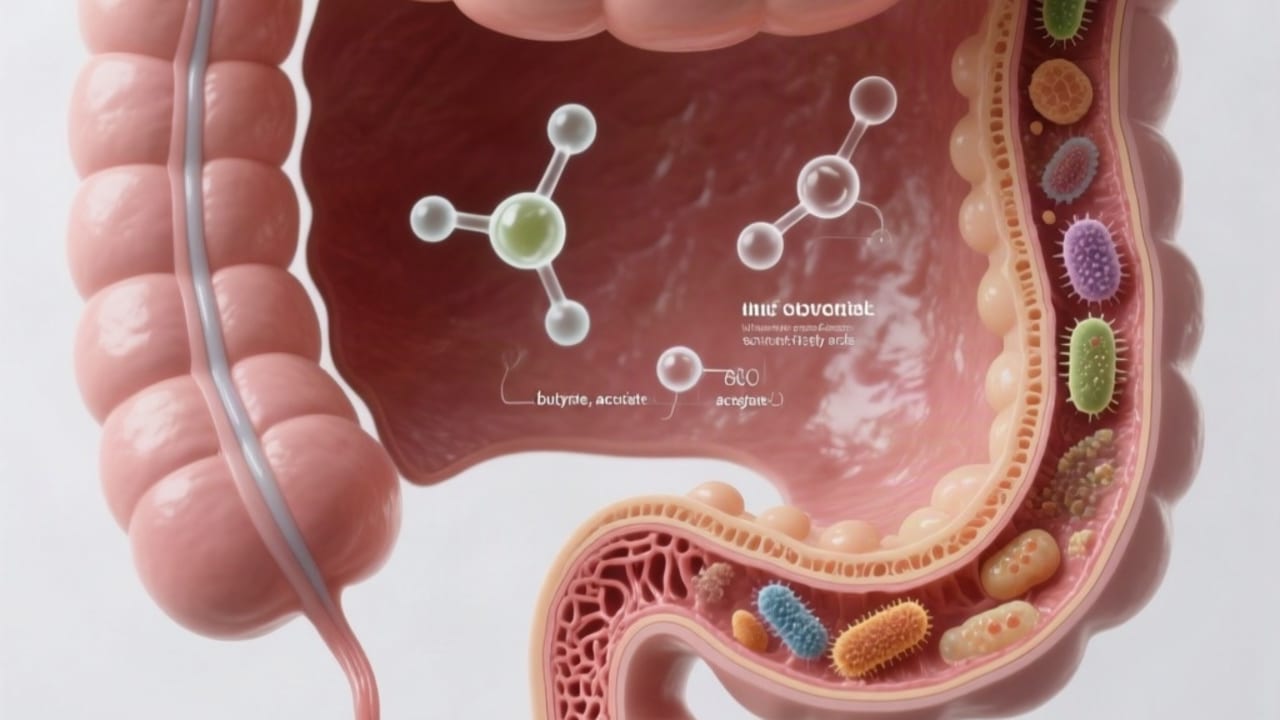
Short-chain fatty acids (SCFAs) from fermentable fiber help regulate immune signals and keep the gut lining strong. Polyphenols from plants can act like tiny bodyguards, quelling oxidative stress and nudging microbes in a friendlier direction.
A 2025 conference paper in BIO Web of Conferences reported that fiber-driven SCFA production may support cardiometabolic health and mood via the gut–brain axis, while polyphenols can help modulate immune activity and microbial balance. It’s one more reason to build meals around whole, colorful plants.
The Short List: 7 Foods That Pull Double Duty
These picks show up again and again in research and clinical practice because they do two things at once: calm inflammatory signals and support a healthier gut ecosystem. Use them like daily tools, not occasional treats.
1) Berries (blueberries, strawberries, blackberries)
Deep color = anthocyanins. Those polyphenols may help tamp down inflammatory pathways and feed beneficial microbes. Toss a cup into oats or yogurt; frozen works just as well as fresh.
2) Fatty fish (salmon, sardines, trout)
EPA and DHA—the marine omega‑3s—support the body’s own “resolution” of inflammation. Try a tin of sardines over greens with lemony olive oil, or roast salmon with broccoli and quinoa. Plant-based? Consider algae-derived DHA/EPA supplements after talking with your clinician.
3) Fermented foods (yogurt, kefir, kimchi, sauerkraut)
Live-culture foods can bring helpful microbes to the table. A 2021 Stanford trial published in Cell found that a fermented foods diet increased microbiome diversity and reduced several inflammation markers over 10 weeks. Start with 1 small serving daily and see how you feel.
4) Lentils and beans
Fiber, prebiotics, and minerals—lentils, chickpeas, and black beans are slow-burn fuel for your microbes. Think lentil soup, chickpea bowls, or black beans with brown rice and avocado. If beans bloat you, start small and increase gradually or try well-rinsed canned options.
5) Walnuts (and other nuts)
Walnuts bring ALA (a plant omega‑3), fiber, and polyphenols. A 2018 randomized trial in The Journal of Nutrition reported that walnut intake increased bacteria linked with butyrate production—good news for gut lining support. Sprinkle on yogurt or salads.
6) Broccoli sprouts (and brassicas)
Broccoli sprouts are tiny but mighty, rich in sulforaphane—a compound that may influence antioxidant and anti‑inflammatory pathways. Not into sprouts? Regular broccoli, kale, and cabbage still deliver glucosinolates. Lightly steam or sauté to keep them tasty.
7) Extra‑virgin olive oil
EVOO contains oleocanthal (it gives that peppery throat tickle) and other polyphenols linked with lower inflammatory markers in Mediterranean-style eating patterns. The PREDIMED trial associated a Mediterranean diet rich in EVOO with better cardiometabolic outcomes; sub-analyses have noted shifts in inflammatory profiles. Use as your default dressing and finish cooked dishes with a glossy spoonful.
Build an Anti-Inflammatory Plate Without a Spreadsheet
Think of your plate like a calm, balanced playlist: heavy on plants, supported by quality protein and smart fats. Half non-starchy vegetables; a quarter fiber-rich starch; a quarter protein; finish with 1–2 tablespoons EVOO or a handful of nuts/seeds.
Breakfast? Overnight oats with ground flax and blueberries, or a yogurt parfait with granola and strawberries. Lunch? Big salad loaded with crunchy veggies, chickpeas, and a lemon‑EVOO drizzle. Dinner? Roasted salmon, quinoa, and garlicky broccoli—bonus points for a side of kimchi.
Why this pattern? Mediterranean-style eating—rich in plants, EVOO, nuts, legumes, and fish—has repeatedly been associated with lower inflammation markers and better heart outcomes, including in the landmark PREDIMED trial (NEJM). It’s not about perfection; it’s about what you repeat most days.

Why This Matters
Because this touches every corner of your week. The snack you grab at 3 p.m. may shape how your gut microbes behave at 8 p.m.—which can influence sleep quality, next‑day cravings, even how sore you feel after a workout. Small inputs, compounding effects.
Food is the quietest lever on inflammation—and you get to pull it three times a day.
And here’s the real kicker: you don’t have to overhaul everything. A cup of berries, a tin of sardines, a spoonful of sauerkraut, walnuts in your afternoon yogurt—stack those little moves and give them two to four weeks. Notice your personal signals: digestion, energy, skin, and mood.
What You Can Do Today
- Add, don’t only subtract: Build one meal today around plants + protein + EVOO. Research suggests pattern changes matter more than one‑off “detoxes.”
- Make fiber easy: Keep a frozen berry mix and pre‑washed greens on hand; a daily smoothie or salad may help you reach 25–35g fiber.
- Try one fermented food: A few forkfuls of kimchi or a cup of kefir daily may support a calmer gut‑immune conversation (start small if you’re sensitive).
- Hit your omega‑3s: Plan two fish dinners this week, or discuss algae‑based EPA/DHA with your clinician if you don’t eat fish.
- Swap your oil: Use extra‑virgin olive oil for dressings and finishing; save highly refined oils for rare occasions.
You don’t need perfection to feel progress. Pick two of these moves, make them daily habits, and watch how your gut—and the rest of you—responds. If you have a medical condition or food sensitivities, check in with a qualified clinician for personalized guidance.
Frequently Asked Questions
Many people do well with one small serving daily—like a cup of yogurt or a few forkfuls of kimchi. If you’re sensitive to FODMAPs, start with tiny amounts and increase slowly, or discuss with a dietitian.
Algae-based EPA/DHA supplements may be a plant-friendly option to discuss with your clinician. Walnuts, chia, and flax provide ALA, which the body converts to EPA/DHA in small amounts.
For most people, tomatoes and peppers fit well in anti-inflammatory patterns. Some individuals with specific conditions may notice sensitivity—if so, track symptoms and tailor with a healthcare professional.