
You know that 3 p.m. meeting where your brain turns to static and every email reads like a riddle? Most people blame willpower or another coffee. But the real culprit is often a blood sugar rollercoaster your brain didn’t sign up for.
Here’s the thing: your brain runs on glucose. It loves steady deliveries, not surge-and-crash chaos. Those spikes and dips don’t just make you sleepy—they can scramble focus, dial up anxiety, and nudge your motivation off a cliff.
The surprising part is how tight the connection is. Signals from your memory center can influence blood sugar within minutes, and moment-to-moment glucose swings track with moment-to-moment dips in mental performance. Let’s make this practical—without quitting carbs or living on salad.
- Steady glucose = steadier focus. Big spikes and crashes can sap attention and mood within minutes.
- A short 10-minute walk after meals may blunt post-meal glucose spikes—especially helpful after dinner.
- Protein + fiber at breakfast often reduces mid-morning crashes more than coffee does.
- Eat in this order when you can: veggies/protein first, starch last—it may help flatten the curve.
- Counterintuitive: Fruit is usually fine—whole fruit’s fiber slows sugar absorption compared with juice.
Your Brain Loves Glucose—But Hates Rollercoasters
Picture this: you polish off a muffin, feel amazing for 20 minutes, then crash so hard the screen blurs. That whiplash isn’t just “low energy.” It’s a rapid rise and fall in blood sugar changing how your brain cells fire.
Intriguingly, brain signals can also nudge blood sugar the other way. A Nature paper led by NYU Langone researchers found that bursts of activity in the hippocampus—the memory hub—were followed within minutes by dips in blood sugar in rats, suggesting the brain can help fine-tune metabolism via hormone release from organs like the pancreas and liver. Translation: cognition and glucose aren’t just linked—they’re in conversation.
Why steadiness matters
Your brain is like a high-performance electric car: it needs a stable power line. Big spikes feel thrilling, but the crash that follows forces your brain into “fuel-saver mode,” making it harder to concentrate, remember details, or regulate emotions.
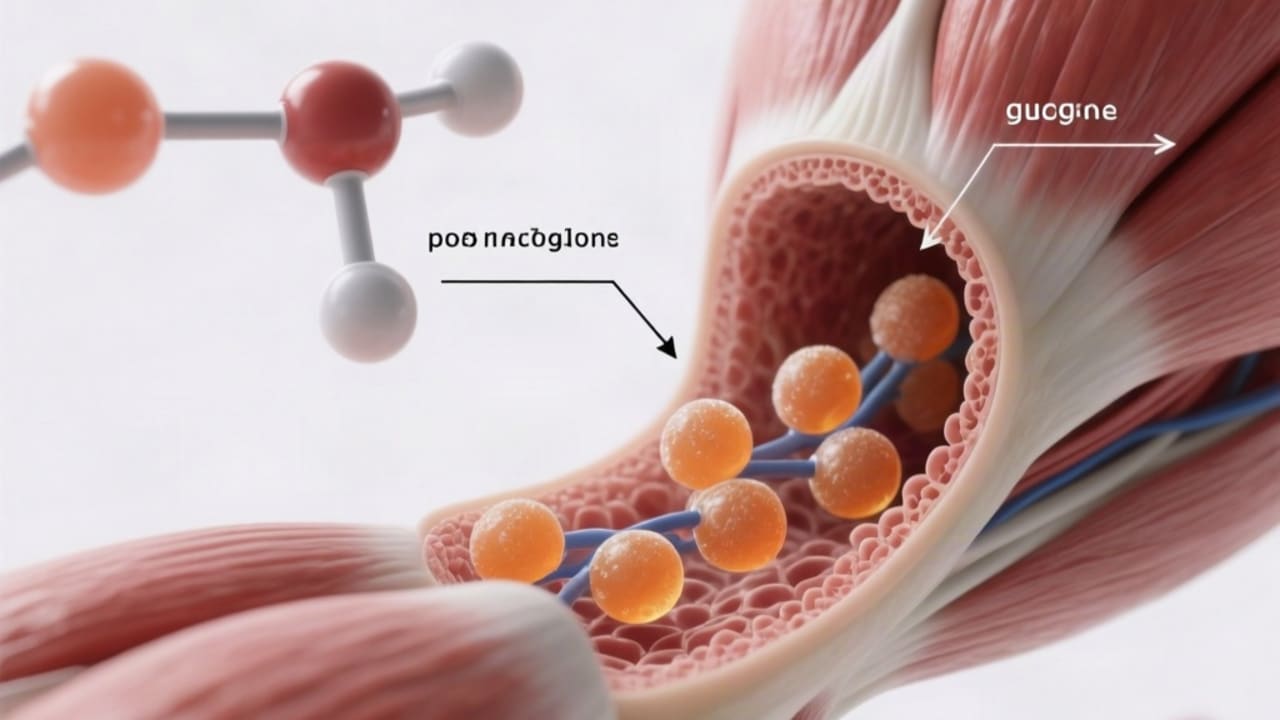
Spikes, Crashes, and That “Why Can’t I Focus?” Feeling
Most people have been there—refreshing the same paragraph three times because your attention keeps slipping. Rapid glucose swings can feel like mood swings for your brain: edgy when high, foggy when low.
Real-time data backs this up. In NPJ Digital Medicine, researchers tracked people with type 1 diabetes using continuous glucose monitors and brief cognitive tests. Fluctuations in glucose levels mapped to short-term changes in processing speed and attention, suggesting that when glucose drifts above or below your usual range, certain thinking skills wobble too.
Neurochemistry, in plain English
Clinicians also see that repeated spikes can agitate the brain’s chemical messengers, including serotonin and dopamine, which help regulate mood, motivation, and reward. It’s not “all in your head”—your chemistry really can feel choppy when your glucose graph looks like a skyline.
The Long Game: Variability, Inflammation, and Memory Risk
Short-term fog is annoying. The long-term stakes are bigger. Chronic high blood sugar and insulin resistance are consistently linked with higher risk of cognitive decline. The Lancet Commission on dementia prevention lists diabetes as a key modifiable risk factor—meaning what’s good for your glucose tends to be good for your brain over decades.
Emerging work also suggests that frequent spikes and dips—glycemic variability—may stoke inflammation and oxidative stress, pathways tied to brain aging. Think of it like static on a radio: the more noise in your metabolic signal, the harder it is for clean memory and mood signals to come through.
Who feels it most?
People who sleep poorly, feel stressed, or often skip meals may notice bigger swings. Hormonal shifts (like the late luteal phase), certain medications, and heavy caffeine on an empty stomach can also amplify peaks and valleys. If you live in that zone, small stabilizers pay outsized dividends.

Food and Movement Patterns That Flatten the Curve
Good news: you don’t need a perfect diet to steady your brain’s fuel line. Small levers, big impact.
1) Front-load protein and fiber
Protein slows gastric emptying; fiber literally nets glucose in your gut. A Greek yogurt + berries + nuts breakfast or eggs + avocado + greens often lands smoother than a pastry. Controlled feeding studies have also shown that high–glycemic index meals trigger more hunger and reward-center activity on brain scans hours later—another nudge toward steadier carbs.
2) Eat in an order that favors steadiness
When possible, eat veggies and protein first, then starch. Many small trials report lower post-meal glucose using this “sequence” strategy—it’s simple, doesn’t cut any food group, and works in restaurants too (salad + protein before pasta).
3) Move for 10 minutes after you eat
A brief walk after meals recruits muscles to take up glucose, often flattening the spike. Randomized crossover research in Diabetes Care found that short, 10-minute post-meal walks helped lower after-meal glucose in people with type 2 diabetes—especially after dinner.
4) Choose “slow carbs,” not no carbs
Swap fast sugars (juice, refined snacks) for intact carbs (beans, lentils, whole fruit, root veg). Whole fruit’s fiber slows absorption—very different from juice, which acts more like a sugar shot.
5) Pair carbs with fat or protein
Crackers? Add hummus. Rice? Add salmon and sesame oil. The pairing may reduce the speed of glucose entry into your bloodstream—and help you stay satisfied longer.
Why This Matters
Because this isn’t about “good” or “bad” foods—it’s about how you feel at 10 a.m., 3 p.m., and 9 p.m. It’s about staying calm in a tough conversation and actually remembering what you read. When your glucose curve flattens, life’s edges often soften too.
“Steadier blood sugar won’t make life easy—but it makes it easier to think clearly, choose well, and feel like yourself.”
And you don’t need perfection. A protein-forward breakfast, a veggie-first dinner, and a 10-minute walk after the meals that hit hardest can be enough to change your day.
What You Can Do Today
- Build a steadier breakfast: aim for 20–30g protein plus fiber (e.g., eggs + sautéed greens + berries). This may reduce mid-morning crashes.
- Try the meal sequence: veggies/protein first, starch last. Research suggests this order can blunt post-meal glucose.
- Walk it off: a 10-minute stroll within 30 minutes after meals may help flatten spikes—especially after dinner.
- Smart swaps: choose intact carbs (beans, lentils, oats, whole fruit) over refined ones; pair carbs with protein/fat to slow absorption.
- Check your context: short sleep, heavy stress, or caffeine on an empty stomach can amplify spikes—adjust gently and see what helps.
If you have diabetes, are pregnant, or take glucose-lowering medications, talk with your clinician before making changes. Some people explore continuous glucose monitors to learn patterns; that’s best done with professional guidance to avoid overreacting to normal fluctuations.
Small shifts, big clarity. If this helped, send it to the friend who calls it “brain fog”—their hippocampus will thank you.
Frequently Asked Questions
Not necessarily. Research suggests steadier glucose—not zero sugar—is the goal. Emphasize protein/fiber, choose “slow carbs,” and use short post-meal walks; these may reduce spikes without cutting entire food groups.
Whole fruits generally raise glucose more slowly than juice because fiber slows absorption. Pair fruit with protein or fat (like yogurt or nuts) if you’re sensitive to spikes.
Some people find short-term CGM use educational, but it can also create anxiety. If you try it, do so with a clinician’s input and focus on patterns, not single numbers.