
Most people blame stress, coffee, or “getting older” when the real culprit is more basic: your cells are running short on key vitamins and minerals. Fatigue, brain fog, brittle nails—those aren’t personality traits. They’re signals.
Here’s what’s surprising: you can eat enough calories and still miss essentials like iron, vitamin D, or B12. That’s “hidden hunger”—common even in well-fed countries. And it quietly drags down energy, focus, mood, workouts, and immunity.
If you’ve tried sleeping more and cutting caffeine but still feel off, it’s time to look at micronutrients—smartly, not by guessing.
- Tired but wired? Low iron or B12 can feel like burnout—ask for ferritin, CBC, and B12 (with MMA) before supplementing.
- Indoor life = low D. Check 25(OH)D if you rarely see sun, have darker skin, or wear sunscreen daily.
- Plant-based? Fortified foods or a B12 supplement are often needed—even with great diets.
- Counterintuitive: Cravings rarely “mean” one missing vitamin; sleep and stress are bigger drivers.
- Food-first works. Pair beans with vitamin C, use a cast-iron pan, and add tinned fish, eggs, greens, and seeds.
The quiet red flags most people miss
Picture this: you climb a single flight of stairs and feel oddly breathless. Or your 3 pm brain fog hits like a wall. These can be subtle nutrient flags—easy to shrug off, but worth noticing.
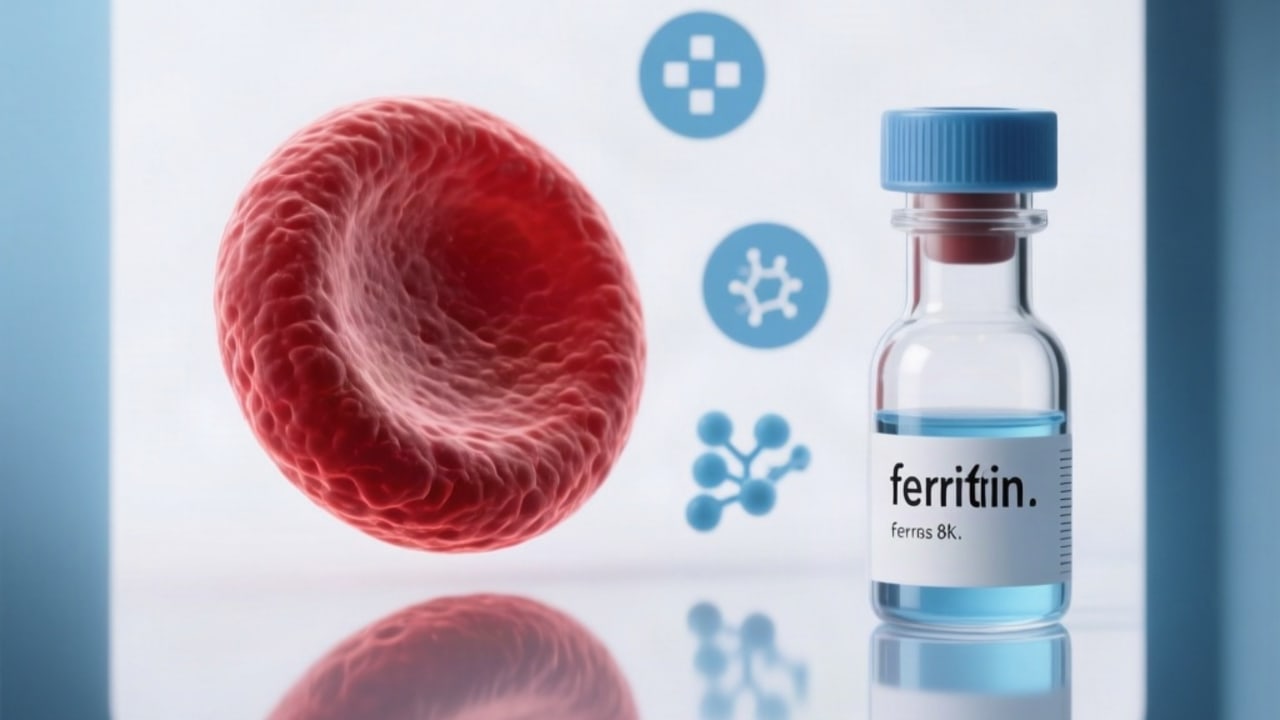
Persistent fatigue + breathlessness: Often linked to low iron stores (ferritin)—even before anemia shows up. A 2023 analysis in JAMA reported substantial iron deficiency among US girls and women of reproductive age, much of it without overt anemia, which still impacts energy and exercise tolerance.
Brain fog, tingling, or a swollen, smooth tongue: These can track with low B12, especially if you’re vegan, take metformin, or use long-term acid-reducing meds. The NIH Office of Dietary Supplements notes neurologic signs can precede abnormal blood counts, so a normal CBC doesn’t rule it out.
Frequent colds or achy bones: Vitamin D supports bone health and immunity. A 2017 BMJ meta-analysis found vitamin D supplements modestly reduced acute respiratory infections, especially in deficient people—pointing to why low D can feel like you’re always “catching something.”
Restless legs or poor sleep quality: Low iron is a known contributor to restless legs syndrome. A 2019 review in Sleep Medicine Reviews highlighted iron’s role in dopamine pathways that affect leg sensations and sleep.
Mouth ulcers or cracks at the lip corners: Angular cheilitis and recurrent mouth sores can be linked to iron, folate, or B vitamin shortfalls, according to reviews in clinical nutrition and dermatology journals. Not diagnostic—but a nudge to check status.
Caveat: None of these symptoms “prove” a deficiency. They’re patterns that, together with lifestyle and diet, may justify lab work.
Why modern eating patterns miss micronutrients
You know that feeling when lunch is a protein bar and cold brew? Energy, yes. Micronutrients, not so much. Ultra-processed foods are calorie-dense but often vitamin-mineral light. A 2022 paper in Nutrients linked higher ultra-processed intake with lower overall micronutrient density in US adults—even after accounting for calories.
Then there’s vitamin D. We spend more hours indoors, cover up for good reasons, and many live at latitudes where winter sun can’t make vitamin D. CDC/NHANES data show insufficiency remains common in certain groups, including people with darker skin tones and limited sun exposure.
And for B12, fortification helps, but absorption is tricky: it relies on stomach acid and intrinsic factor. The NIH notes long-term use of metformin or acid-suppressing meds can raise B12 deficiency risk even if intake seems fine.
Bottom line: It’s not just what you eat; it’s what you absorb, your meds, your sun, and your food pattern across the week.
Stop guessing: smarter testing and safe supplementation
Supplements can help—but only when they match your biology. Testing first saves time, money, and side effects.
Labs to ask about: ferritin (iron stores) with CBC; serum B12 with methylmalonic acid (MMA) and/or homocysteine if B12 is borderline; 25-hydroxyvitamin D [25(OH)D] for vitamin D status. For recurring mouth sores or fatigue, folate and iron studies may be useful. The Endocrine Society’s guidance suggests measuring 25(OH)D in at‑risk groups rather than testing everyone.
Dosing, carefully: Vitamin D is fat-soluble; more isn’t better. Many adults maintain levels with 1,000–2,000 IU/day, but individual needs vary—discuss with your clinician. The tolerable upper intake level for adults is 4,000 IU/day unless supervised. Iron supplements can upset the gut and should be guided by labs. B12 is generally safe at common supplement doses, especially for vegans or those with absorption issues.
A 2019 review in Nutrients emphasized better non-heme iron absorption when taken with vitamin C and away from calcium or tea/coffee. Small tweaks can shift levels meaningfully without mega-doses.

Food-first fixes that actually move the needle
Most people have been there—staring at the fridge at 9 pm, trying to “be healthy” without a plan. Here’s a simple, nutrient-forward rhythm that supports iron, D, and B vitamins.
Iron: build meals that absorb
Combine iron with boosters: black beans + bell peppers and lime; turkey or grass-fed beef with arugula and strawberries; tofu with broccoli and sesame. Cooking acidic foods (like tomato sauce) in cast iron can transfer small amounts of iron into food. Research in clinical nutrition journals shows vitamin C enhances non-heme iron absorption; tea, coffee, and calcium taken with iron reduce it.
B12: fortify or supplement, especially plant-based
B12 lives mostly in animal foods. If you’re vegetarian or vegan, plan on fortified nutritional yeast, plant milks, breakfast cereals—or a B12 supplement. Older adults and those on metformin or acid-reducing meds may also need B12 support, per NIH guidance.
Vitamin D: a “food + lifestyle” strategy
Fatty fish (salmon, sardines), egg yolks, and fortified dairy/plant milks help, but sunlight is still the main producer. In many climates—or with darker skin tones—diet alone may not be enough; testing helps tailor an appropriate supplement plan. A 2017 BMJ meta-analysis found those most deficient benefit most from supplementation.
Why this matters
Think about Monday morning: the commute, the meeting where you need your brain sharp, the evening workout you promised yourself you’d keep. When micronutrients run low, every one of those moments feels heavier than it has to. Not because you’re “not trying hard enough,” but because red blood cells, enzymes, and neurons don’t have the raw materials to perform.
“Energy isn’t just motivation—it’s metabolism. Give your cells what they need, and effort finally pays off.”
What you can do today
- Book labs worth discussing with your clinician: ferritin + CBC, B12 with MMA, and 25(OH)D—especially if you’re fatigued, plant-based, pregnant, or have darker skin and low sun.
- Upgrade one meal: add a heme or plant iron source plus vitamin C (e.g., lentil salad with citrus, or sardines on whole-grain toast with tomato).
- Strategize supplements: vitamin D may help if you’re low; iron only if labs indicate; B12 is often useful for vegans/vegetarians—confirm doses with a professional.
- Time it right: take iron away from coffee/tea and calcium; pair with vitamin C. Keep a simple routine (e.g., D with your fattiest meal).
- Audit ultra-processed intake: swap one bar/shake per day for real food—eggs, yogurt, beans, leafy greens, tinned fish, nuts, seeds.
You don’t need a perfect diet—just a few consistent moves and, when needed, targeted support. If this helped, share it with the friend who’s “always tired.” That might be the nudge they need.
Frequently Asked Questions
Yes. Iron deficiency can show up as low ferritin before anemia changes a CBC, and borderline B12 may need MMA/homocysteine to confirm. If symptoms persist, discuss more specific tests with your clinician.
Most vegans benefit from regular B12 via fortified foods or a supplement because reliable plant sources are limited. Bloodwork can help tailor dose and frequency.
It varies. Some people notice energy changes within weeks (iron, B12), while vitamin D and ferritin may take months to normalize. Recheck labs with your clinician to track progress.