
You’ve tried working smarter, batching tasks, even another productivity app. But your brain still feels like a browser with 37 tabs open — and one is playing music you can’t find.
Here’s what nobody tells you about burnout: it isn’t about weakness or poor time management. It’s a mismatch — too much demand, not enough recovery — repeated until your body hits the brakes.
The good news? Your stress system is trainable. A few targeted shifts can help you feel more like yourself again without quitting your life or taking a month off.
- Burnout is a signal, not a flaw — it often reflects a recovery deficit.
- Short, frequent “micro-recoveries” (60–120 seconds) may calm stress faster than long, rare breaks.
- Movement, better sleep, boundaries, and CBT-style reframing are evidence-based ways to prevent burnout.
- Joy isn’t frivolous — positive moments can build resilience and reduce stress load.
- If symptoms persist or worsen, consider talking with a clinician or counselor.
Burnout isn’t just in your head — it’s a stress-recovery mismatch
Burnout shows up as emotional exhaustion, feeling detached, and a drop in sense of accomplishment. A 2025 editorial in Scientific Reports spotlighted these core features and noted how optimism, humor, and resilience may protect against burnout — while chronic, systemic pressures fan the flames.
The World Health Organization recognized burnout in the ICD-11 as an occupational phenomenon in 2019. Translation: you’re not “broken”; your environment and workload matter. Picture this: you keep your phone on low-power mode all day, taking calls, streaming music, running maps — but never plug it in. Eventually, it doesn’t matter how efficient the apps are; the battery gives out.
That’s the burnout loop: demand outpaces recovery. Naming that pattern helps you stop blaming willpower and start rebuilding capacity.
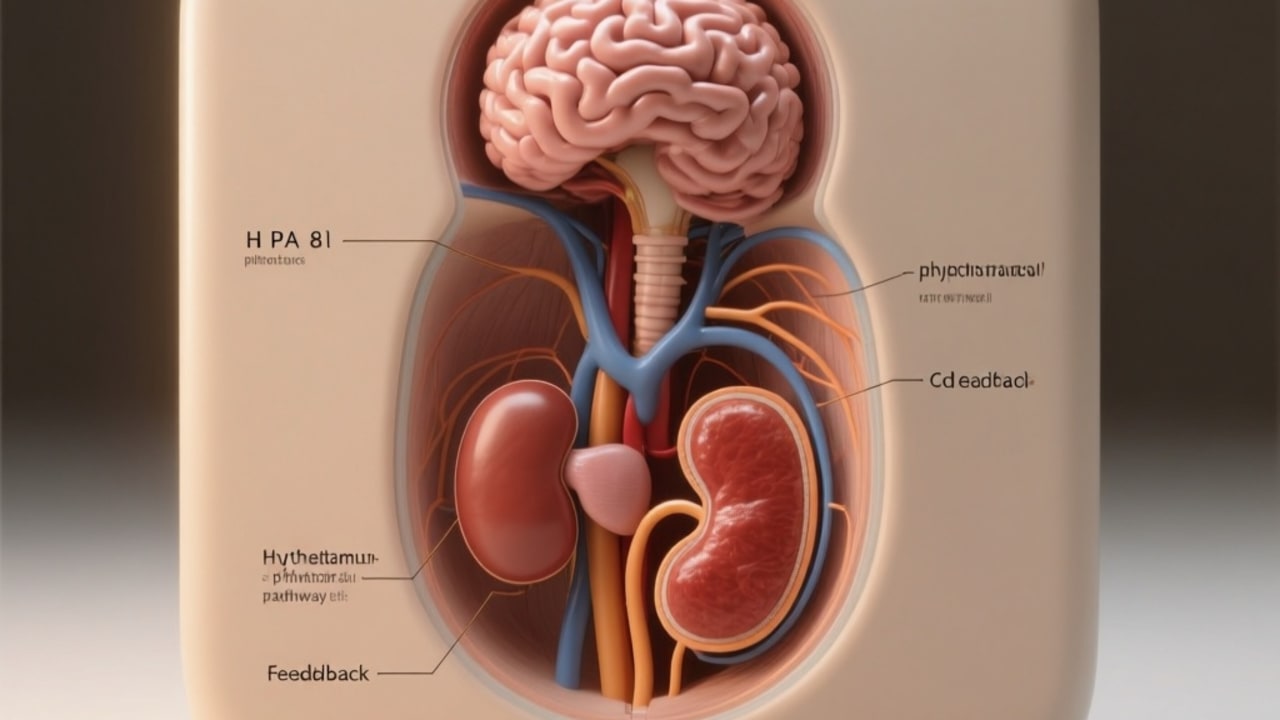
Your stress system is trainable — without working harder
Think of your nervous system like a thermostat; it learns your “set point.” Frequent, small cool-downs teach it not to overheat. A review of burnout in mental health services reported that structured interventions — including cognitive behavioral strategies, skills training, and organizational changes — can improve burnout, though studies were limited and more rigorous trials are needed (2011 review in a peer‑reviewed journal).
What does that mean for you? Boundary-setting, CBT-style reframing, and micro-recovery breaks won’t fix a toxic workload on their own, but they may reduce daily overload while you work on systemic changes. Most people have been there — you say “yes” to one more task and end up borrowing energy from tomorrow. The shift is learning to spend energy where it matters and replenish it on purpose.
And remember: stress management isn’t a single habit; it’s a set of levers. When one lever (workload) won’t budge, you can still move others (sleep, movement, support, mindset).
Habits that actually move the needle this week
1) Move your body most days — even for 10 minutes
You don’t need a perfect workout plan to get mental health benefits. A 2018 meta-analysis in the American Journal of Psychiatry reported that physical activity was associated with a lower risk of developing depression across age groups. Different outcome than “stress,” yes — but it speaks to your brain’s responsiveness to regular movement.
Try this: schedule a 10-minute “reset walk” after your most stressful meeting. No phone. Look far away, swing your arms, breathe through your nose. It’s tiny — and it trains your nervous system to come back down.
2) Treat sleep like a standing meeting with yourself
Sleep is where your brain clears metabolic byproducts, consolidates memory, and recalibrates emotion. A 2019 paper in Nature Human Behaviour found that a full night of sleep significantly reduced next-day anxiety by restoring prefrontal regulation of emotion.
Picture this: it’s 2 a.m., you’re wide awake, doing mental math on the week ahead. Counterintuitive move — get out of bed for 10–15 minutes and do something low-light and boring (like folding towels) until sleepy returns. It may break the worry–insomnia spiral.
3) Use CBT-style reframing to unstick thought loops
When your brain says “I’ll never catch up,” try reframing: “This week is overloaded; what’s the one thing that moves tomorrow?” It’s not toxic positivity — it’s accurate thinking under stress. CBT techniques (thought labeling, evidence checks, and tiny exposure steps) are commonly used in clinical settings and may reduce stress reactivity for many people.
One-minute drill: write the worry, then write two realistic next moves. Action shrinks overwhelm.
4) Boundaries that protect recovery time
“No” is a wellness tool. Try a work window that ends 30 minutes before bed or email batching twice daily. It’s like putting bumpers on a bowling lane — your time rolls straighter. Organizational factors matter too; the U.S. Surgeon General’s 2022 framework emphasized workload, autonomy, and community as pillars of workplace mental health.
5) Micro-recoveries: 60–120 seconds, many times a day
Between tasks, try a slow exhale for 60 seconds (inhale 4, exhale 6–8), a quick stretch, or a gaze reset by looking at the horizon. These tiny breaks can signal safety to your nervous system and keep stress from compounding.
6) Joy on purpose (yes, really)
Positive emotion isn’t fluff; it can widen your attention and refill mental energy. The broaden-and-build theory, first described in psychological research in the early 2000s, suggests that moments of joy and gratitude can build lasting resources for resilience. Two minutes to text a friend a genuine “this made me think of you” counts.
7) Ask for help early
If you notice persistent exhaustion, cynicism, or you’ve lost your sense of accomplishment, consider talking with a mental health professional. Coaching or therapy may help you sort workload issues from thought patterns and create a plan that sticks. If you’re in crisis, seek immediate support from local emergency services or crisis lines in your area.

Why this matters
Because Monday mornings shouldn’t feel like climbing a hill in wet cement. The point isn’t squeezing more out of yourself; it’s spending your energy where it counts — then getting it back.
Burnout is often the body’s way of saying, “I need safer rhythms.” Listen early, and you can steer before the wheels wobble.
When you bank small wins — a 10-minute walk, lights out on time, one boundary upheld — your nervous system learns a new normal. That spillover touches everything: patience with your kids, clearer thinking at work, and the ease that comes from not arguing with yourself all day.
What you can do today
- Pick one lever: a 10-minute walk after your hardest meeting may help steady your mood.
- Protect sleep with a wind-down alarm 45 minutes before bed; lower lights and screens.
- Try a micro-recovery: 10 slow breaths (exhale longer than inhale) between tasks.
- Set a boundary: limit after-hours email to a 15-minute window, three nights this week.
- Start a two-line journal: “What drained me?” and “What helped?” Patterns guide better choices.
If you’re unsure where to start or symptoms escalate, it’s worth discussing options — including CBT-based strategies, workplace adjustments, and medical evaluation — with a qualified clinician.
You don’t need a reinvention. You need a recharge plan that fits your real life. Share this with someone who’s running on fumes — and pick one tiny shift to start today.
Frequently Asked Questions
Burnout tends to include three patterns: persistent exhaustion, feeling detached or cynical, and a reduced sense of accomplishment. If these keep showing up for weeks and don’t lift with rest, consider talking with a clinician to rule out other causes and plan next steps.
Gentle movement may help regulate mood and stress, even when energy feels low. Start very small — 5–10 minutes most days — and choose low-friction options like a walk or light mobility work. If fatigue is severe or new, check with your doctor first.
A consistent “no-screens last 45 minutes before bed” boundary often pays off fast by improving sleep quality. Better sleep can make other stress tools more effective the next day.