
Picture this: it’s 3:17 p.m., you’re refreshing your inbox, and your patience vanishes over a harmless Slack ping. Ten minutes later you’re foggy, snacky, and strangely emotional. Willpower didn’t just walk off the job — your blood sugar likely did.
Most people blame a “lack of focus” when the real culprit is a glucose rollercoaster. Your brain burns a surprising amount of glucose for fuel. When levels swing high, then crash, thinking slows, moods wobble, and small stressors feel bigger than they are.
Here’s the thing: steady beats spiky. And the fixes are less about perfection and more about tiny levers — what you eat first, when you move, how you caffeinate — that shift your day from whiplash to glide.
- Big glucose swings can slow thinking and rattle mood; steadier meals may smooth both.
- Protein + fiber at breakfast often blunts mid-morning and 3 p.m. crashes.
- 10 minutes of walking after meals may reduce post-meal spikes.
- Counterintuitive: a splash of vinegar with meals can modestly flatten a spike for some.
- Caffeine on an empty stomach can worsen jitters — pair it with food.
Your brain on a glucose rollercoaster
You know that feeling when your Wi‑Fi drops for three seconds during a video call? That’s your brain on a sharp glucose drop. Processing stalls, words evaporate, and your fuse shortens.
A 2024 paper in NPJ Digital Medicine, co-led by researchers at Washington State University and McLean Hospital, tracked people with Type 1 diabetes minute-by-minute and found that larger swings in blood glucose were tied to slower information processing — especially when glucose was well above or below a person’s usual range. The team suggested avoiding speed-dependent tasks during those out-of-range moments.
Another 2024 analysis from the same group reported that older participants and those with diabetes-related complications were more vulnerable to cognitive slowdowns during highs and lows. While this research focused on Type 1 diabetes, it offers a clear signal: the brain likes steady fuel. For everyone, repeated spikes and crashes may feel like “brain fog,” irritability, and that urgent need for something sweet.
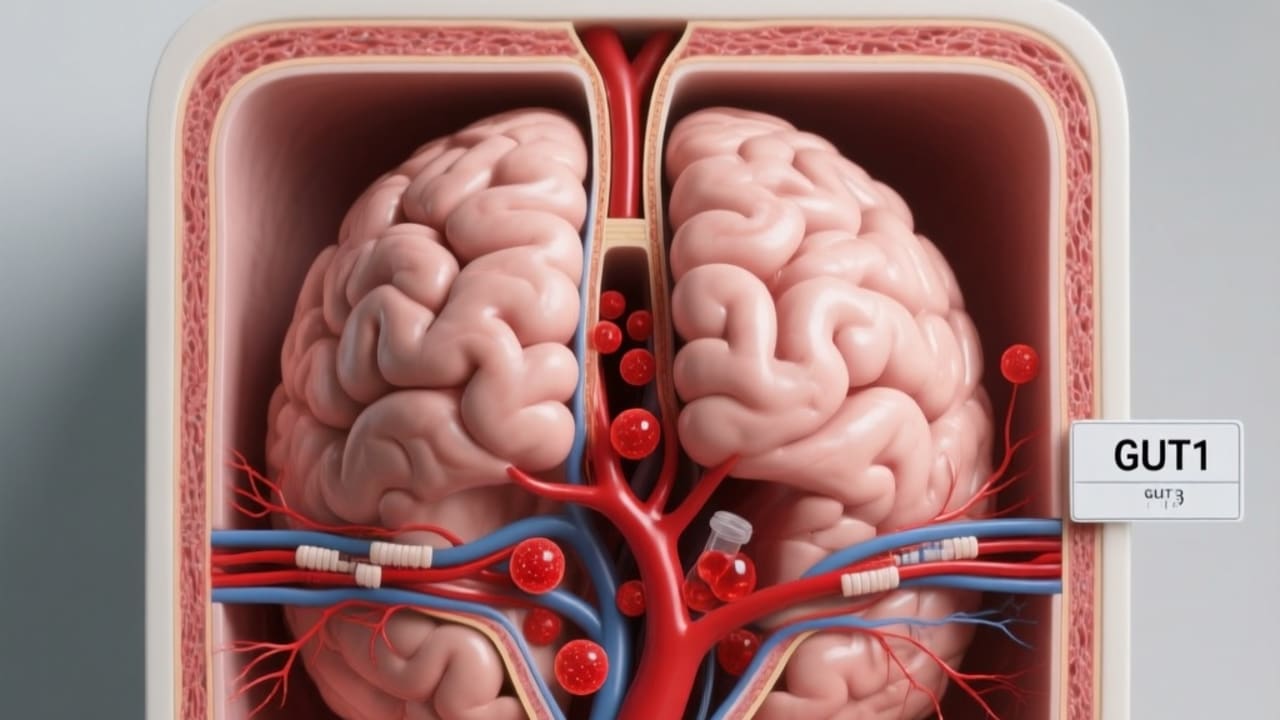
Stress and sugar: the feedback loop nobody warns you about
Ever notice that stress makes you crave quick carbs — and then the carbs make stress feel louder? That’s not just in your head. It’s a loop.
In 2025, a team at Mount Sinai mapped a brain–liver circuit linking the amygdala (your threat detector) to glucose output. Published in Nature, their work showed that short-term stress naturally triggers the liver to release glucose — useful for a sprint. But with chronic stress layered on a high-fat diet, the circuit’s “gain” can get stuck high, pushing excess glucose for too long.
Translation for your Monday morning: a hard week can prime your body to overshoot on blood sugar, even before breakfast. Pair that with a sugary coffee or pastry and your brain’s chemistry — serotonin and dopamine signaling included — has to ride the waves. That’s when a normal inbox ping feels like an alarm.
Spot the hidden spikers in your day
Most people have been there — you “eat light,” then wonder why you’re shaky and unfocused by noon. Hidden spikers often look healthy at a glance.
The breakfast trap
Oat-milk latte + banana + “healthy” granola. Delicious, yes — but mostly quick-digesting carbs. For many, that’s a mid-morning spike followed by a slump. Adding eggs, Greek yogurt, nuts, or tofu shifts the curve from mountain to hill.
The smoothie surprise
Fruit-only smoothies can behave like juice. Blend in protein (protein powder, yogurt), fiber (chia, flax), and fat (nut butter) and you’ll slow absorption.
Caffeine timing
Coffee before food can amplify jitters for some people. Try your first sips with or after breakfast to soften the edge.
Sleep and late meals
Even one short night can make your body less responsive to insulin the next day. A 2012 study in Annals of Internal Medicine found that four nights of sleep restriction reduced insulin sensitivity by roughly 16–21%. Late, heavy meals may then spike higher than usual.

Build a steadier plate for a steadier mind
Think of your meal like a playlist: lead with the mellow track so the drop hits smoother. Starting with fiber and protein can cushion the carbs that follow.
Small trials have found that eating vegetables and protein before starches can blunt post-meal glucose rises, and that adding vinegar to a meal may modestly reduce the spike for some people. If you’re curious, try a side salad with olive oil and a splash of vinegar or a veggie starter before pasta — but skip vinegar shots if you have reflux or tooth enamel concerns.
Aim for “PFF” at most meals — protein, fat, fiber. Picture a lunch of grilled chicken or chickpeas, a big pile of greens, roasted veggies, and a grain like quinoa. Dessert? Enjoy it right after the meal rather than on an empty stomach — the mixed meal may help buffer the rise.
And movement matters. A brief, 10-minute walk after eating acts like a mop for extra glucose as your muscles soak it up. It doesn’t need to be athletic — a loop around the block or up a few flights of stairs counts.
WHY THIS MATTERS
This isn’t about cutting out joy or never touching bread again. It’s about fewer mood swings during your workday, steadier energy for your workout, and a calmer response when life throws curveballs. The steadier your blood sugar, the more your brain can do its thing — think clearly, feel balanced, and pick your battles.
“When glucose stops yo-yoing, the small stuff stops feeling huge.”
If you live with diabetes or another medical condition, your targets and tools will be different — worth reviewing with your clinician. For everyone else, simple food order, meal composition, stress care, and tiny movement snacks can make a real difference you feel within days.
WHAT YOU CAN DO TODAY
- Start with protein and fiber: Eggs or tofu with greens before toast may help blunt a spike.
- Add a 10-minute “walk break” after your two largest meals; research suggests it can reduce post-meal glucose.
- Pair carbs with anchors: Fruit with nuts or yogurt; pasta with a veggie starter and olive oil.
- Time caffeine with food if jitters are an issue; notice how you feel when you switch.
- Try a splash of vinegar in dressings if tolerated; avoid if you have reflux or enamel sensitivity.
You don’t need a perfect diet to feel a steadier mind. Nudge one lever this week — a veggie starter, a short walk, protein at breakfast — and watch that 3 p.m. cliff turn into a gentle slope. If this helped, share it with the friend who’s always “hangry” by 2 o’clock.
Frequently Asked Questions
They can. Rapid rises and drops in glucose may trigger shakiness, irritability, and a “wired then tired” feeling that can mimic anxiety. If this is frequent or severe, consider discussing patterns with a clinician, especially if you have diabetes or take glucose-lowering medications.
Not usually. Whole fruit comes with fiber and water that slow absorption. Pair fruit with protein or fat (like nuts or yogurt), and favor whole fruit over juice or dried fruit to help keep rises gentler.
Try a PFF combo: Greek yogurt with chia and berries; eggs with avocado and sautéed spinach; or tofu scramble with veggies and a slice of whole-grain toast. These mixes may steady energy better than a pastry-and-coffee alone.