
Most people blame stress when their mood tanks. But here’s the thing—your gut microbes can whisper to your brain all day long, and what you ate at lunch might be turning up the volume.
Picture this: it’s 3pm, you’re wired and a little edgy after a fast-food sprint. That uneasy buzz isn’t just “low willpower.” It may be the way fats, fibers, and fermented foods (or the lack of them) change your microbes—and how those microbes message your brain through chemicals, nerves, and the immune system.
The surprise? Early research suggests some probiotics and smart food shifts may help nudge anxiety and low mood in a better direction. Not a cure, not magic—just biology you can work with.
- Fiber and polyphenols feed gut bugs that make mood-supportive metabolites.
- Fermented foods may reduce inflammatory signals that can affect mood.
- Some probiotics (“psychobiotics”) show promise for anxiety—strain matters.
- Stress, sleep, and even medications can reshape your microbiome.
- Counterintuitive: more variety beats more supplements—30 plants/week may help.
How your gut talks to your brain—without asking permission
Think of your gut and brain like two roommates with a nonstop group chat. Microbes produce neurotransmitter precursors, short-chain fatty acids, and immune signals that ping the vagus nerve and impact stress pathways. You feel that as focus, calm, or on-edge energy.
A 2026 review in Frontiers in Microbiomes mapped this two-way “microbiota–gut–brain axis,” noting how microbial metabolites and immune pathways can influence anxiety and mood through serotonin precursors, tryptophan metabolism, and neural signaling. The takeaway: your menu can change the messages your brain receives—sometimes fast, often subtly.
Most people have been there—one week of takeout and erratic sleep, and suddenly small annoyances feel huge. That pattern fits what researchers describe: food, stress, and sleep shifts can nudge microbes, which then nudge stress circuits.
Food is a mood lever: what to feed your microbes
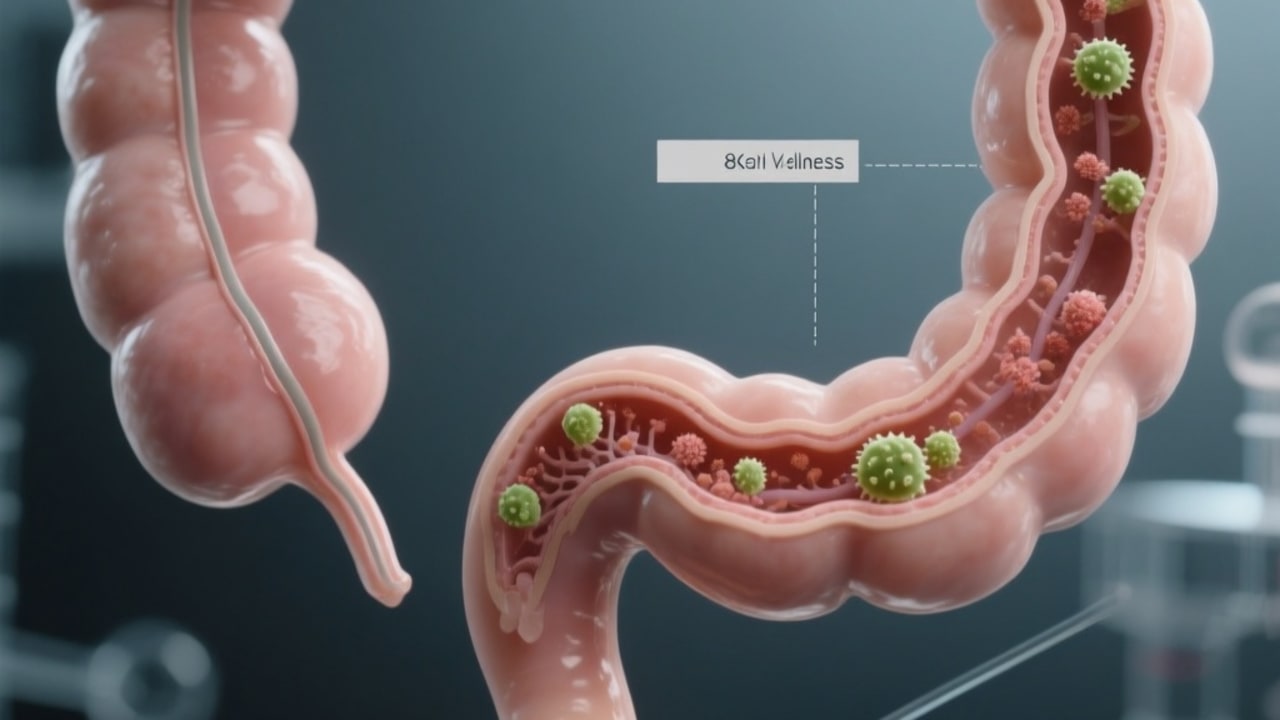
Microbes love fiber and plant colors. When they ferment fibers from beans, oats, and veggies, they make short-chain fatty acids (like butyrate) that may support the gut lining and help calm inflammatory signaling tied to mood.
A 2025 feature in Nature highlighted work from John Cryan’s team showing a gut signature in depression and intriguing animal data: when rodents received microbiota from people with depression, they developed anxiety-like behaviors and altered tryptophan metabolism. It’s not proof in humans, but it’s a strong nudge toward food-as-microbe messaging.
Fermented foods—yogurt with live cultures, kefir, kimchi, miso, sauerkraut—may also matter. A 2023 review in an open-access journal reported early clinical hints that fermented foods and varied plant-based patterns can shift microbial profiles linked to anxiety and low mood. Picture your plate as a playlist: the more diverse tracks (beans, greens, grains, herbs, berries, nuts), the better the vibe for your microbes.
Psychobiotics: the probiotic strains getting buzz
“Psychobiotics” are probiotics studied for mental well-being—think specific Lactobacillus and Bifidobacterium strains. Early human trials are small, but some people report lower perceived stress or milder anxiety with targeted strains.
A 2023 review summarized animal and preliminary human data where strains such as Lactobacillus casei and certain Bifidobacterium longum strains influenced stress responses and mood-related behaviors. And a 2024–2025 clinical overview noted that probiotics, diet shifts, and even fecal transplants are being explored for anxiety and depression, while also stressing that evidence is early and mixed.
Here’s the real kicker: strain specificity matters. “Probiotic” is like saying “dog”—Chihuahua or Great Dane? Look for labels listing genus, species, and strain (e.g., B. longum 1714). And give it time: many studies ran 4–8 weeks before measuring shifts.

Beyond food: stress, sleep, and meds change the gut too
You know that feeling when a bad night’s sleep makes everything louder? Sleep debt can tilt stress hormones and, in turn, gut signals. Breathwork, light morning movement, and a regular wind-down may support vagal tone—the nerve highway between gut and brain.
Psychiatric medications can also shift the microbiome. An overview for clinicians in 2024–2025 reported that antidepressants and antipsychotics appear to influence microbial communities, another clue that the gut–brain loop runs both ways. That said, never change medication without your prescriber; instead, consider nutrition and stress care as supportive layers.
Think of it like tending a houseplant: food is water and minerals; sleep and stress care are sunlight. Miss one, and the leaves droop—add them back, and the system perks up.
Why this matters
This isn’t about “fixing” yourself. It’s about stacking small choices so your biology works with you on a workday, a date night, or a tough Monday morning. If your stomach is in knots before a big meeting, that’s a real signal—microbes, nerves, and hormones are in the mix.
“When you feed your microbes, you change the conversation your brain hears.”
And while the science is evolving, the upside is practical: colorful plants, a spoonful of fermented foods, and steadier sleep are low-risk ways to support both gut comfort and mental clarity. If symptoms are severe or persistent, it’s worth speaking with a clinician who understands the gut–brain axis.
What you can do today
- Build a “30 plants/week” habit: count fruits, veggies, herbs, spices, whole grains, nuts, seeds, beans. Research-led projects suggest variety may support a more resilient microbiome.
- Add 1–2 fermented servings daily: live-culture yogurt or kefir, kimchi, sauerkraut, miso, tempeh. Start small if you’re bloat-prone.
- Front-load fiber at breakfast: oats or chia pudding with berries and walnuts. This may steady energy and feed beneficial microbes.
- Consider a targeted psychobiotic: strains like Bifidobacterium longum (e.g., 1714) or Lactobacillus casei have early evidence. Trial 4–8 weeks, track mood and GI comfort, and discuss with a clinician if you take medications.
- Support your vagus nerve: 5 minutes of slow exhales, humming, or a short walk after meals may help stress regulation—small signals, repeated often.
Small shifts compound. Start with what feels doable this week—maybe berries in your oats and a side of kimchi at dinner. Notice how your body and mood respond, and adjust with curiosity, not judgment. If you found this helpful, share it with a friend who’s “trying everything” except feeding their microbes.
Frequently Asked Questions
Early research points to specific strains—like some Bifidobacterium longum (e.g., 1714) and Lactobacillus casei—showing modest benefits in small trials. Results vary by person. A time-limited trial (4–8 weeks) and a chat with your clinician may help you choose safely.
Microbes can shift within days, but mood changes—if they happen—often take weeks. Many studies assess outcomes after 4–12 weeks. Track sleep, stress, digestion, and mood weekly to spot trends.
Low-FODMAP may ease IBS symptoms for some, which can indirectly help mood—but it’s a short-term, structured plan best done with a dietitian. It’s not designed as a long-term mental health diet.