
Most people blame stress when their joints ache, skin flares, or energy crashes. But here’s the thing—your daily menu may be quietly fanning the flames long before your calendar does.
Picture this: you start the week “clean,” then a few grab-and-go meals slip in. Bloat creeps back. Sleep gets choppy. Mood dips. It’s not about willpower. It’s about inflammation—and the foods that nudge it up or down.
The anti-inflammatory diet isn’t a cleanse or a new identity. It’s a pattern—more fiber, color, and healthy fats; fewer ultra-processed hits. Small shifts, big payoff for your gut and how you feel day to day.
- Build meals around plants and fiber; most adults benefit from roughly 25–38g/day.
- Prioritize whole foods: vegetables, fruits, beans, lentils, whole grains, nuts, seeds, olive oil.
- Eat fatty fish (salmon, sardines) 1–2 times weekly for omega‑3 fats that may ease inflammation.
- Cut back on ultra‑processed foods and added sugars, which can disrupt the gut barrier and immune signaling.
- Counterintuitive: coffee and tea often score “anti‑inflammatory” in research tools that rate dietary patterns.
The Gut–Inflammation Loop No One Explains
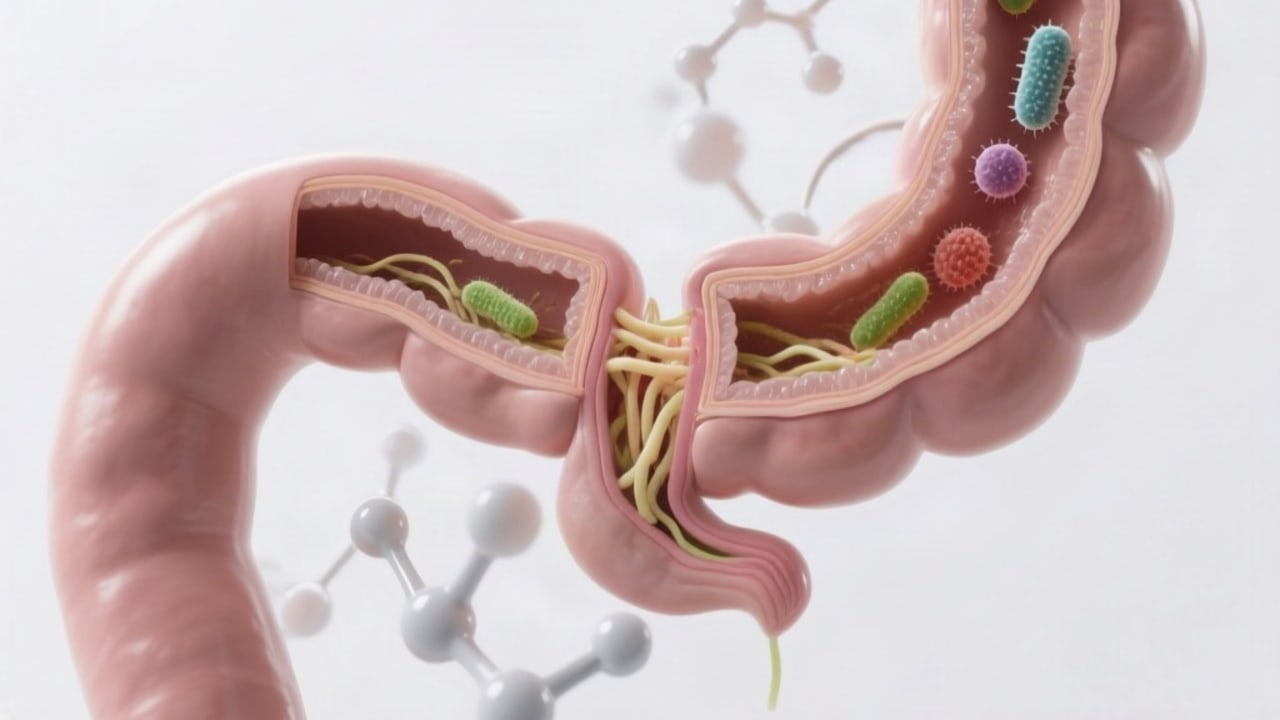
Your gut is less like a pipe and more like a neighborhood—trillions of bacteria keep the peace when you feed them well. Fiber and plant polyphenols are their favorite groceries. When they’re happy, they produce short‑chain fatty acids (like butyrate) that help strengthen your gut lining and calm immune overreactions.
Most people have been there—two days of packaged snacks and takeout, and suddenly your stomach feels “loud.” That shift isn’t just bloat; it can be a nudge toward systemic inflammation.
A 2025 report in the journal Nutrients linked higher ultra‑processed food intake with changes in gut bacteria, increased intestinal permeability, and activation of inflammatory pathways. Translation: the more refined and additive‑heavy the diet, the more trouble for your gut’s frontline defenses.
Analogy you’ll feel
Think of fiber as the lawn food for your gut neighborhood. Feed it daily and the “good neighbors” thrive, crowding out troublemakers. Skip it, and weeds spread fast.
What to Eat More Of (And Why It Works)
Plants in color. Dark leafy greens, dark‑yellow/orange vegetables (like carrots and squash), and berries deliver antioxidants that help neutralize oxidative stress and may quiet inflammatory signaling.
Fiber all day. Oats, quinoa, beans, lentils, chia, and flax feed gut microbes that make butyrate—supporting the gut barrier and a calmer immune tone.
Healthy fats. Extra‑virgin olive oil, olives, avocados, nuts, and seeds contain monounsaturated fats and polyphenols linked with lower inflammatory markers in dietary patterns like the Mediterranean diet.
Fatty fish. Salmon, sardines, trout, and mackerel supply omega‑3s (EPA/DHA) that may help balance pro‑ and anti‑inflammatory eicosanoids.
Cleveland Clinic’s 2025 overview of anti‑inflammatory eating highlights many of these same foods—fruits, vegetables, fatty fish, and whole grains—as building blocks for a calmer gut and immune response.
And here’s a neat twist: an analysis framework called the Empirical Dietary Inflammatory Pattern (EDIP) often classifies coffee, tea, leafy greens, and dark‑yellow veggies as “anti‑inflammatory” choices. At ASCO 2025, researchers reported that, among people with stage III colon cancer, more pro‑inflammatory dietary patterns (high EDIP scores) tracked with worse outcomes—an observational signal that what’s on the plate matters.
Analogy you’ll feel
Load your grocery cart like a paintbox—more colors equals more protective compounds. Beige diets rarely paint a healthy picture.
What to Eat Less Of (Without the Drama)
You don’t need to be perfect—you just need to be strategic. The usual suspects: ultra‑processed snacks and fast food, refined grains, added sugars, and processed meats. These can spike blood sugar, disturb gut microbes, and keep inflammation humming.
A 2025 feature summarizing Nutrients research noted that ultra‑processed foods may alter microbiome composition, damage the gut lining, and switch on inflammatory genes—exactly the spiral you’re trying to avoid. Alcohol can add friction, too; work cited by Kopec and colleagues in Ginekologia Polska (2025) suggests alcohol may increase aromatase activity and slow estrogen clearance, a potential issue if you’re navigating hormone‑sensitive conditions. If you drink, consider lighter weeks and alcohol‑free days.
Analogy you’ll feel
Think of ultra‑processed foods as glitter. A little shows up everywhere and is hard to clean up. Keep it out of the house, and you won’t be vacuuming it for weeks.

Make It Real: One Day on an Anti‑Inflammatory Plate
Breakfast: Overnight oats with ground flax, cinnamon, and mixed berries; or whole‑grain avocado toast; or a yogurt parfait with strawberries and a sprinkle of granola.
Lunch: Hearty bean‑and‑vegetable soup with whole‑grain crackers; or a large salad loaded with greens, colorful veg, chickpeas, olives, and a lemon‑olive‑oil dressing.
Snack: Apple with almond butter; or carrots, cucumbers, and hummus; or a small handful of walnuts.
Dinner: Salmon (or tofu) with quinoa, roasted broccoli, and a drizzle of extra‑virgin olive oil; finish with a square of dark chocolate and berries.
The Mediterranean‑style pattern behind this menu has a strong evidence base. In the PREDIMED trial (NEJM, 2013), participants assigned to a Mediterranean diet rich in olive oil or nuts saw major cardiovascular benefits, and sub‑studies reported reductions in inflammatory markers. That doesn’t make it a cure‑all, but it’s a pattern worth borrowing.
Why This Matters
This isn’t about chasing perfect. It’s about the Tuesday afternoon where you don’t crash, the jeans that feel better, the skin that calms down, and the sleep that actually restores you. Food is one lever—simple, daily, and yours to pull.
You don’t need a “new diet.” You need a consistent pattern your gut recognizes and your schedule can repeat.
And because the anti‑inflammatory pattern emphasizes foods most people already like—olive oil, herbs, coffee or tea, colorful produce—it’s easier to sustain. That’s what turns small, smart swaps into real results.
What You Can Do Today
- Make half your plate plants at most meals—greens plus one colorful veg may help increase antioxidants and fiber.
- Swap refined grains for whole grains (oats, quinoa, brown rice) and add one legume serving (beans or lentils) today to feed gut microbes.
- Cook with extra‑virgin olive oil and add a small handful of nuts or seeds for healthy fats that research suggests may reduce inflammatory markers.
- Plan two fatty‑fish dinners this week, or consider an algae‑based omega‑3 supplement if you don’t eat fish—worth discussing with a clinician.
- Set a “processed swap”: trade one packaged snack for fruit and nuts, and one sugary drink for tea or water. Small, repeatable moves add up.
If you have a medical condition or take medications (especially for blood pressure, blood sugar, or anticoagulation), check with your healthcare provider before making big dietary changes.
Start where you are—one colorful swap at a time. If this helped, share it with a friend who’s “trying to eat better” and wants a plan that actually sticks.
Frequently Asked Questions
Yes—patterns that score low on inflammation often include coffee and tea. Go easy on sugary syrups and creamers, and watch caffeine timing if sleep is an issue.
Not always. If you eat fatty fish 1–2 times weekly, you may not need a supplement. If you don’t eat fish, an algae‑based omega‑3 can be worth discussing with a clinician.
Some people notice changes in energy, digestion, or skin within 2–4 weeks of consistent changes. Inflammation is complex, so give it time and track what works for you.