
Picture this: you’re doing “everything right” — decent diet, morning coffee, plenty of water — but the 3 p.m. crash hits hard, your nails keep peeling, and your ponytail looks thinner than last year. Most people blame stress or sleep. Sometimes the real driver is quieter: you may be running low on key nutrients.
Here’s the thing — deficiencies rarely start with dramatic symptoms. They whisper. And those whispers look like everyday annoyances: brain fog, mouth sores, restless legs, brittle nails, low mood. The sooner you catch them, the easier they are to address with food, smart habits, and — when needed — targeted testing.
- Fatigue isn’t just “being busy” — iron, B12, and vitamin D shortfalls can all sap energy.
- Your skin, hair, and nails tattle — shedding, ridges, and cracking lips can flag low iron, zinc, or B vitamins.
- Coffee timing matters — tea/coffee with meals can block iron absorption; vitamin C can boost it.
- Sun doesn’t guarantee vitamin D — sunscreen, darker skin, latitude, and indoor life limit production.
- Test smarter, not more — ferritin, 25(OH)D, B12 with MMA, and TSH are the usual starting points.
Your skin, hair, and nails are early alarm bells
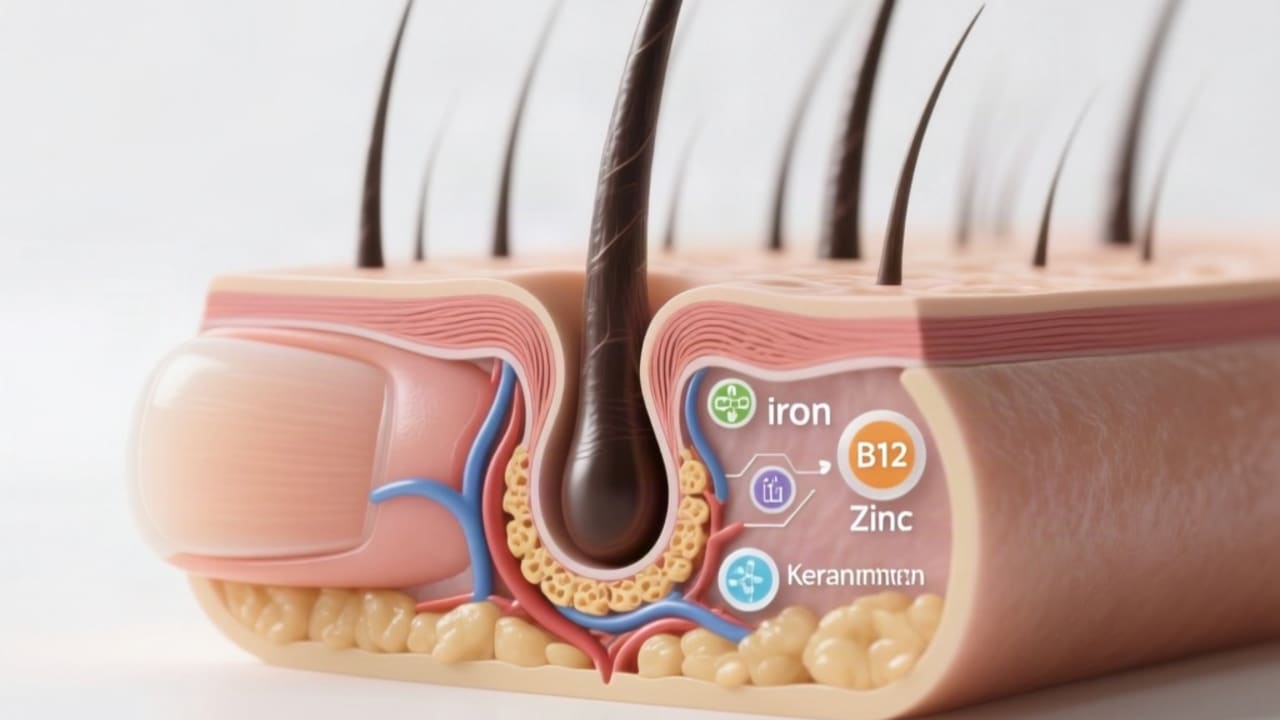
Most people have been there — you notice more hair in the drain, lips cracking at the corners, or nails that peel no matter the polish. These can be your body’s first gentle flags. Low iron stores (measured as ferritin) are linked with increased hair shedding and brittle nails; zinc shortfalls can mean poor wound healing and frequent hangnails; riboflavin (B2) and iron can both play into cracking at the corners of the mouth (angular cheilitis).
A 2019 review in Dermatology and Therapy reported associations between low ferritin and zinc status and diffuse hair shedding, while also noting that biotin deficiency is uncommon without specific medical causes. The American Academy of Dermatology similarly points to iron and zinc as common contributors to hair changes in women. Translation: before you buy another hair serum, check your plate — and possibly your labs.
What this looks like day-to-day
You know that feeling when a tiny paper cut lingers for days? Slow healing can hint at low zinc or vitamin C intake. Notice spoon-shaped or ridged nails? That can appear with iron deficiency. None of these prove a deficiency on their own — but together, they’re useful clues to discuss with a clinician.
Energy, focus, and mood: the inside-out clues
When iron, vitamin D, or B12 run low, your brain feels it fast. Iron deficiency can lead to anemia, but even before that, low ferritin may correlate with fatigue, poor exercise tolerance, and restless legs. B12 shortfalls may show up as pins-and-needles in hands or feet, a sore tongue, brain fog, or mood changes. Vitamin D insufficiency is linked with low mood, muscle aches, and bone discomfort — especially if you work indoors or live at higher latitudes.
A 2020 meta-analysis in Nutrients found small but meaningful improvements in depressive symptoms with vitamin D supplementation in some deficient adults. The NIH Office of Dietary Supplements notes classic B12 deficiency signs like fatigue, neurological symptoms, and glossitis, and highlights that vegetarians, adults over 50, and those on metformin or acid-reducing medications are at higher risk. If your “motivation tank” is always on E — despite sleep and stress management — it’s worth asking whether your nutrients are part of the story.
What this looks like day-to-day
Picture the 3 p.m. slump that laughs at your second coffee, workouts that feel heavier than they should, or “word-finding” hiccups in meetings. These don’t diagnose anything — but they’re pattern clues, especially combined with heavy periods (iron loss) or a long-term plant-based diet without B12 sources.
Thyroid and metabolism: iodine (and iron) matter more than you think
Your thyroid sets the pace for energy, temperature, and mood. Iodine is the raw material for thyroid hormone; too little can lead to an enlarged thyroid (goiter), fatigue, feeling cold, and slower thinking. The World Health Organization reports that iodine deficiency remains a public health issue in some regions, and mild shortfalls can occur when people avoid iodized salt, eat mostly processed foods (often made with non-iodized salt), or follow restrictive diets.
Here’s the surprising part: iron and iodine are teammates. Iron deficiency can impair an enzyme (thyroid peroxidase) needed to make thyroid hormone, potentially compounding symptoms. A 2017 review in Nutrients discussed how iron deficiency may worsen thyroid function in iodine-deficient settings. If you’re always chilled, losing hair, and your heart rate runs low, it’s wise to ask your clinician about a thyroid check — and whether iron status belongs in that conversation.
What this looks like day-to-day
Think slower mornings, dry skin no matter the moisturizer, and needing an extra sweater when everyone else is fine. If you rarely cook with iodized salt, avoid dairy and eggs, or don’t eat seafood, iodine may be worth a look.

Cramping, sleep, and stress resilience: the magnesium connection
Magnesium helps muscles relax, supports steady blood sugar, and plays a role in sleep quality. Some people notice more nighttime leg cramps, jaw clenching, or difficulty winding down when their intake is low — especially if ultra-processed foods crowd out greens, beans, nuts, and seeds.
A 2021 systematic review in Nutrients suggested magnesium supplementation may improve subjective sleep quality in older adults, though evidence is mixed and benefits seem clearest in those with low baseline intake. It’s not a magic fix, but if your diet skimps on magnesium-rich foods, topping up may help your nervous system exhale.
What this looks like day-to-day
You finally get in bed — and your calves twitch like they drank espresso. Or you wake at 3 a.m. and can’t settle back down. These can have many causes, but they’re a nudge to check both habits (caffeine, screens) and magnesium intake.
Why this matters
Because small shifts add up. When nutrients are borderline low, you work harder for the same results — fewer reps in the gym, shorter patience at home, slower progress at work. And the fixes are often simple: timing your coffee differently, salting with iodized salt at home, adding beans and leafy greens, or asking your doctor for a ferritin check.
“The body whispers long before it shouts. If you listen early, you can course-correct gently.”
One more real-world point: you can’t supplement your way out of a diet that’s light on plants and protein. But you also don’t have to overhaul everything. Small, consistent tweaks — plus smart testing when indicated — can make your week feel very different.
What you can do today
- Run a “minimal labs” checklist with your clinician — ferritin (iron stores), CBC, 25(OH)D (vitamin D), serum B12 ± methylmalonic acid (if B12 borderline), and TSH for thyroid. The U.S. Preventive Services Task Force notes evidence is insufficient for universal vitamin D screening in asymptomatic adults, so individualize with your doctor.
- Eat for the usual suspects — build meals around iron (beans, lentils, beef, tofu), B12 (eggs, dairy, fish; supplement if vegan), vitamin D (fatty fish, fortified milk/alt-milks), iodine (iodized salt at home, seaweed in moderation), and magnesium (leafy greens, nuts, seeds, whole grains).
- Time your coffee and tea — research suggests polyphenols can reduce non-heme iron absorption. If iron is low, try tea/coffee between meals, and add vitamin C–rich foods (citrus, peppers) to iron-rich meals to enhance absorption.
- Rethink your sunshine strategy — sunscreen, darker skin, indoor work, and northern winters reduce vitamin D synthesis. Food, fortified beverages, or a supplement may help; confirm with labs before high-dose regimens.
- Supplement smart, not maximal — more isn’t better. Choose third-party–tested brands, stick to RDA-level doses unless a clinician advises otherwise, and recheck levels after 8–12 weeks if you’re correcting a deficiency.
If you’re pregnant, planning pregnancy, have heavy periods, follow a restrictive diet, or take medications like metformin or PPIs, ask your clinician about targeted screening — your needs may differ.
You’re not “just tired” or “bad with mornings.” Your body communicates. When you learn its language, small choices compound — and your energy, mood, and hairbrush will tell the story. If this helped, pass it to the friend who’s always cold and always exhausted.
Frequently Asked Questions
There’s overlap, but patterns help. Fatigue with heavy periods, pale skin, brittle nails, or restless legs can point toward low iron. A ferritin blood test with your clinician is the safest way to check before supplementing.
Yes. Sunscreen, darker skin tone, higher latitude, winter months, and indoor work can all reduce vitamin D synthesis. A 25(OH)D blood test can clarify your status; many people still benefit from food or fortified options.
Many adults tolerate modest doses (e.g., 100–200 mg magnesium glycinate) well, but it may cause GI upset and can interact with some medications. If you have kidney issues or take prescriptions, check with your clinician first.