
Most people blame willpower when the real issue is wiring. Burnout doesn’t just drain your energy; it hijacks the brain systems you rely on to think clearly, care deeply, and choose wisely.
Picture this: it’s 2 p.m., your to‑do list is boiling over, and even simple emails feel heavy. You’re not lazy—you’re in survival mode. That mode kept your ancestors alive. It just isn’t built for Slack, sprint retros, or endless context switching.
Here’s the thing: recovery isn’t about powering through or bubble baths. It’s about giving your brain back the flexibility it lost—and making a few system-level shifts so you’re not white‑knuckling every week.
- Burnout rewires your brain: survival circuits get louder; planning and regulation go quiet.
- Recovery ≠ just self-care: small system fixes (workload, clarity, boundaries) matter.
- ACT and CFT tools help: values, defusion, and compassion can restore flexibility.
- Counterintuitive: Trying to “get rid of stress” can backfire; reframing it often helps more.
- Start tiny: 90-second resets and values‑based micro-steps beat heroic plans.
Your Brain on Burnout: Why Everything Feels Hard
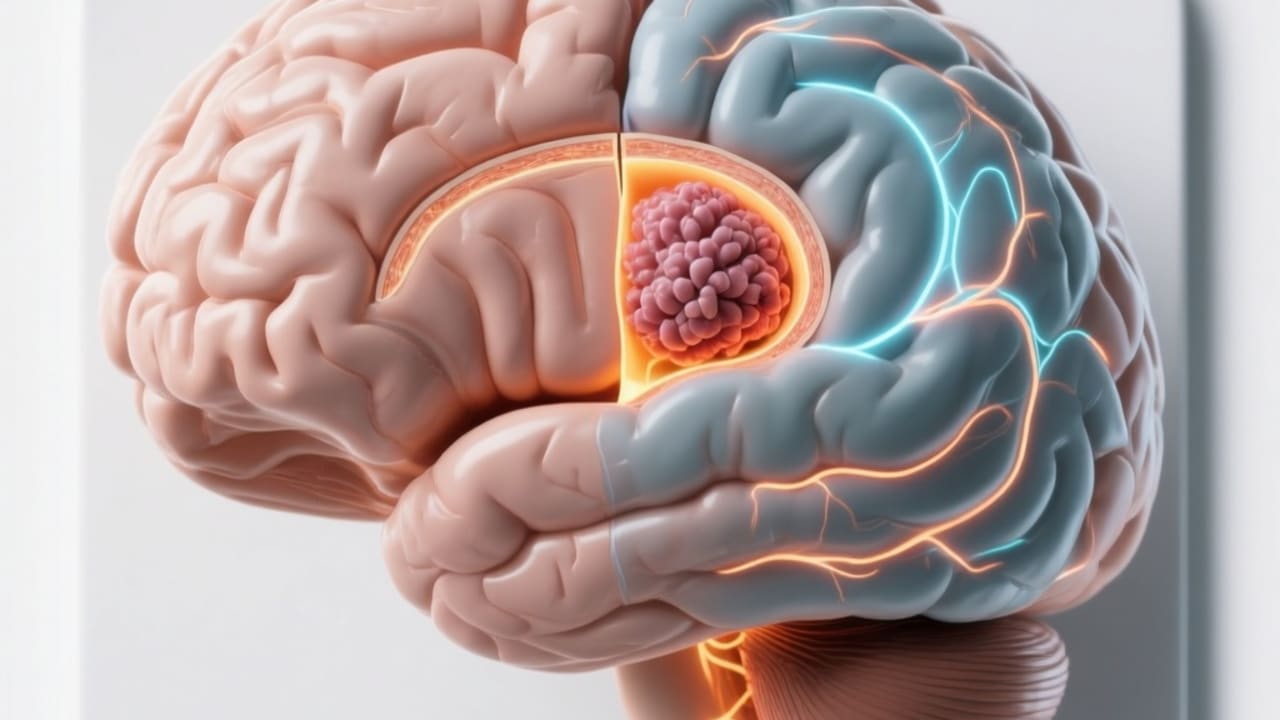
Under chronic stress, the brain’s threat detector—the amygdala—stays on high alert while the prefrontal cortex, which handles decision-making and emotional regulation, goes offline more easily. That’s why simple tasks suddenly feel complicated and your patience runs thin.
Think of it like your phone switching to low‑power mode: it still works, but background apps (creativity, big‑picture thinking, empathy) shut down to conserve energy.
A 2026 report in News‑Medical summarizing neuroscience perspectives on burnout describes this shift clearly: prolonged stress amplifies amygdala activity and suppresses prefrontal control, keeping people stuck in survival mode and narrowing mental flexibility—key ingredients for recovery.
It’s Not Just You: Workloads, Culture, and Meaning
Most people have been there—your calendar owns you, metrics drift from meaning, and you start feeling numb or cynical. That numbness isn’t a character flaw; it’s a signal that connection and purpose are eroding.
A 2025 editorial in Scientific Reports highlights that burnout combines emotional exhaustion, depersonalization, and reduced accomplishment, and it’s shaped by both systemic pressures (demand, pace, ambiguity) and individual vulnerabilities. The same piece points to protective factors—optimism, humor, resilience, and hope—that buffer stress when cultivated with intention.
Translation for your workweek: you’ll recover faster when you address the container (workload, clarity, supportive leadership) alongside personal tools. It’s not indulgence to ask for sustainable expectations—it’s physiology.
Skills That Restore Flexibility: ACT, CFT, and Stress Reframing
Acceptance and Commitment Therapy (ACT) and Compassion‑Focused Therapy (CFT) aren’t about pretending things are fine. They help you notice difficult thoughts and feelings, relate to them differently, and act from values even when stress shows up.
The 2026 News‑Medical piece notes ACT and CFT as science‑based strategies that recalibrate during burnout by building psychological flexibility and compassion. And a University of Rochester Medicine explainer emphasizes reframing stress as a protective response; when we meet “imagined” stress with curiosity instead of combat, the nervous system may settle more quickly and triggers feel less threatening over time.
Picture this: your mind shouts, “I’m failing.” An ACT move would be, “I’m having the thought that I’m failing,” then choosing a values‑aligned next step—like asking for clarity or finishing one small task—rather than spiraling. CFT adds a supportive inner voice: the way you’d speak to a close friend carrying too much.

Rebuilding Resilience Without Toxic Positivity
Resilience isn’t “just think positive.” It’s the capacity to bend without breaking—and it grows through repeatable reps, not motivational posters.
The 2025 Scientific Reports editorial synthesizes findings that hope (clear goals + pathways), humor, and realistic optimism can buffer burnout. These aren’t blind cheerfulness; they’re practical stances that keep the prefrontal cortex engaged long enough to solve problems and ask for help.
A relatable move: treat resilience like strength training. Start with light weights—one tiny boundary, one restorative pause, one honest conversation—and add reps weekly. Consistency beats intensity.
Why This Matters
Because burnout bleeds into everything: how you show up with your partner, whether you laugh with your friends, the choices you make with your body and money. It shapes the stories you tell yourself—about worth, capacity, and what’s possible next.
Recovery isn’t about being tougher. It’s about creating conditions—internal and external—where your best self can actually operate.
When you shift both your nervous system and your environment, mornings feel less like an ambush and more like a choice. That relief is the point.
What You Can Do Today
- Run a 90‑second reset: Try a slow inhale, then a longer exhale (or a “physiological sigh”: two quick inhales, one long exhale). Research suggests longer exhales may help downshift arousal.
- Name the mind’s story: “I’m having the thought that…” creates distance (an ACT skill) and may reduce spirals enough to choose one next step.
- Do a values micro‑commitment: Pick one 10‑minute action that aligns with what matters (e.g., clarity email, short walk with your kid, prepping lunch). Small, consistent actions build momentum.
- Adjust one system lever: Ask your manager for a time‑boxed focus block, clearer priorities, or fewer status meetings this week. Tiny structural shifts often pay off fast.
- Borrow compassion: Write a 3‑sentence note to yourself as you’d write to a friend in the same spot. CFT frameworks suggest this may soften shame and support action.
If your stress feels unmanageable, or if you’re experiencing depression, anxiety, or thoughts of self‑harm, consider reaching out to a licensed mental health professional. If you’re in immediate danger, call your local emergency number or a crisis line in your region.
You don’t have to “power through” to prove anything. Share this with someone who’s carrying too much—and start with one tiny lever today.
Frequently Asked Questions
Burnout often includes emotional exhaustion, cynicism, and a sense of reduced accomplishment that doesn’t lift with a weekend off. If symptoms persist or worsen, consider speaking with a clinician who can help you sort out stress, burnout, and other conditions.
ACT isn’t a quick fix, but research supports it for reducing stress and improving psychological flexibility. Many people find ACT skills—like values‑based action and cognitive defusion—useful alongside workplace changes.
Try requesting a clear top‑three priorities list, a protected focus block, and a debrief to remove low‑value work. Framing the ask around outcomes and sustainability may help.