Most people blame the calendar. Meetings stack up, inbox explodes, sleep shrinks—so burnout must be about time. Here’s the twist: many people who finally take time off still feel fried when they get back.
Picture this: it’s 2 a.m. and you’re awake again, heart racing over tomorrow’s “urgent.” You’re not lazy or broken—your brain has learned a fast-twitch stress loop. Rest helps, but if the loop keeps firing, Monday still feels like a wall.
The good news? That loop is trainable. Neuroscience points to small, repeatable practices—plus smarter boundaries at work—that can nudge your system from constant “go” back to steady.
- Burnout recovery starts in the brain: stress circuits can get stuck on “urgent,” dulling focus and motivation.
- Systems matter too: workload, culture, and unclear roles can fuel burnout—address both personal habits and workplace setup.
- Counterintuitive: tiny “micro-wins” and short breath breaks may help more than a single long vacation.
- Protective factors: hope, humor, and realistic self-efficacy buffer stress and may reduce burnout risk.
- Safe next steps: practice brief nervous-system resets, set capacity-based boundaries, and ask for structural support.
What burnout does to your brain (and why willpower isn’t working)
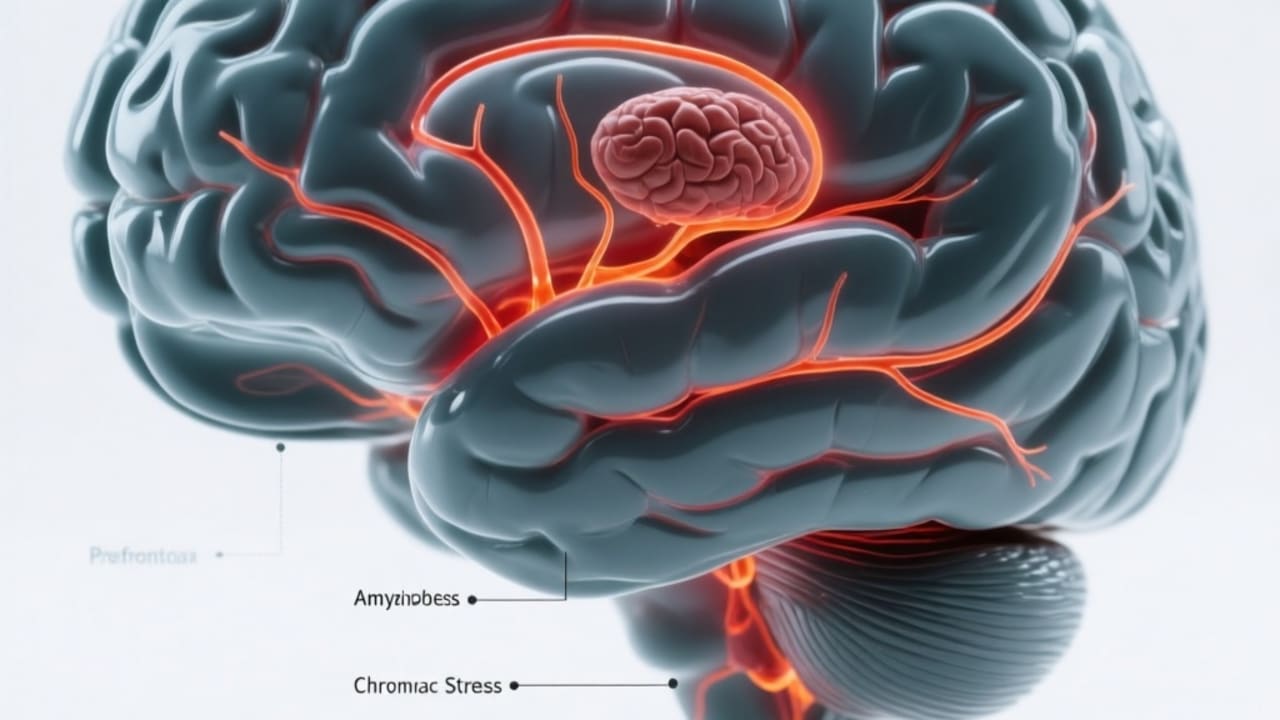
When stress is chronic, the brain reallocates energy to stay on high alert. The prefrontal cortex—the area that supports planning, empathy, and impulse control—can “downshift,” while threat circuits run the show. That’s why simple tasks feel impossible and small slights sting.
A 2021 narrative review of frontline clinicians (PMC8450185) described how reduced prefrontal self-regulation under fatigue and uncontrollable stress may drive classic burnout patterns like low motivation and short fuse moments. In other words, the system meant to steer calmly gets drowned out by the alarm.
Imagine trying to write an email while a smoke alarm blares inches from your ear. You can still type—but everything takes more effort, and mistakes sneak in. That’s burnout’s “noise,” not a personal failure.
It’s not just you—systems shape stress
Most people try to fix burnout by optimizing themselves. Helpful—but incomplete. A 2025 editorial in Scientific Reports highlights that burnout reflects both individual vulnerabilities and systemic factors like workload, role conflict, and culture. Protective traits—optimism, humor, resilience—matter, but so do policies and expectations.
Think of your week as a treadmill. If it keeps quietly speeding up while you’re told to “run smarter,” you’ll still hit a wall. The research push is clear: combine personal strategies with structural support—clearer priorities, realistic staffing, and permission to pause.
And because burnout shows up beyond hospitals and startups alike, an organization’s unspoken rules—rewarding speed over reflection, availability over recovery—can keep nervous systems stuck in urgency, as trainers at Change Mental Health describe from lived experience and neuroscience-informed practice.
The surprising protectors: hope, humor, and micro‑wins
Here’s what’s surprising: the brain buffers stress when it senses pathways to progress. In corporate employees, research cited in the 2025 Scientific Reports editorial (Szczęśniak and colleagues) found that hope—defined as motivation plus routes to goals—and self-efficacy can mediate stress and reduce burnout risk. Humor shows a similar protective pattern in several contexts.
Micro‑wins feed that circuitry. Finish a 90‑second task, send a “good enough” draft, or close three open tabs. Each completion signals “agency,” nudging dopamine and quieting alarm. Over time, these tiny proofs of progress add up more reliably than waiting for a perfect, hours‑long reset that rarely arrives.
Try “kindling,” not logs
If your motivation fire keeps sputtering, stack kindling: choose one task that takes under two minutes, then another. Consistent sparks are easier on a tired brain than forcing a massive blaze.

Retrain the stress loop: skills that restore agency
Agency—the felt sense that your actions matter—tends to erode under chronic stress. The American Psychiatric Association’s clinicians note that prolonged demoralization can push people toward exhaustion, and protecting a thread of agency is key to preventing and reversing burnout. That starts small and specific.
On the individual side, resilience training and stress‑management programs are linked with lower burnout across settings, according to the 2025 Scientific Reports editorial. Practically, this can look like brief breath practices, monotasking, and “capacity statements” that align your yes/no with your actual bandwidth.
Body‑based downshifts (1–3 minutes)
Longer exhales than inhales, box breathing (4‑4‑4‑4), or a few relaxed “physiological sighs” (double inhale through the nose, slow mouth exhale) may cue your nervous system toward calm. Think of these as circuit breakers you can flip between meetings.
Cognitive resets you can finish today
Use a 3‑item “Now, Next, Not‑Today” list to shrink overwhelm, then time‑box one task for 10 minutes. End with a visible win—send, file, or schedule—so your brain gets closure. Close with a sentence like, “Given my capacity, I can start this on Thursday.” That’s a boundary and a plan in one.
The systems side—make the treadmill fair
Upstream fixes amplify recovery: ask for clear priorities, protect no‑meeting focus blocks, and set sustainable response‑time norms. If you lead, model this. When culture rewards rest and reflection—not just speed—people’s brains stop bracing for impact.
Why this matters
This isn’t abstract neuroscience—it’s your Tuesday afternoon. It’s how you talk to your kid after a long day, whether you remember to eat lunch, and whether your brain still has a gentle gear when plans change. Burnout shrinks life to “survive the next ping.” Recovery widens it again.
“You’re not broken—you’re burned out. That’s a brain and system state, and there’s a path back.”
The path is usually boring on purpose: tiny wins, kinder pacing, and a few brave conversations that make your work week less like a sprint and more like a trail you actually want to walk.
What you can do today
- Run a 3‑minute nervous‑system reset (longer exhales, box breathing, or a short walk). These may help shift your body out of constant “urgent.”
- Create a “Now, Next, Not‑Today” card and finish one micro‑win in under 2 minutes. Research suggests micro‑progress can build hope and reduce overload.
- Write one capacity statement to a stakeholder: “Given current priorities, I can start Friday or suggest X alternative.” Boundary language like this may protect focus and energy.
- Schedule recovery like a meeting—a 15‑minute block for food, sunlight, or movement. Consistency beats intensity for burnout recovery.
- If symptoms persist or worsen (e.g., despair, thoughts of self‑harm), contact a licensed clinician or local crisis service. Professional support can be crucial.
Burnout recovery isn’t a single finish line—it’s dozens of small course corrections that bring your brain back to steady. Share this with a friend who needs permission to slow down, then pick one kindling‑sized step and light it today.
Frequently Asked Questions
It varies. Some people feel steadier in a few weeks with small, consistent changes; others need months and workplace adjustments. If you’re not improving, consider speaking with a clinician for tailored support.
They can overlap but aren’t identical. Burnout centers on exhaustion and reduced effectiveness from chronic stress; depression and anxiety have distinct criteria. If you’re unsure, a licensed professional can help clarify and guide care.
Not always. Combining personal practices with realistic boundaries and system fixes may help. If your health is deteriorating despite changes, discuss options with a healthcare professional and your manager or HR.