Most people blame stress itself when the real culprit might be lower in your torso. If your anxiety spikes after poor sleep, takeout, or antibiotics, you’re not imagining it—the gut and brain talk constantly, and microbes may be steering the conversation.
Here’s the thing: your stress hormone, cortisol, isn’t only about mindset. Gut bacteria help set the “thermostat” on your stress system. When that thermostat runs hot, worry loops feel louder, focus gets fuzzy, and sleep turns light and jumpy.
The surprising part? Certain foods and probiotic strains—sometimes called psychobiotics—may help bring cortisol and anxiety down a notch. Not a cure, but a lever you can actually pull.
- Gut microbes influence the HPA axis—the body’s stress circuit—and can nudge cortisol up or down.
- Small human trials suggest some probiotics may reduce anxiety scores after 4–8 weeks.
- Fiber and fermented foods feed “calm-promoting” microbes; ultra-processed foods may do the opposite.
- Counterintuitive: Going hard on fasting or extreme diets can spike stress for some—start gently.
- Safety first: If you’re immunocompromised or have a history of disordered eating, talk with a clinician before major changes.
The Gut–Brain Stress Loop: Cortisol, Microbes, and You
Picture this: back-to-back meetings, lukewarm coffee, a skipped lunch, and by 4 p.m. you’re jittery and on edge. That edgy feeling isn’t only “in your head.” Your gut microbiota interacts with the HPA axis—the body’s stress engine—to help regulate cortisol, the hormone that primes you to fight, flee, or refresh your inbox at 11 p.m.
A 2025 review in Frontiers discussed how gut microbes modulate stress signaling through the HPA axis, with chronic activation linked to higher cortisol and mood changes affecting brain regions involved in emotion and control. Researchers highlighted that when the gut barrier is leaky, immune signals and inflammation can further push cortisol higher. That’s a feedback loop nobody ordered.
Scientists at Duke-NUS Medical School reported that microbial metabolites—especially indoles—can influence anxiety-related brain activity, offering a plausible route from gut chemistry to mood. Their findings, published in EMBO Molecular Medicine and summarized by ScienceDaily in 2025, help explain why your stomach’s “voice” sometimes drowns out logic.
In animals, even single strains can shift the loop: rodent work with Lactobacillus reuteri DSM 17938 has linked better gut integrity and brain-derived neurotrophic factor (BDNF) with calmer behaviors. That doesn’t mean it’ll do the same for every person—but it shows the pathway is biologically real.
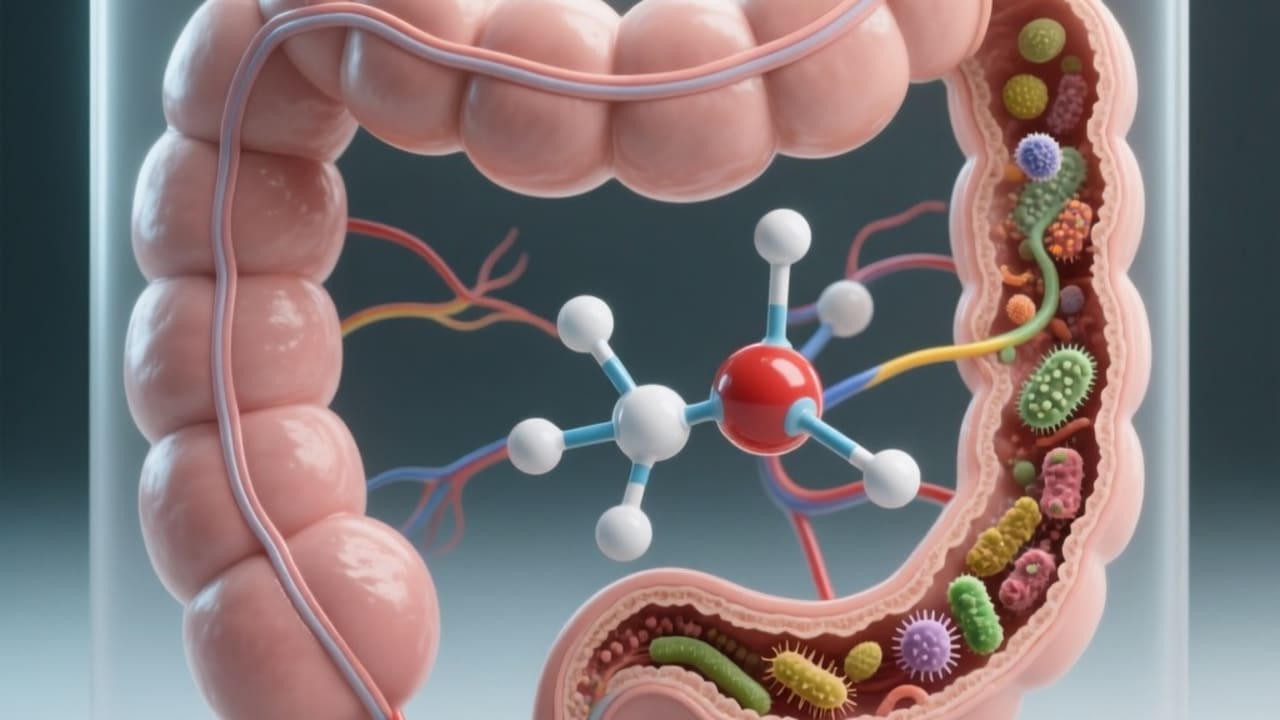
Psychobiotics: What the Trials Actually Show
“Psychobiotics” are probiotics (and prebiotics) studied for mental health effects. You know that feeling when a friend texts just as you were thinking of them? The gut-brain axis is like that—constant back-and-forth—only the messages are chemicals, nerves, and immune signals.
A 2026 overview in Frontiers in Microbiology noted that certain microbial metabolites can cross into brain regions and may dampen inflammation and stress sensitivity, while improving gut barrier function can reduce the inflammatory triggers that push cortisol higher. Across human trials, early results point to small but meaningful reductions in anxiety scores for some participants after several weeks of specific probiotic strains.
Results aren’t uniform—strains matter, doses differ, and study sizes are often small. Some evidence has focused on Bifidobacterium longum (e.g., 1714) and Lactobacillus rhamnosus (e.g., HN001) in stress or postpartum contexts, with improvements in perceived stress or anxiety measures in select groups. Researchers recommend larger, more diverse trials before making broad promises—but the signal is intriguing enough to consider a cautious trial if it fits your situation.
Bottom line: think of psychobiotics as one tool in a kit that can include therapy, sleep, movement, and nutrition. They may help nudge the system toward calm, not replace standard care.
Feed the Calm: Food and Habits That Help
Think of your gut like a garden. Fiber is the mulch; fermented foods are the beneficial seeds; sleep and movement are sunlight and rain. When you nourish that garden, the “calm-promoting” species tend to flourish—and your stress thermostat can cool.
Research summarizing the gut-brain axis suggests that diet shapes microbial metabolites that talk directly to the nervous system. The EMBO-linked indole findings and Frontiers reviews both point to a mechanism: more protective metabolites and a tighter gut barrier may mean less inflammatory drive on the HPA axis and steadier cortisol.
What to eat more often
- Colorful plants and prebiotic fibers (oats, onions, asparagus, beans) that feed beneficial microbes.
- Fermented foods like yogurt with live cultures, kefir, kimchi, miso, or sauerkraut—start with 1 small serving daily.
- Omega-3 sources (salmon, sardines, walnuts) and polyphenol-rich foods (berries, olive oil, cocoa) that may support anti-inflammatory pathways.
Habits that steady the loop
- Sleep regularity: even a 30–60 minute shift earlier may help reset cortisol rhythms.
- Movement: brisk walks or strength sessions 3–5 days a week can reduce anxiety symptoms for many people.
- Caffeine timing: keep it before noon if you’re sensitive; alcohol can fragment sleep and worsen next-day stress.
Counterpoint worth noting: aggressive fasting or extreme elimination diets can feel “clean,” but for some bodies they spike stress. One integrative guide recommends easing in (for example, a gentle 12:12 eating window) and avoiding restrictive patterns during high-stress periods, especially if you’ve had disordered eating. Listening to your body isn’t soft—it’s data.

Personalize It—And Stay Safe
Most people have been there—trying six things at once, not sure what worked. A better approach is one variable at a time for 4–8 weeks: a specific probiotic, a daily fermented food, or a fiber target. Track sleep, anxiety (0–10), and bowel habits to spot trends.
If you live with IBS, SIBO, or are immunocompromised, get guidance before starting probiotics or big diet shifts. And if you’re on psychiatric medication, any supplement changes are worth clearing with your prescriber to avoid interactions or expectations that outpace the evidence.
Scientists are clear about one thing: we need larger, well-powered trials in diverse groups. Until then, think “nudge,” not “fix.” The goal is steadier days, not perfection.
Why This Matters
But what does that actually mean for your Monday morning? It means a calmer commute after a real breakfast. It means a little more focus at 2 p.m. because your microbes got their fiber. It means sleep that actually refreshes you because your cortisol curve isn’t flooring the gas at midnight.
“You can’t think your way out of every worry loop—but you can feed your way into steadier biology.”
What You Can Do Today
- Try a 4–8 week probiotic trial that includes a studied strain (for example, Bifidobacterium longum 1714 or Lactobacillus rhamnosus HN001), and track mood/sleep; stop if symptoms worsen.
- Add 1–2 daily servings of fermented foods (yogurt with live cultures, kefir, kimchi, miso) and aim for 25–30 g of fiber from whole foods; increase gradually to reduce bloating.
- Anchor your circadian rhythm: morning light + a consistent sleep window may help steady cortisol and support a healthier microbiome.
- Reduce ultra-processed foods and late caffeine; some people find swapping one snack for nuts/fruit and moving coffee earlier makes an outsized difference.
- Discuss changes with a clinician if you’re pregnant, immunocompromised, or on psychiatric meds; these steps can complement—not replace—your current care.
You don’t have to overhaul your life to feel different. Start small, watch what changes, and share this with the friend who keeps saying, “My stomach knows when I’m stressed.” They’re right—and there’s something you both can do about it.
Frequently Asked Questions
Early human data suggest Bifidobacterium longum (e.g., 1714) and Lactobacillus rhamnosus (e.g., HN001) may reduce perceived stress or anxiety in specific groups. Effects are modest and not universal, so a cautious 4–8 week trial with tracking is reasonable to discuss with a clinician.
Trials often run 4–8 weeks. Some people notice sleep or stress improvements in weeks 2–4, while others don’t respond. If nothing shifts by 8 weeks—or if symptoms worsen—consider stopping and reassessing with a provider.
No. Probiotics may help as an add-on by nudging cortisol and inflammation, but they don’t replace evidence-based treatments like therapy or prescribed meds. Always coordinate changes with your healthcare team.