
Most people blame their inbox for their stress when the real cause is something sneakier: a nervous system stuck in “always on.” You’re not weak—it’s biology. And the right micro-habits can teach your body to power down again.
Picture this: it’s 3:07 p.m., you’ve reread the same sentence three times, and even a harmless message pings like an alarm. That frayed, crispy feeling? It maps onto measurable changes in your brain, hormones, and muscles—and it’s reversible.
Here’s what nobody tells you about stress relief: it doesn’t have to take an hour. A few evidence-backed minutes—done consistently—can move the needle on burnout, mood, and focus.
- Burnout shows up as emotional exhaustion and reduced sense of accomplishment—recognized by the WHO as an occupational phenomenon.
- Slow, nasal breathing (about 5–6 breaths/min) may lower arousal and improve focus within minutes.
- Progressive muscle relaxation helps release “invisible” tension many of us don’t notice until headaches hit.
- Mindfulness doesn’t require 20 minutes—micro-practices (60–120 seconds) can still help.
- Counterintuitive: Labeling “I’m stressed” out loud can reduce its grip by engaging your prefrontal cortex.
Burnout Isn’t Just “Being Tired” — It’s Your System Stuck On
You know that feeling when you’re oddly numb and snappy at the same time? Classic burnout. The World Health Organization lists burnout as an occupational phenomenon marked by emotional exhaustion, depersonalization (feeling detached), and a reduced sense of accomplishment. That cluster shows up after chronic, unmanaged stress—not a single rough week.
A 2025 editorial in Scientific Reports (Nature portfolio) highlights how systemic pressures and personal vulnerabilities both feed burnout, and how protective traits—like optimism and resilience—buffer it. Translation: your environment matters, and skills can be trained.
Most people have been there—Saturday morning and you still feel “on call.” That’s your stress axis (HPA) and autonomic nervous system remembering threats that aren’t there. The fix isn’t willpower; it’s giving your body new, repeatable signals of safety.
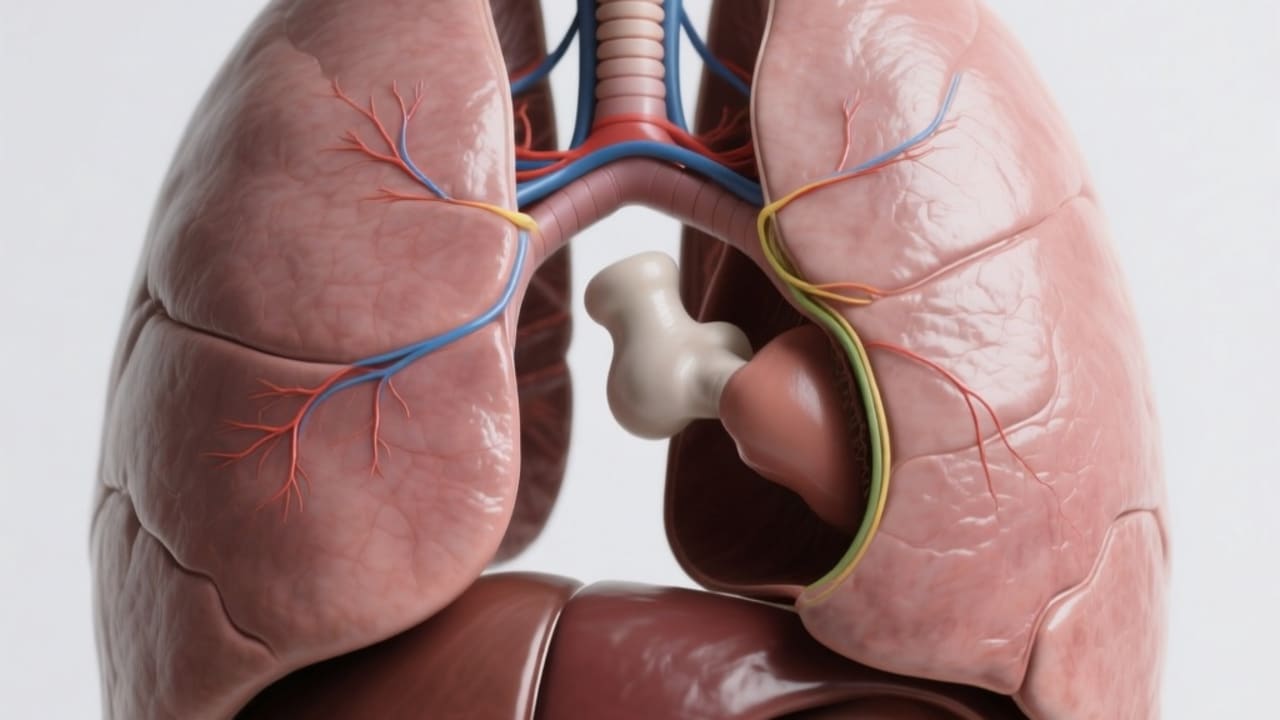
Your Breath Is a Remote Control for Your Brain
Here’s the thing: breathing is the fastest lever you control. Slow, steady, nasal breaths lengthen your exhale, nudging the “rest-and-digest” side of your nervous system to take the wheel. Think of it like dimming a light instead of flipping it off.
A 2017 study in Frontiers in Psychology found that eight weeks of diaphragmatic breathing training improved attention and lowered cortisol compared to controls. Even short bouts (a few minutes) can shift heart rate variability—a proxy for stress resilience—in the right direction.
Try this: Inhale through your nose for 4, pause 1, exhale for 6–8. Do 10 cycles. Picture you’re fogging a mirror on the exhale—quiet and slow. Most people feel a small drop in tension within two minutes.
Tension You Can’t See Still Drains You
Jaw tight. Shoulders creeping up. Forearms clenched over a keyboard. Micro-tension adds up like background apps crushing your battery. Progressive Muscle Relaxation (PMR) teaches your brain the contrast between “on” and “off,” so it can choose off more often.
NIH-funded research around 2019 reported that PMR can reduce symptoms of anxiety and stress and improve overall well-being across different groups. It’s simple: you tense a muscle group for ~5 seconds, then release for ~10–15, moving from feet to face.
Try this (3 minutes): Press toes down—hold—release. Squeeze calves—release. Clench fists—release. Shrug shoulders to ears—release. Gently scrunch face—release. Notice the “after-feel” of warmth or heaviness. That’s your nervous system downshifting.

Mindfulness That Doesn’t Feel Like Homework
Mindfulness gets eye-rolls when it sounds like another task. But micro-mindfulness fits real life—60–120 seconds of attention, done often. Name what you feel, notice where it lives in your body, and come back to one anchor (breath, sounds, or touch).
A 2014 review in JAMA Internal Medicine found moderate evidence that mindfulness programs reduce anxiety and depressiveness. Experts at the University of Rochester Medical Center also encourage approaching stress with curiosity rather than “fixing” it—your body learns the threat is smaller than it feels.
Try this (label-and-allow): Silently say, “Anxiety is here.” Feel its edges in your chest or jaw. Breathe slowly for three rounds. No need to force it away. Oddly, naming it often loosens its hold.
Why This Matters
But what does that actually mean for your Monday morning? It means you can stack tiny resets between tasks—before a meeting, after a tough text, while the kettle boils—and change the arc of your day. That’s how resilience is built: not by one epic routine, but by dozens of small nudges.
“Your nervous system learns safety the way it learned stress—through repetition.”
When stress spikes, your brain narrows options. These practices widen them again. And if you’re dealing with persistent burnout symptoms—like ongoing exhaustion, cynicism, or sleep disruption—these tools may help while you consider bigger levers too (boundaries, workload, conversations with your manager, and support from a clinician).
What You Can Do Today
- Set “physiological sigh” alarms: 3 times a day, do 5 rounds of quick double inhale through the nose + long mouth exhale. Research suggests this pattern may calm arousal quickly.
- PMR while your coffee brews: One quick sequence (feet to face) may release enough tension to reduce headaches later.
- Mindful label on the hour: Pause for 60 seconds. Name your state (“tense,” “foggy”), then one action that might help (“water,” “stand,” “3 breaths”).
- Work/phone boundary light-switch: When you end work, do 2 minutes of slow nasal breathing while standing at your door or switching lights—train your body that off means off.
- Track one metric for a week: Minutes practiced, not mood. Consistency often predicts benefit better than intensity.
That said, if stress feels unmanageable, you’re not alone. Consider reaching out to a licensed mental health professional or your primary care clinician—especially if you’re noticing persistent low mood, sleep problems, or thoughts of self-harm.
Small, science-backed resets don’t just lower stress in the moment—they teach your body a new baseline. Try one today and share this with the friend who’s been “fine” for six months. They’ll know what you mean.
Frequently Asked Questions
Even 2–5 minutes, repeated a few times daily, may help lower arousal and improve focus. Consistency over a few weeks tends to matter more than long single sessions.
Many people with pain use a gentler version—light tensing or even just imagining the squeeze-and-release. If pain flares, skip the tense phase and focus on slow exhales; discuss with your clinician for personalized guidance.
These tools may support well-being but aren’t a substitute for professional care. If symptoms persist or interfere with daily life, a licensed therapist can help you build a fuller plan.