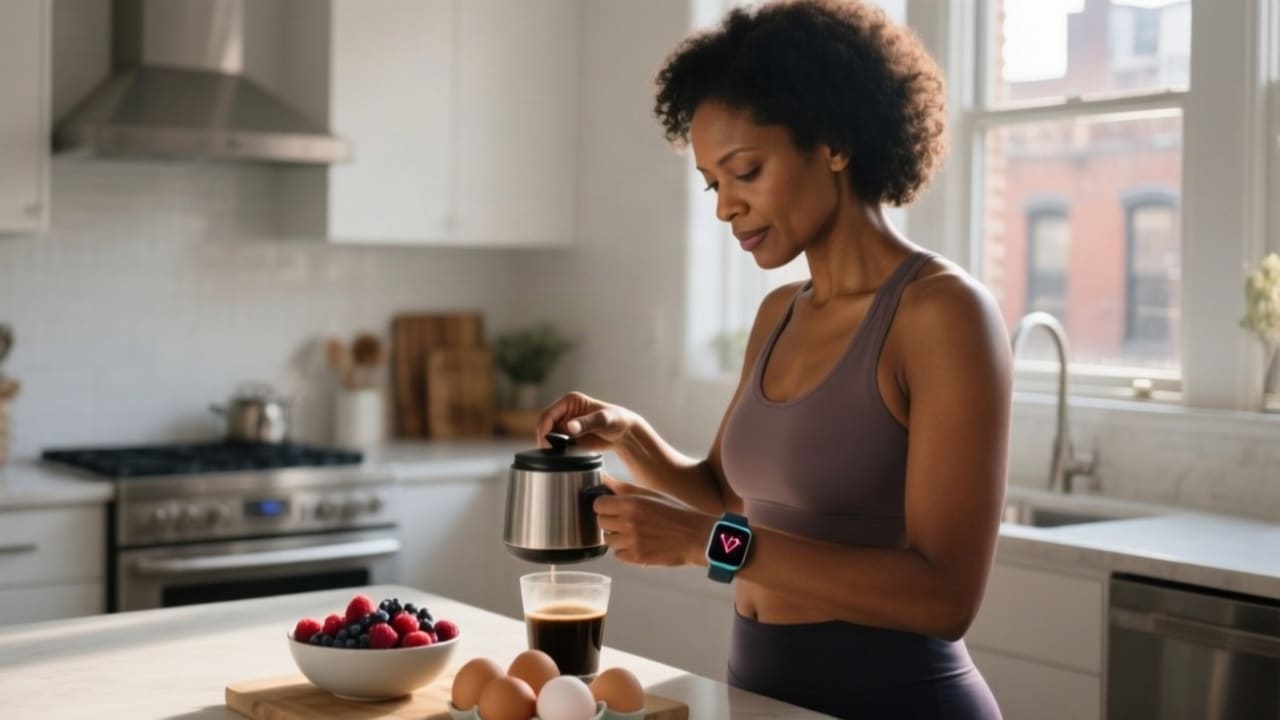
Most people blame genetics when the real cause is hiding in their weekday routine. How you sleep, move, and connect in your 30s and 40s isn’t just “good for you”—it may be quietly predicting how long you’ll live.
Picture this: your wearable shows you slept mostly at night, hit a few brisk walks, and texted a friend to meet for coffee. Small stuff. But patterns like these—repeated over months—could be early signals of slower aging.
Here’s the twist: aging doesn’t seem to drift steadily. It may jump in stages. Which means tiny midlife tweaks might steer your next “jump” in a better direction.
- Midlife matters: Consistent movement and sleeping mostly at night are linked to longer life in emerging research.
- Mix your workouts: Variety (not just more minutes) is tied to lower mortality risk, with a “sweet spot” rather than endless gains.
- Track what counts: Simple metrics—sleep timing, weekly activity mix, steps—can guide smarter tweaks.
- Counterintuitive: More isn’t always better; both exercise volume and sleep have plateaus where benefits level off.
- Social is a health habit: Regular connection may buffer stress and is associated with longer life.
The midlife signal: your sleep and movement patterns
A 2026 paper in Science, led by Stanford-affiliated researchers, closely tracked animals across their lifespans and found that simple midlife behaviors—staying active and sleeping mostly at night—predicted who lived longer. The surprising part? Aging appeared to shift in jumps between stages, not as a smooth slide. While the work was in fish, the team noted that the same kinds of daily patterns are now easy to track in humans with wearables, offering a practical way to spot early aging signals before health problems show up.
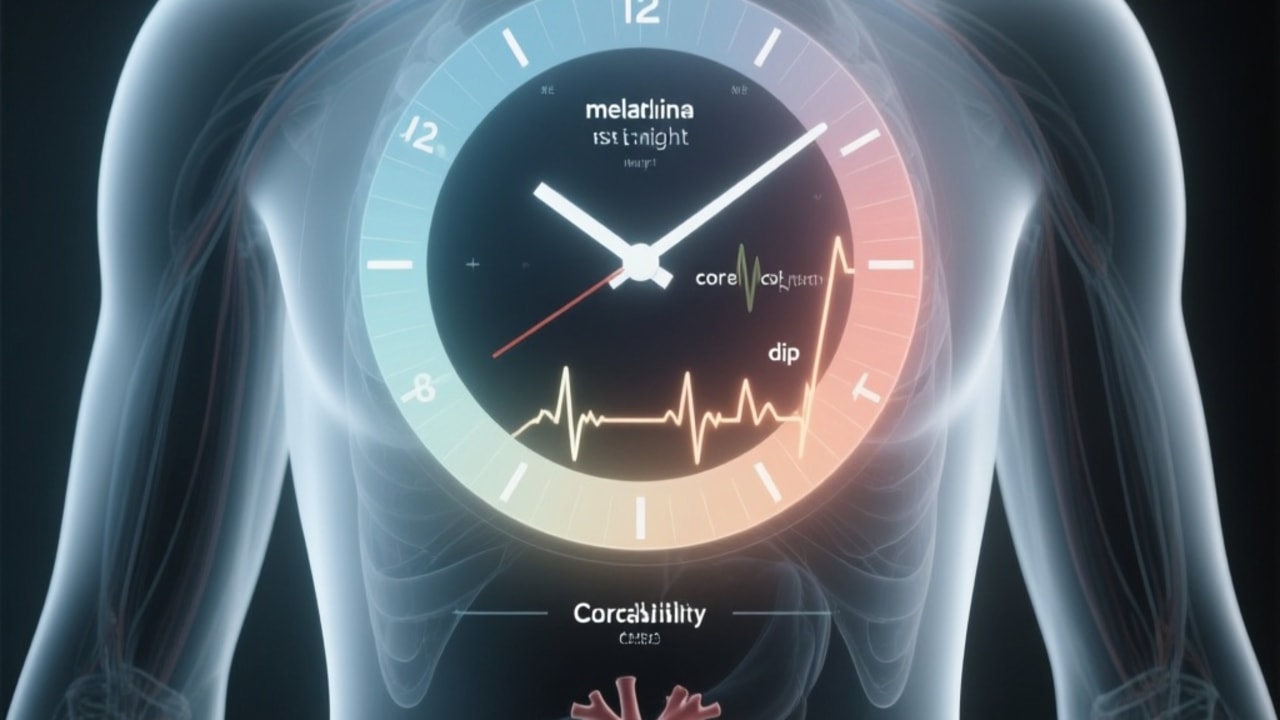
Think of your week like a heartbeat on an ECG: regular movement “beats,” quiet nights, some daylight, and meaningful pauses. When the rhythm changes—less movement, fragmented nights—that’s a clue to adjust before the next “jump.”
For humans, decades of observational research already associate consistent sleep (roughly 7–9 hours for most adults) and regular physical activity with longer, healthier lives. The new insight is that midlife patterns, not just totals, may be the early tell.
Mix it up: why variety beats “just do more”
Long-term cohort data reported by BMJ Group in 2026 suggest that people who engage in a variety of physical activities—not just stacking more of the same—see lower mortality risk. And the benefits don’t climb forever; they level off past a certain point, hinting at a “sweet spot.”
Most people have been there—doing the same 30-minute jog every day until it stops feeling effective. Variety challenges different systems: a brisk walk for aerobic base, a strength session for muscle and bone, a short interval ride for VO₂, a yoga flow for mobility and recovery. That mix may protect more edges of your health than a single favorite workout repeated endlessly.
Hedging your bets matters. Rotating modalities can reduce overuse niggles, keep motivation higher, and make “forever” fitness more realistic—which is the point if you’re playing the long game.
The quiet multipliers: sleep, stress, and social ties
Sleep isn’t just about hours; timing and regularity matter. The Stanford-led work above highlighted “mostly at night” sleep as a marker of longer life in animals. In people, organizations like the American Heart Association elevated sleep to their “Essential 8” heart-health metrics in 2022 because consistent, adequate sleep is associated with healthier blood pressure, weight, and glucose—things that track with longevity.
Stress is the stealth amplifier. Short bursts sharpen us; chronic stress wears systems down—think higher resting heart rate, worse glycemic control, and fragmented sleep. Practices like brief breathwork, daylight walks, and boundaries around work messages may not feel dramatic, but stacked daily, they can lower the background “noise” your body carries.
And social connection? Dr. Julianne Holt-Lunstad at Brigham Young University has reported that stronger social ties are associated with a lower risk of premature mortality, on par with other lifestyle heavy-hitters. Translation: texting a friend back isn’t small talk; it’s maintenance for your future self.
Picture this: one consistent bedtime, two 10-minute “movement snacks,” one real conversation. None of it is glamorous. All of it compounds.

Track what matters: sweet spots, not streaks
Wearables can help you spot plateaus and “sweet spots” rather than chasing arbitrary streaks. A 2021 JAMA Network Open cohort study linked about 7,000 or more daily steps with substantially lower mortality risk in middle-aged adults, with benefits tapering beyond roughly 10,000–12,000 steps. Similarly, sleep often has a U-shaped curve: too little or too much associates with worse outcomes for many people, with most adults feeling best around 7–9 hours.
Here’s the thing: your target isn’t perfection; it’s consistency you can keep. If “8 p.m. screens off” helps you fall asleep faster, that’s a win. If a kettlebell by the couch turns TV time into 10 minutes of swings and squats, that’s another. Data is only useful if it makes the next small decision easier.
Try a weekly “mix” template—two strength days, two aerobic days (one easy, one interval), daily walks, and mobility woven around sleep anchors. Adjust based on energy, soreness, and life. The goal is a rhythm your future self can ride.
“Longevity isn’t won in one grand gesture. It’s baked into the Tuesday you repeat for years.”
Why this matters
Because midlife is busy, most of us default to “survive the week.” But your everyday choices—bedtime drifts, skipped walks, that text you don’t send—are the exact signals your body is using to set its pace for the next decade. That’s not pressure; it’s power. You can steer without overhauling your life.
What does that actually mean for your Monday morning? It means aiming for a regular lights-out, picking one movement snack before lunch, and saying yes to a 20-minute catch-up with a friend. These are small, repeatable levers with an outsized ripple.
What you can do today
- Anchor sleep: Aim for a consistent window that gives you 7–9 hours. A fixed wake time and a 30–60 minute wind-down may help.
- Mix your week: Research suggests variety matters. Try two strength sessions, two aerobic days (one steady, one intervals), plus daily walks and short mobility.
- Watch the timing: If possible, keep most sleep at night and catch morning light. It may support circadian rhythm and better recovery.
- Track one metric: Choose steps, sleep regularity, or workout variety for 2–4 weeks. Use it to guide gentle tweaks—not punish yourself.
- Invest in people: Schedule one standing touchpoint each week—a walk with a friend, a family dinner, a hobby group. Strong ties may buffer stress.
You don’t need a new identity to add healthy years. You need a few small, boring habits you repeat so often they become background music. If this helped, pass it to the friend you want around for the long haul.
Frequently Asked Questions
Most adults feel and function best with roughly 7–9 hours, and research links consistent, adequate sleep with healthier aging. Individual needs vary, so track how you feel and talk with a clinician if sleep is persistently poor.
Not at all. Studies suggest midlife changes—more consistent movement, better sleep regularity—are still associated with lower risk over time. Even small, sustainable tweaks can compound.
Wearables can help you see patterns, but they’re optional. A simple journal, a step counter on your phone, and a consistent bedtime routine can provide enough feedback to make useful changes.