Most people blame a busy week or “just getting older” when the real cause of low energy is hiding in plain sight—often in your routine, your lab work, or your bedroom.
Picture this: it’s 2 a.m., you’re scrolling, and your alarm is five hours away. By noon, you’re chasing another coffee and wondering why your brain feels like it’s wading through oatmeal. Here’s the thing—fatigue is rarely about willpower. It’s a signal.
When you understand what’s draining your battery—sleep debt, nutrients, stress hormones, even your snoring—you can make a few targeted changes that often pay you back fast.
- Start with basics: consistent sleep window, morning light, caffeine cut-off.
- Rule out biology: thyroid, iron, B12, vitamin D, and sleep apnea.
- Move to make energy—counterintuitive, but light exercise can reduce fatigue.
- Hydrate early; a 1–2% fluid drop can feel like brain fog.
- If fatigue is new, severe, or with red flags (chest pain, shortness of breath, bleeding, unintentional weight loss), talk to a clinician promptly.
Start With the Obvious (That Still Trips Us Up)
You know that feeling when your alarm goes off and it’s like you never slept? Consistency matters as much as total hours. Aiming for a stable 7–9 hour sleep window—and waking up at roughly the same time—helps your circadian rhythm do the heavy lifting for alertness.
Devices are sneaky. Blue-enriched light and late-night scrolling keep your brain in “day mode.” Even 30–60 minutes of screen-free wind-down can pay off. Caffeine timing matters too: after lunchtime, it can fragment sleep you won’t even remember waking from.
Dehydration as small as 1–2% can feel like a mental brownout. Front-load water earlier in the day so nights aren’t a bathroom relay.
A 2022 brief from the CDC highlighted that a third of U.S. adults aren’t getting enough sleep; better sleep hygiene is linked with improved daytime function. The Sleep Foundation also notes that consistent timing and morning light exposure support more restorative sleep.
When Biology Drains Your Battery
Sometimes it’s not your schedule—it’s your labs. Low thyroid (hypothyroidism) can slow everything from mood to metabolism. Iron deficiency (with or without anemia), low B12, and low vitamin D can show up as heavy limbs, breathlessness on stairs, or that “no spark” feeling.
Think of your red blood cells like rideshare drivers for oxygen. If iron or B12 is low, there aren’t enough drivers—or they’re running inefficient routes—so your brain and muscles wait around for fuel.
Mayo Clinic lists fatigue as a key symptom of hypothyroidism and iron-deficiency anemia. The American Thyroid Association recommends testing TSH (and often free T4) when symptoms like persistent fatigue, cold intolerance, and dry skin cluster together. The NIH Office of Dietary Supplements notes that iron and B12 status are common, checkable contributors to tiredness—especially for menstruating people, vegans, and those with gut conditions.
If these resonate, bring them up with your clinician. Simple bloodwork may explain a lot—and guide targeted treatment or supplementation.
Stress, Cortisol, and the Energy Spiral
Most people have been there—your brain won’t clock out, your jaw’s tight, and you wake unrefreshed even after “8 hours.” Chronic stress can keep cortisol slightly elevated, which nudges blood sugar swings, light sleep, and that wired-and-tired vibe.
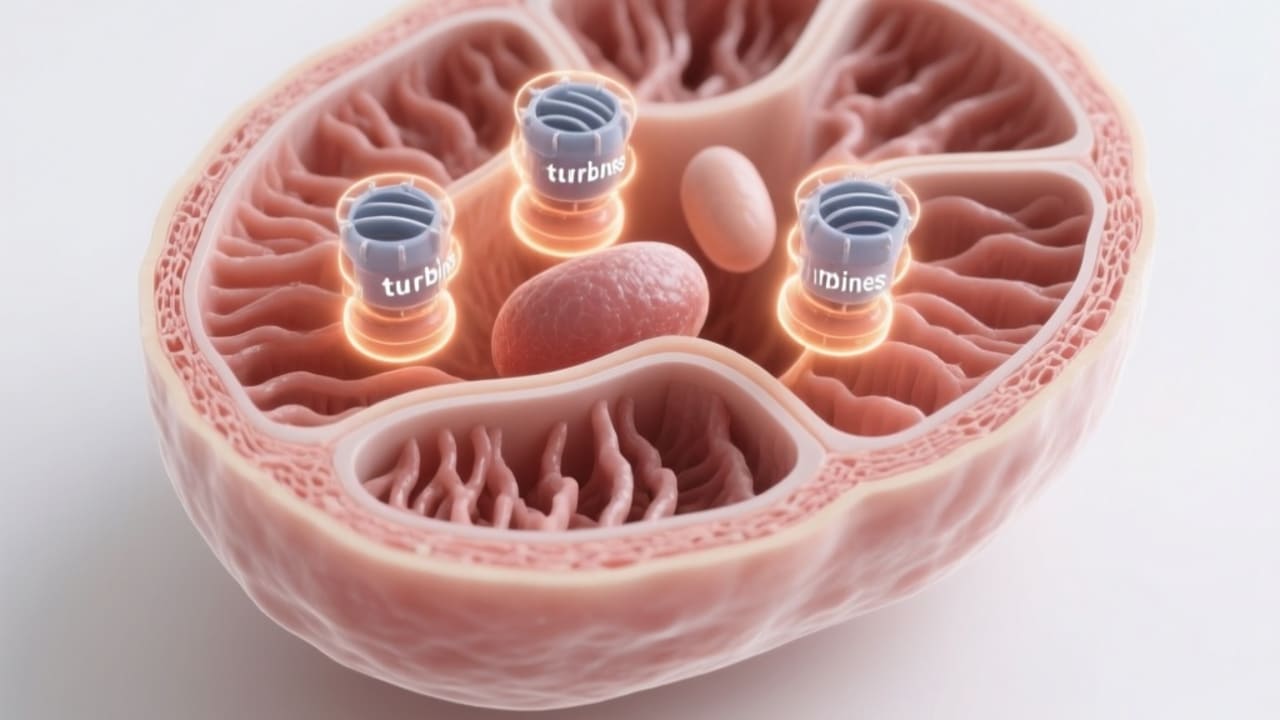
Here’s the surprising part: your cells can respond to ongoing stress by dialing down energy output—like dimming the lights to save the grid. That’s one way scientists explain why stress feels physically exhausting.
Dr. Martin Picard at Columbia University has described a “brain–body energy conservation” model where chronic stress shifts mitochondrial output and nudges the body to do less to protect resources. While it’s an adaptive idea, the day-to-day effect can be sluggishness and reduced motivation.
Practical takeaway: brief daytime movement, sunlight, and a real cutoff for work chatter can help reset this loop. Even 5–10 minutes of “stress ventilation”—a walk, box breathing, or journaling—may reduce evening overarousal and support deeper sleep.

Hidden Disruptors You Can’t See
Sleep apnea is a big one—especially if you snore, wake with a dry mouth, or feel sleepy while driving. You can sleep 8 hours and still wake drained because your brain kept hitting the “airway alarm” all night.
Infections and post-viral fatigue (including after COVID-19) can linger, showing up as low stamina, brain fog, and unrefreshing sleep. Alcohol also fragments sleep; even a couple of drinks can cut REM and deepen next-day fatigue.
And then there’s the counterintuitive one: not moving enough. Light-to-moderate activity tends to improve perceived energy—even in people who start out tired—by tuning up mitochondria and mood.
Henry Ford Health clinicians point to apnea, nutrient gaps, and under-exercising as overlooked culprits. The American Academy of Sleep Medicine notes that untreated obstructive sleep apnea commonly causes unrefreshing sleep and daytime sleepiness, and that evaluation (often with a home sleep test) can clarify the picture.
Why This Matters
Fatigue doesn’t just steal workouts—it steals patience with your partner, creativity at work, and the kind of presence that makes weeknights feel like a life, not a checklist. When your energy’s low, everything costs more.
“Energy is the quiet currency of your day—when it’s spent well, life feels easier.”
The good news: small, targeted shifts often make a disproportionate difference. And if something medical is driving it, getting the right diagnosis can feel like taking off a weighted vest you didn’t know you were wearing.
What You Can Do Today
- Set a “sleep window” you can keep (example: 11 p.m.–7 a.m.) and get 5–10 minutes of outdoor light within an hour of waking—research suggests this helps anchor your body clock.
- Try the 2–2–10 rule: last alcohol 2 hours before bed, last meal 2–3 hours before, last caffeine 10 hours before. This timing may reduce sleep fragmentation.
- Hydrate earlier: 12–20 oz water within an hour of waking, add electrolytes if you sweat a lot. Even mild dehydration can feel like fatigue.
- Move gently on low-energy days: a 10–20 minute walk after lunch may help stabilize afternoon energy better than another espresso.
- Ask your clinician about labs if fatigue persists: TSH and free T4 (thyroid), CBC and ferritin (iron), B12, vitamin D; consider sleep apnea screening if you snore or feel unrefreshed.
You don’t need a total life overhaul to feel better. A few smart levers—and, when needed, medical support—can add real fuel back to your days. If this helped, share it with the “I’m always tired” friend in your group chat.
Frequently Asked Questions
If new or worsening fatigue lasts more than 2–4 weeks despite better sleep, hydration, and movement—or you have red flags like chest pain, shortness of breath, bleeding, fever, or unintentional weight loss—see a clinician. Basic labs and, in some cases, a sleep study can rule out common causes.
Yes—low thyroid can slow metabolism and make sleep feel unrefreshing. It’s worth asking for TSH (and often free T4) testing if fatigue comes with dry skin, constipation, weight changes, or feeling cold. Treatment plans are individualized, so partner with your doctor.
It depends. Morning coffee can be fine, but caffeine late in the day may fragment sleep and increase next-day tiredness. Try a 6–10 hour caffeine cut-off and see if your energy stabilizes; switch to water or herbal tea in the afternoon.