
You can power through another week. Coffee helps, calendar blocks help—until they don’t. Two-thirds of employees now say burnout is a major challenge, and it’s not just about being tired. It’s your brain stuck in “threat mode” while your to‑do list stares back unblinking.
Picture this: it’s 2am and you’re wide awake again, scrolling job postings you won’t apply to. You’ve tried more sleep hygiene, more yoga, more supplement stacks. Here’s the thing—self-care matters, but lasting burnout recovery happens when you change how your brain relates to stress, not just how often you escape it.
- Rethink the fix: Recovery isn’t “do more self-care.” It starts by training your brain’s stress response.
- Micro-resets work: 60–120 seconds of progressive muscle relaxation (PMR) may calm the body fast.
- ACT skills stick: Acceptance and Commitment Therapy (ACT) helps you unhook from spiraling thoughts and act by values.
- Compassion isn’t soft: Self-compassion lowers shame and improves follow-through—crucial when energy is thin.
- Counterintuitive: Protecting one “no-meeting” block can cut stress more than adding a new wellness routine.
What Burnout Does to Your Brain (and Body)
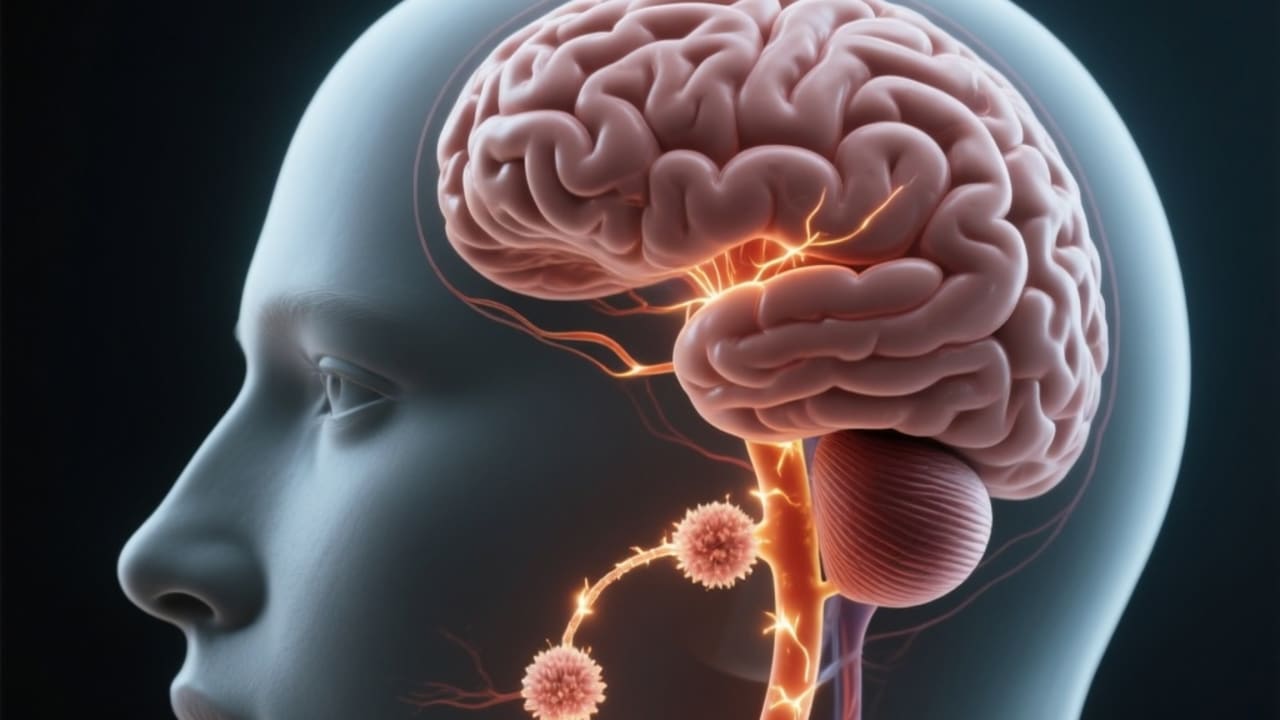
Most people blame weak willpower. The real culprit is a rewired stress system. Chronic overload keeps the brain’s threat circuits—and your cortisol—on a short fuse, which blunts motivation and frays attention. That’s why even small tasks feel uphill.
Think of your nervous system like a car stuck in second gear: revving high, going nowhere fast. A 2025 editorial in Scientific Reports reviewed how burnout maps onto emotional exhaustion, depersonalization, and reduced accomplishment—and how protective traits like optimism and resilience can buffer stress when practiced intentionally.
Most of us have been there—snapping at a harmless email, then wondering why we’re “overreacting.” You’re not broken; your alarm system is just too loud, too often.
Why “More Self‑Care” Stops Working
Baths, walks, and sleep routines help—until work creep, notifications, and invisible expectations flood back in. When stress inputs stay high, relief rituals can feel like bailing water with a teacup.
Coverage of Shaina Siber’s science‑based burnout blueprint highlights two therapies worth attention: Acceptance and Commitment Therapy (ACT) and Compassion‑Focused Therapy (CFT). They don’t promise to erase hard realities; they train you to notice difficult thoughts, relate to them differently, and choose actions aligned with your values despite discomfort (News‑Medical, 2026).
Relatable moment: you block a Friday afternoon for “recovery,” but a “quick” request derails it. ACT would call that a values conflict—urgent vs. important—and offers skills to hold the tension without abandoning yourself.
Small Levers, Big Relief: Micro‑Resets You Can Use Today
When your day is stacked, you need interventions that fit between meetings. Progressive Muscle Relaxation (PMR) takes 1–2 minutes: gently tense a muscle group as you inhale, release on the exhale, then move on. It signals safety to the nervous system, like turning down the volume on a smoke alarm after you’ve checked the kitchen.
A 2019 study referenced by NIH reported that PMR may reduce symptoms of anxiety, stress, and depression—benefits that translate to calmer focus at work. Even a short PMR “scan” (hands, shoulders, jaw) can help before a tough call.
Try this micro‑sequence: unclench your jaw; press toes into the floor for 5 seconds, release; draw shoulders up for 3, drop; slow exhale for 6. Two rounds. Back to baseline—enough to make a better decision.

Skills That Stick: ACT and Compassion in Real Life
ACT gives you three power tools: present‑moment attention (notice), cognitive defusion (unhook), and values‑based action (choose). Instead of “I can’t handle this,” you practice, “I’m noticing the thought that I can’t handle this,” which often softens its grip. CFT adds warmth where shame usually shows up—essential when you’ve missed a workout or deadline and want to give up.
News‑Medical’s feature on ACT/CFT for burnout emphasizes that pain and challenge are inevitable at work and in life; the goal isn’t zero stress, it’s flexible responding under stress. An NIH review of post‑COVID mental health echoes the need for long‑term, accessible interventions and resilience building, not quick fixes.
Scenario check: your brain is spinning after a tense 1:1. Two minutes of PMR, then an ACT move—name your top value (e.g., fairness), choose one tiny action (clarify expectations in writing). You exit the spiral with a step you can own.
Why This Matters
Burnout shows up in everyday moments: snapping at a partner after a late Slack, forgetting simple words in a meeting, skipping lunch for the third day. Changing your relationship with stress changes those moments. It means fewer knee‑jerk yeses, steadier energy by 3pm, and more evenings that feel like yours again.
Recovery isn’t about perfect calm. It’s about becoming the kind of steady that still shows up when life gets loud.
What You Can Do Today
- Run a 2‑minute PMR reset before high‑stakes tasks. Hands, shoulders, jaw—tense on inhale, release on exhale. Research suggests this may lower immediate stress.
- Practice “name and unhook.” When a harsh thought hits, say, “I’m noticing the thought that…” This ACT skill may reduce rumination and help you choose your next step.
- Protect one no‑meeting block weekly for deep work or recovery. Even 60 minutes can reduce context switching and perceived overload.
- Do a values check‑in on Sunday: pick two work values (e.g., learning, clarity). Schedule one small action for each. Tiny, values‑led wins rebuild momentum.
- Get support if symptoms persist or worsen. Discuss ACT/CFT‑informed care with a licensed therapist; workplace accommodations or stress‑management training may help.
You don’t need a total life overhaul to feel different next week. A few smart levers—micro‑resets, values‑based choices, and real boundaries—can turn the volume down enough to move again. If this helped, share it with a teammate who’s running on fumes.
Frequently Asked Questions
Many people feel a shift within 1–2 minutes—especially in jaw, shoulders, and breath. PMR won’t remove the stressor, but it may lower your body’s alarm so you can think more clearly.
Often, yes. Adjusting workload isn’t always optional, but ACT/CFT skills, protected focus blocks, and micro‑resets can reduce strain. If symptoms are severe or persistent, consider medical and workplace support.
ACT includes mindfulness, but it adds defusion (unhooking from thoughts) and values‑based action. The goal isn’t calm for its own sake—it’s doing what matters, even with discomfort.