
Most people blame their DNA for how long they’ll live. But genetics explain far less than you think—roughly a quarter of lifespan—while your daily habits do the heavy lifting.
Here’s the thing: the needle-movers aren’t extreme. They’re small, repeatable choices—how you walk, when you sleep, how long you sit—that quietly stack up. And they don’t require a wellness budget or a biohacker’s calendar.
If you’ve ever wondered which actions actually add healthy years (not just years), this is your short list—grounded in research, designed for real life.
- Walk with intent: 7–8k steps most days may deliver big longevity benefits—10k isn’t mandatory.
- Break long sits: Stand or stroll for 2–3 minutes every 30–45 minutes to reduce risk markers.
- Sleep on schedule: A steady 7–8 hours with a 10–11 pm bedtime is linked to better heart health.
- Eat for your future self: Mediterranean-style patterns support heart and brain health over time.
- Counterintuitive: A brisk 12-minute walk can spark cellular benefits—even if you missed the gym.
Walk Like It Matters (Because It Does)
You know that feeling when a “quick walk” clears your head better than coffee? There’s more going on than mood. A 2021 paper in JAMA Network Open found adults averaging 7,000+ daily steps had substantially lower mortality risk than those below 7,000—without any magic at 10,000.
Think of steps as deposits into your healthspan account. Brisk clusters count. So does walking for errands, stairs, and short after-meal loops that help your body handle glucose.
Break Up Long Sits
Picture this: back-to-back Zooms, three hours gone. Your body notices. Prolonged sitting is linked to higher cardiometabolic risk, even in people who exercise. Mini-interruptions—2–3 minutes of standing, calf raises, or a hallway stroll every 30–45 minutes—act like tiny reset buttons.
Practical move: set a silent timer or pair “stand up” with natural breaks—calls, emails sent, or finishing a meeting agenda item.
Sleep: The Longevity Lever Most People Underestimate
Most people have been there—wide awake at midnight, then dragging through the next day. Sleep quantity matters, but regularity might matter more than you think. A 2021 study in European Heart Journal – Digital Health tracking UK adults reported the lowest cardiovascular risk when sleep onset fell between 10–11 pm, independent of sleep length.
Translation: your internal clock likes consistency. Anchor your bedtime and wake time within an hour most days, aim for 7–8 hours, and give yourself a 30–60 minute dim-light “landing strip.”
The 3 pm Choice That Shapes 11 pm
Caffeine after midafternoon, intense late workouts, and doomscrolling under bright screens push your clock later. A short morning walk in daylight + a wind-down ritual at night can nudge your rhythm earlier—like setting a gentle metronome for your brain.
Midlife Activity Predicts Later-Life Payoffs
Here’s what nobody tells you about “getting serious later”: your body remembers the pattern, not just the peak. A 2019 analysis in JAMA Network Open found adults who maintained moderate-to-vigorous activity across adulthood had lower mortality risk than those staying inactive—whether they started early or got consistent in midlife.
That’s good news if you’re 30–45 and busy. It’s less about perfect programs and more about showing up—like brushing your teeth. Three 20–30 minute brisk walks or rides this week beats one heroic workout you skip for the next two.
Strength Is a Longevity Multiplier
Muscle is “metabolic luggage” you want to carry. It supports insulin sensitivity, joint health, and independence later. Two short total-body sessions weekly—think push, pull, hinge, squat—may help you keep moving well into your 70s.

Food, Sunlight, and Your Cells—Without Extremes
You don’t need a rigid plan. Patterns win. In the reanalyzed PREDIMED trial (NEJM, 2018), a Mediterranean-style diet rich in olive oil, nuts, vegetables, legumes, and fish lowered major cardiovascular events in at‑risk adults—one reason it’s linked with longer, healthier living.
Vitamin D? It’s essential for bone and immune health, and low levels are common. Large randomized trials (like VITAL in NEJM, 2019) didn’t find vitamin D supplements reduced major cardiovascular events or cancer in generally healthy adults, but maintaining sufficient blood levels still makes sense—ideally via safe sun, food, and, if needed, supplements discussed with a clinician.
A Word on Mitochondria
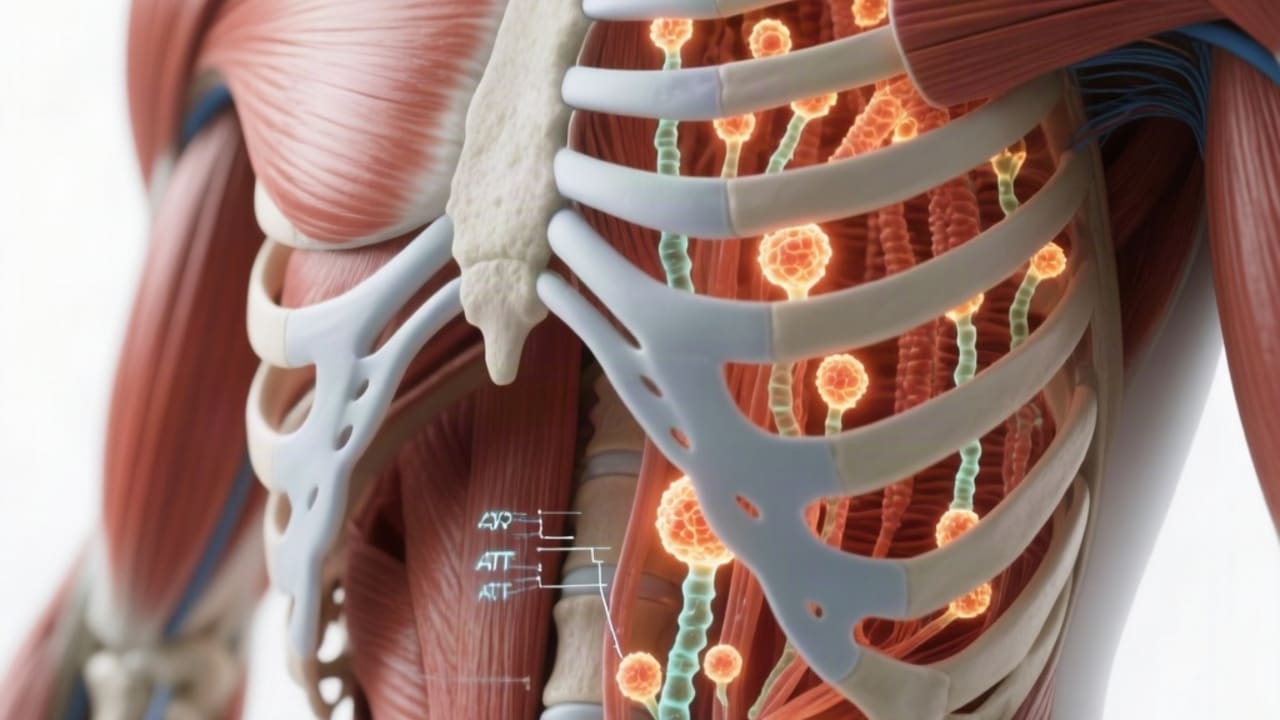
Your mitochondria—your cells’ power plants—respond to everyday choices. Endurance-style movement (brisk walking, cycling) and adequate protein signal your muscles to build and protect these tiny engines, which is one reason modest, consistent exercise is repeatedly tied to healthier aging in reviews of cellular biology.
Picture this: a 12-minute brisk walk after dinner. It’s small, but at a cellular level, it’s like opening windows and clearing the air.
Why This Matters
Habits aren’t about being “good.” They’re about making tomorrow easier. When you take a short walk after lunch, you don’t just score steps—you set up steadier energy for your 3 pm meeting and better sleep later. When you aim for lights out at 10:30, your morning feels different—less scramble, more margin.
Small moves compound. The real win isn’t extra years at the end—it’s better days this week.
And that’s the point: longevity isn’t an abstract future prize. It’s feeling more present—with your kids, at work, on a Saturday hike—because you’ve built a body and brain that can show up.
What You Can Do Today
- Hit 7–8k steps most days: Add a 10–15 minute walk after two meals; take calls on foot. Research suggests benefits kick in well before 10k.
- Break up sitting: Every 30–45 minutes, stand or stroll for 2–3 minutes. It may help your glucose, blood pressure, and focus.
- Protect your sleep window: Aim for 7–8 hours with a 10–11 pm lights-out. Keep your bedroom cool, dark, and quiet; dim screens an hour before bed.
- Mediterranean-leaning plate: Base meals on plants, olive oil, fish, legumes, and nuts. This pattern is linked to lower cardiovascular risk over time.
- Check your D—don’t guess: If you suspect low vitamin D, ask your clinician about a blood test. Supplementing to reach sufficiency may help; mega-doses aren’t better.
Start with one change you can repeat this week. Share this with a friend who’ll walk that after-dinner loop with you—and keep each other accountable.
Frequently Asked Questions
Research suggests 7,000–8,000 daily steps are associated with lower mortality risk, with benefits increasing up to that range. If 10k feels daunting, focus on brisk bouts and consistency.
Evidence links sleep onset between 10–11 pm with lower cardiovascular risk, assuming you still get 7–8 hours. More important than the exact time is keeping a steady schedule most days.
Aim for sufficient vitamin D levels, ideally checked with a blood test. Large trials haven’t shown broad longevity benefits from routine high-dose supplements, but correcting a deficiency may support overall health.