
If you’ve tried “anti-inflammatory” eating and still feel bloated, achy, or foggy, here’s the thing: your gut microbes are doing a lot of the talking. The food you choose doesn’t just fuel you — it feeds a vast ecosystem that can dial your immune system up or down.
What’s surprising is how fast this conversation can change. Research across 2024–2025 tightened the links between diet quality, the gut microbiome, and inflammatory conditions, from metabolic health to inflammatory bowel disease (IBD). And it’s not only about when you eat. It’s about what your microbes can actually do with what you feed them. With Digestive Disease Week 2026 on the horizon, expect even sharper guidance on how to eat for a calmer gut — and a cooler immune response.
Your microbes, your inflammation thermostat
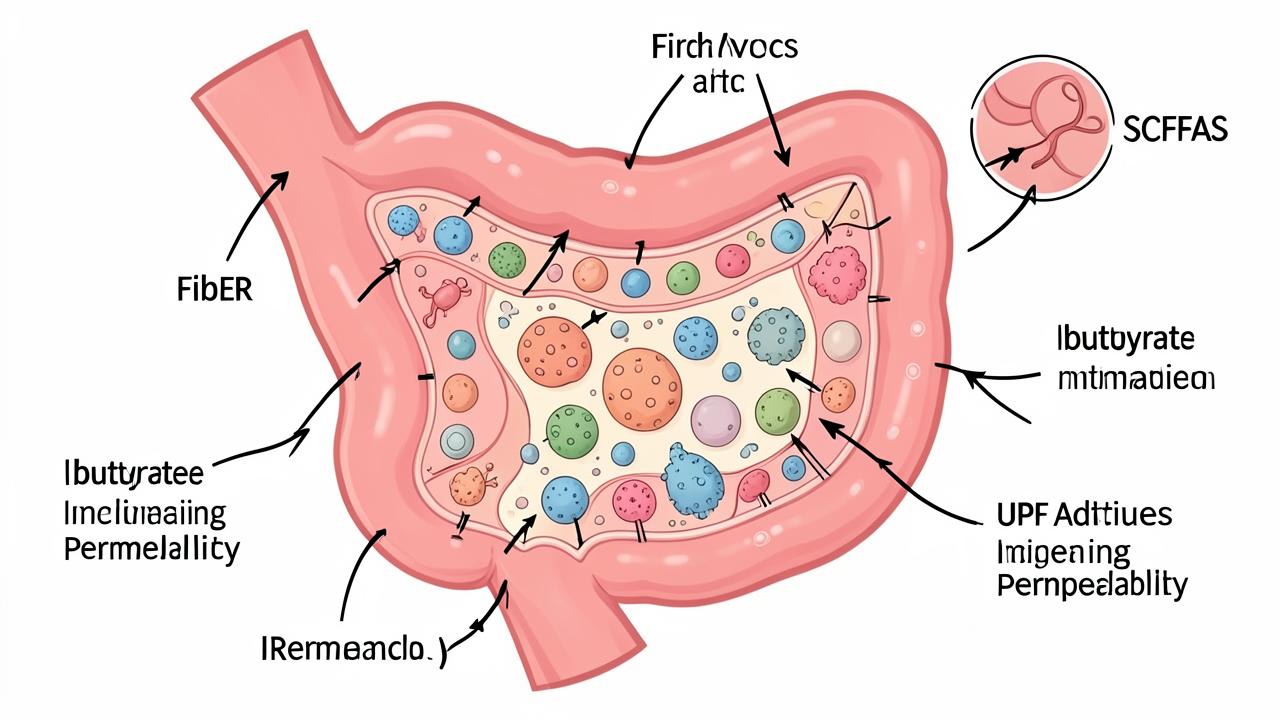
Most people have been there — a virtuous salad one day, a grab‑and‑go packaged meal the next, and your stomach lets you know it noticed. Because your microbiome — trillions of bacteria, fungi, and their genes — transforms your meals into chemical signals. Some are peacekeepers (short‑chain fatty acids like butyrate). Others, when they seep across a frayed gut barrier, whip up the immune system.
Fiber and polyphenols are the headliners for peacekeeping. Microbes ferment fibers into butyrate, which helps tighten intestinal junctions and temper inflammation. Polyphenols — the plant pigments in berries, olive oil, herbs, cocoa, tea — aren’t just “antioxidants.” They reshape microbial communities and blunt pro‑inflammatory signaling. At NeuroGASTRO 2025, a polyphenol‑rich pattern was linked to reduced intestinal permeability and lower gut‑derived inflammatory mediators, even in older adults. Translation: quality plants matter at any age.
It’s not the calories — it’s the chemistry and the context your microbes create.
IBD, food intolerances, and what microbes can’t do
Picture this: you swear onions “hate you,” apples trigger cramps, and beans are a non‑starter. For people with IBD, that’s not just finicky digestion. At DDW 2025, presenters highlighted a plausible reason — a defective metabolic capacity of the microbiome may explain certain food intolerances. If the right bugs (or their enzymes) aren’t present, perfectly healthy foods can ferment the wrong way, driving gas, bloating, and symptoms.
A 2024 study in Microbiome used metaproteomics — essentially, reading the proteins microbes are actually making — to show that diet shifts microbiome function in Crohn’s disease, and that disease location matters. The kicker: participants with poorer diet quality had more pro‑inflammatory species, many from the mouth, thriving in the gut. And time‑restricted feeding by itself didn’t fix it. The takeaway isn’t “never fast,” it’s “don’t mistake a schedule for a strategy.”
Zooming out, a 2025 paper in Nature charted the global evolution of IBD, underscoring how environment and diet interact with the microbiome as incidence rises. It aligns with what clinicians see: sustainable symptom control often requires upgrading diet quality — not just removing triggers.
Quality over clock: what to eat now
But what does that actually mean for your Tuesday morning? Build meals that nourish your microbes and calm your immune system — then worry about timing. Here’s a practical, anti‑inflammatory pattern grounded in current evidence.
Make plants do the heavy lifting
- Go for variety: aim for many different plants weekly (vegetables, fruits, legumes, whole grains, nuts, seeds). Different fibers feed different microbes.
- Hit fiber gradually: 25–38 g/day is a solid ballpark; scale up over weeks with water to reduce bloating.
Double down on polyphenols
- Everyday anchors: extra‑virgin olive oil, berries, dark‑leafy greens, colorful herbs (parsley, oregano), green or black tea, cocoa with minimal sugar.
- Why: NeuroGASTRO 2025 highlighted that polyphenol‑rich patterns reduced “leaky gut” signals and pro‑inflammatory mediators — benefits seen even in advanced age.
Choose fats that soothe
- Seafood 2x/week (salmon, sardines, trout) for EPA/DHA; plant sources like walnuts, chia, flax for ALA.
- Use olive oil as your default cooking fat; it’s rich in polyphenols plus heart‑friendly monounsaturates.
Invite fermented foods to the table
- Yogurt or kefir daily; small servings of kimchi, sauerkraut, miso, tempeh through the week.
- A 2021 randomized trial from Stanford published in Cell found a fermented‑foods diet increased microbiota diversity and reduced inflammatory markers.
Sidestep ultra‑processed traps
- Frontiers’ 2026 agenda for nutrition science elevates the UPF concept: it shifts focus from single nutrients to processing. Emulsifiers, refined starches, and additives can distort satiety and, in some studies, nudge the gut barrier and microbiota in the wrong direction.
- Label check: if it reads like a chemistry set and you can swap it for a simple whole‑food option, do that most of the time.
If you’re dealing with IBD
During flares, a short, structured low‑residue or low‑FODMAP phase can reduce mechanical and fermentative stress — but it’s a bridge, not a destination. Work with your care team to reintroduce tolerated fibers and polyphenol‑rich foods, targeting a Mediterranean‑style pattern in maintenance. The goal is to restore microbial function, not permanently shrink your menu.

The next wave: precision nutrition that includes you
Here’s where it gets exciting. A “Goals in Nutrition Science 2025–2030” perspective (Frontiers) outlines how AI and richer food composition data will translate microbiome science into context‑specific advice — grounded in mechanisms, validated by outcomes, and feasible in real life. That means fewer one‑size‑fits‑all rules and more “this works for your biology, budget, and culture.”
On the biomarker front, researchers are testing signals beyond stool. For instance, bacterial DNA in blood is emerging as a potential flag for barrier dysfunction and higher inflammatory risk — a clue that could help identify who benefits most from targeted dietary upgrades. Expect Digestive Disease Week 2026 to surface more on standardized methods and clinically meaningful endpoints so advice moves from association to causality.
That said, the fundamentals aren’t waiting on new gadgets. If you consistently feed microbes the building blocks for butyrate and other calming compounds — diverse fibers, polyphenols, quality fats, fermented foods, fewer ultra‑processed hits — you’re already practicing precision nutrition where it counts: your plate.
Actionable takeaway: your next 7 days
- Pick a plant “anchor” each meal: leafy greens at lunch, beans at dinner, berries at breakfast.
- Swap one ultra‑processed snack for nuts plus a piece of fruit (polyphenols + fiber) daily.
- Cook with extra‑virgin olive oil; add herbs aggressively — oregano, thyme, rosemary, parsley.
- Add 1 fermented food serving daily (yogurt/kefir or a forkful of kimchi/sauerkraut).
- Seafood twice this week; on other days, sprinkle ground flax or chia on meals.
- If sensitive to fibers, introduce in teaspoons, not cups — and pair with water.
- Keep your eating window consistent if you like it — but don’t let timing replace quality.
Because when your microbes have the right tools, they turn food into signals that strengthen your gut lining and quiet immune overreaction. That’s the quiet, daily chemistry of anti‑inflammatory eating — and it starts in your gut.