
You can feel the difference between a meal that leaves you steady and a meal that leaves you puffy, wired, and weirdly hungry again. That’s not just vibes—it’s biochemistry. Your gut microbes are metabolizing what you eat into signals that either soothe inflammation or stoke it.
Here’s the thing: the strongest signal from 2025–2026 research isn’t “eat less.” It’s “eat better.” Multiple teams highlighted that diet quality—fiber diversity, polyphenols, minimally processed foods—does more for a healthy, anti-inflammatory microbiome than clever eating windows or calorie math alone. And yes, the ultraprocessed food (UPF) conversation is real, with growing evidence that what’s taken out of foods (fiber, matrix) and what’s put in (emulsifiers, sweeteners) matter to your microbes.
What “anti-inflammatory” eating really does
Most people have been there—salad one day, takeout the next—and wonder why energy, digestion, and mood yo-yo. Your microbes are part of the explanation. When you feed them fermentable fibers and polyphenols, they spin those into short-chain fatty acids (SCFAs) like butyrate, which strengthen the gut barrier and tune immune cells toward calm. Processed, low-fiber meals? That production line slows, the barrier loosens, and pro-inflammatory mediators can creep up.
How microbes turn plants into “medicine”
A 2025 roundup from Gut Microbiota for Health emphasized the field’s shift to mechanisms: not just “what’s in your gut,” but what it’s doing. In parallel, NeuroGASTRO 2025 highlights reported that a polyphenol-rich dietary pattern reduced intestinal permeability and lowered pro-inflammatory, microbe-derived mediators—even in older adults. Translation: colorful plants aren’t a garnish; they’re instructions for anti-inflammatory chemistry.
Because nuance matters, here’s a quick reality check: anti-inflammatory eating is a pattern, not a single superfood. Think higher-fiber plants in many forms, healthy fats, and minimally processed proteins—regularly, not perfectly.
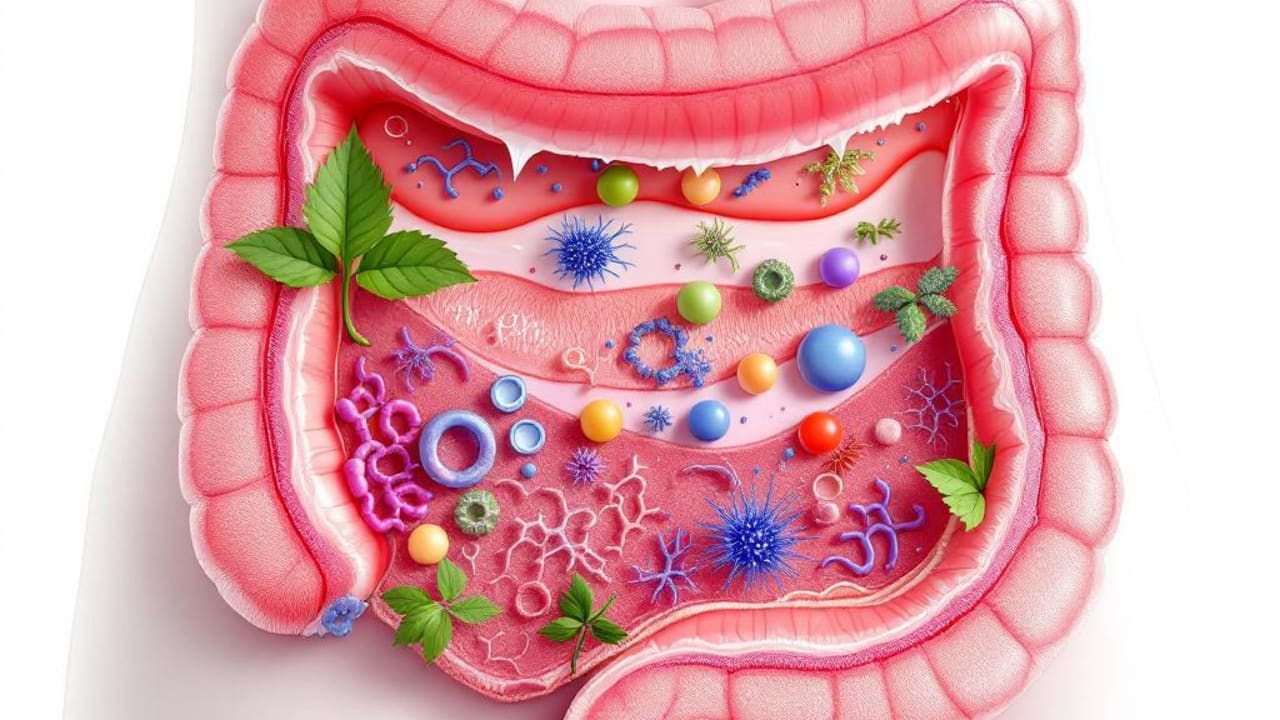
Ultra-processed foods: small print, big effects
Picture this: you’re racing between meetings and grab a “protein” bar with a 22-ingredient label and neon glaze. It feels efficient. Your microbiome disagrees. The UPF concept—now common in nutrition science—flags products made mostly from refined starches, added sugars, seed oils, and cosmetic additives, with the original food matrix stripped away.
Why processing matters to microbes
- Low intrinsic fiber means fewer substrates for SCFA production—less butyrate, weaker gut barrier tone.
- Emulsifiers and certain sweeteners can alter microbial communities and mucus layers in experimental models.
- Hyper-palatable combinations nudge overconsumption while under-delivering on micronutrients and phytochemicals.
A 2025 IBD research summary suggested that poor-quality diet patterns encourage a bloom of pro-inflammatory, often oral-origin microbes in the gut—an ecological red flag. And observational work has tied sugary beverages to higher diabetes risk, with 2025 reports pointing to microbe-derived metabolites as a plausible link. Not exactly news, but the “how” is clarifying.
Spotting UPFs in the wild
- Long ingredient lists with isolates (e.g., maltodextrin, protein isolates) and emulsifiers (polysorbates, carboxymethylcellulose).
- Sweetened drinks—soda and “functional” teas or coffees count, even when labeled organic.
- Reconstituted meats and “crispy” anything that’s shelf-stable for months.
Diet quality beats eating-window wizardry. If your plate is mostly ultraprocessed, a smaller window just compresses the same signals your microbes don’t love.
Synbiotics, fiber, and ferments: the microbiome boost
What’s surprising is how quickly the microbiome can respond. A 2026 pilot from the University of Nottingham reported that pairing fermented kefir with a diverse prebiotic fiber mix over six weeks delivered an anti-inflammatory effect—essentially a synbiotic strategy (probiotic + prebiotic) that lets beneficial microbes show up and thrive.
Build fiber diversity, not just fiber grams
You know that feeling when you hit your “fiber target” with a single powder? Useful, but incomplete. Different microbes eat different fibers. Blending sources—oats (β-glucan), beans and lentils (galacto-oligosaccharides), green bananas or cooled potatoes (resistant starch), onions/garlic/chicory (inulin), and nuts/seeds—feeds a wider workforce, typically yielding more butyrate and a calmer gut.
Fermented foods, thoughtfully
Yogurt, kefir, live sauerkraut, kimchi, natto—small daily doses support microbial diversity and may dial down inflammatory markers in some groups. If you’re sensitive (IBS, active IBD), start slow and choose gentler options (plain yogurt, diluted kefir) to avoid a symptom flare while your ecosystem adapts. And remember: ferments complement, not replace, fiber-rich whole plants.

Actionable Takeaway
Because “eat better” is annoyingly vague, here’s a weekly playbook that respects both science and real life.
Your anti-inflammatory plate—made simple
- Make half your plate plants at most meals—mix cooked and raw for fiber variety and better tolerance.
- Hit ~25–35g fiber/day from diverse sources; count plants per week (aim for 20–30+) to drive SCFA diversity.
- Go polyphenol-forward: berries or cherries; herbs and spices (turmeric, oregano, cinnamon); extra-virgin olive oil; dark leafy greens; green or black tea.
- Add omega-3s 2–3 times/week (salmon, sardines, trout) or a tested algae oil if you’re plant-based.
- Include 1–2 fermented servings most days (plain yogurt or kefir, unpasteurized sauerkraut/kimchi).
- Prioritize minimally processed proteins: eggs, tofu/tempeh, legumes, plain Greek yogurt, nuts/seeds; rotate to reduce monotony and maximize micronutrients.
- Limit UPFs: packaged sweets, chips, reconstituted meats, and sweetened drinks. Swap soda/energy drinks for sparkling water with citrus, tea, or coffee without syrups.
- Cook more at home, simply: roast a sheet pan of veg in olive oil; pressure-cook beans; batch-cook whole grains to cool (hello, resistant starch) and reheat through the week.
- Use gentle heat more often than charring; add an acid (lemon, vinegar) and herbs to brighten and reduce oxidative byproducts.
- Mind the rhythm: a consistent daytime eating window supports metabolic signals, but quality wins—don’t sacrifice fiber and polyphenols for a shorter clock.
A day that works (no perfection required)
- Breakfast: Plain kefir blended with oats, frozen berries, chia, and a drizzle of olive oil.
- Lunch: Lentil–farro bowl with roasted broccoli, arugula, cherry tomatoes, herbs, and tahini–lemon dressing.
- Snack: Apple with almonds; green tea.
- Dinner: Salmon (or marinated tofu), garlicky Swiss chard, roasted sweet potato; side of live sauerkraut.
- Dessert: Dark chocolate (70%+) and orange slices.
Budget or time tight? Batch-cook beans and grains on Sundays; stock frozen veg and berries; keep canned fish, tofu, and eggs on hand; buy store-brand EVOO; and choose one fermented staple (plain yogurt) you’ll actually eat.
One more nuance from IBD research circles: some food intolerances may reflect a microbiome’s reduced metabolic capacity, not a forever “can’t eat this.” With coaching and gradual exposure—especially to fibers and ferments—tolerance can improve. But if you have active IBD or significant symptoms, coordinate changes with your clinician.
What does this mean for your Tuesday morning? Reach for foods your microbes can turn into calm: diverse fibers, colorful plants, ferments, and fewer UPFs. Simple, repeated, and boringly consistent. That’s the point.