
Most people blame workload when the real cause is quieter: recovery debt. You keep pushing, but your brain and body haven’t had a real chance to reset—so even small tasks feel heavy.
Picture this: it’s 3pm, your shoulders are at your ears, and Slack won’t stop. You promise yourself a “better routine” next week, but today you white-knuckle till bedtime. Here’s the thing—burnout often creeps in not from one huge stressor, but from days without enough micro-recovery baked in.
The fix isn’t a month-long sabbatical. It’s strategic, science-backed nudges that restore capacity while life keeps moving.
- Think “recovery debt,” not just “too much work”—stress without regular resets drains energy systems.
- Micro-breaks under 10 minutes may reduce fatigue and boost vigor at work.
- Hope, optimism, and humor act as protective buffers against burnout.
- Movement snacks—even 5 minutes—can calm stress circuits and protect the brain.
- Counterintuitive: A 60–120 second slow-breath or step-away break can restore more focus than “powering through.”
You’re Not Just Stressed—You’re Under-Recovered
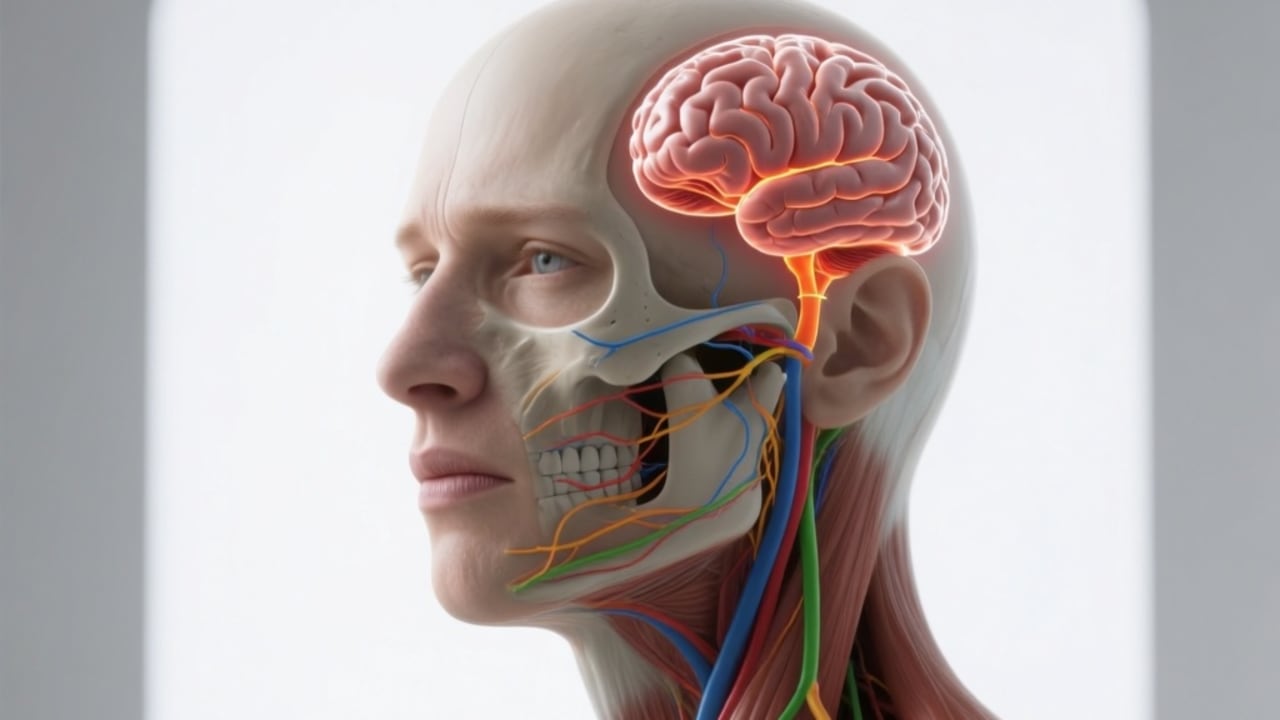
Chronic stress isn’t just “feeling overwhelmed.” It changes how multiple systems—immune, metabolic, and neural—talk to each other. When recovery windows shrink, those systems get stuck in high alert. A 2016 open-access review on the NIH repository reported that chronic stress disrupts body–brain communication across many levels, and that activating skeletal muscle via physical exercise may relieve stress symptoms and help protect the brain (PMC5137920).
Think of your nervous system like a phone with every app running. If you never close the tabs (brief resets), your battery drains fast—no matter how new the phone is. Recovery debt builds when we skip tiny recharging moments: sunlight, a walk, breath work, an actual lunch.
The real kicker: waiting for a “free weekend” doesn’t pay back weekday debt. Frequent, small resets during the day do.
The Unexpected Protectors: Hope, Optimism, and Humor
Burnout isn’t only about workload; it’s also about how we buffer it psychologically. A 2025 editorial in Scientific Reports reviewing burnout research highlighted protective factors—optimism, humor, and resilience—as meaningful buffers, and emphasized the role of hope-building in mitigating stress-related exhaustion (Scientific Reports, 2025).
Hope isn’t toxic positivity. It’s the skill of spotting a next step when things feel stuck. Picture a bad week: instead of “I’m failing,” you ask, “What’s one move I control before 5pm?” That tiny shift can change physiology—less rumination, more action—and over time, it’s like adding shock absorbers to a bumpy road.
Humor works similarly. Not to minimize real stress, but to unhook from it for a minute. A shared laugh in a team chat can reduce emotional distance and restore a sense of personal agency.
Micro-Breaks Beat “Powering Through”
Micro-breaks—brief pauses under 10 minutes—aren’t laziness; they’re maintenance. A 2022 meta-analysis in PLOS One reported that micro-breaks improved well-being and reduced fatigue, even when they were just a few minutes long (PLOS One, 2022).
Most people have been there—staring at the same sentence for 12 minutes. Two minutes of slow breathing by a window, a short stretch, or a hallway lap can reset attention more effectively than hammering the keyboard. And because they’re so short, you’re more likely to actually do them.
Try a simple cadence: 25–50 minutes on, 2–5 minutes off. Treat the reset like brushing your teeth—non-negotiable, quick, and preventive.

Why This Matters
Life probably won’t get radically less busy this month. That said, your stress system is extremely trainable. Which means small, repeated inputs—breath, light, movement, reframing—can shift how your days feel, even if your calendar stays full.
“Burnout isn’t a personal failure. It’s a signal your recovery inputs don’t match your daily load—yet.”
When your capacity goes up, you don’t just “cope” better—you make clearer choices, set cleaner boundaries, and actually enjoy the people and projects you care about. That’s the point.
What You Can Do Today
- Schedule micro-breaks: Every 30–60 minutes, take a 2–5 minute pause—stand, stretch, or practice slow breathing. Research suggests these brief resets may lower fatigue and improve focus.
- Movement snacks: Add 5–10 minutes of brisk walking or light mobility 2–3 times daily. The NIH-backed review noted that activating skeletal muscle may protect the brain under stress; even short bouts can help.
- Morning light, evening dim: Aim for 5–15 minutes of outdoor light within an hour of waking, and dim screens late. This may support steadier mood and sleep, which can help with stress management.
- Hope reps: Write one “small win” and one “next step” at day’s end. This simple practice may build optimism and resilience over time—both linked to lower burnout risk.
- Boundaries you can keep: Pick one easy rule (no email on your phone after 8pm, or a real lunch away from your screen). Tiny, consistent boundaries often beat big, unsustainable rules.
- Nutrition nudges: Build lunches around protein, fiber, and healthy fats; keep caffeine earlier in the day. Many people find this steadies energy and reduces afternoon stress spikes.
- Get support when needed: If stress is affecting sleep, appetite, mood, or safety, it’s worth discussing options with a clinician. Therapies like CBT, DBT, or EMDR may help some people navigate stress and burnout.
You don’t need a perfect routine—just reliable signals to your brain that you’re safe and resourced. Share this with the friend who “powers through” everything, then take a two-minute break together. Your future self will feel the difference.
Frequently Asked Questions
Research suggests micro-breaks under 10 minutes can reduce fatigue and improve well-being. Try 2–5 minutes of movement or slow breathing every 30–60 minutes.
Yes. Burnout reflects chronic stress and recovery debt, not just job satisfaction. Loving your work helps, but you still need regular recovery habits and boundaries.
Add one protected micro-break to your calendar every hour. Pair it with a quick walk or slow breathing and a sip of water—easy, repeatable, and effective.