
You open your laptop and your brain stalls — like a spinning beach ball. The words are there somewhere, but it’s all static. You reread the same line three times. Still nothing.
Most people blame laziness or too little coffee. Here’s the thing: it’s often your stress chemistry rerouting brain power away from focus and into survival mode. That “fog” is a feature — not a flaw — and once you know what’s driving it, you can soften it fast.
- Cortisol and adrenaline can mute your prefrontal cortex, the brain’s focus hub — think survival first, spreadsheets later.
- Fog tends to fluctuate with stress load, sleep debt, and hormones (especially in late 30s–40s).
- Perimenopause can amplify stress sensitivity; many notice improvement after the transition.
- Counterintuitive: 3–10 minutes of movement may clear your head more than another coffee.
- Simple shifts — breathwork, light exercise, sleep timing, and smart caffeine — may help clarity within days.
Your fog isn’t laziness — it’s cortisol on repeat
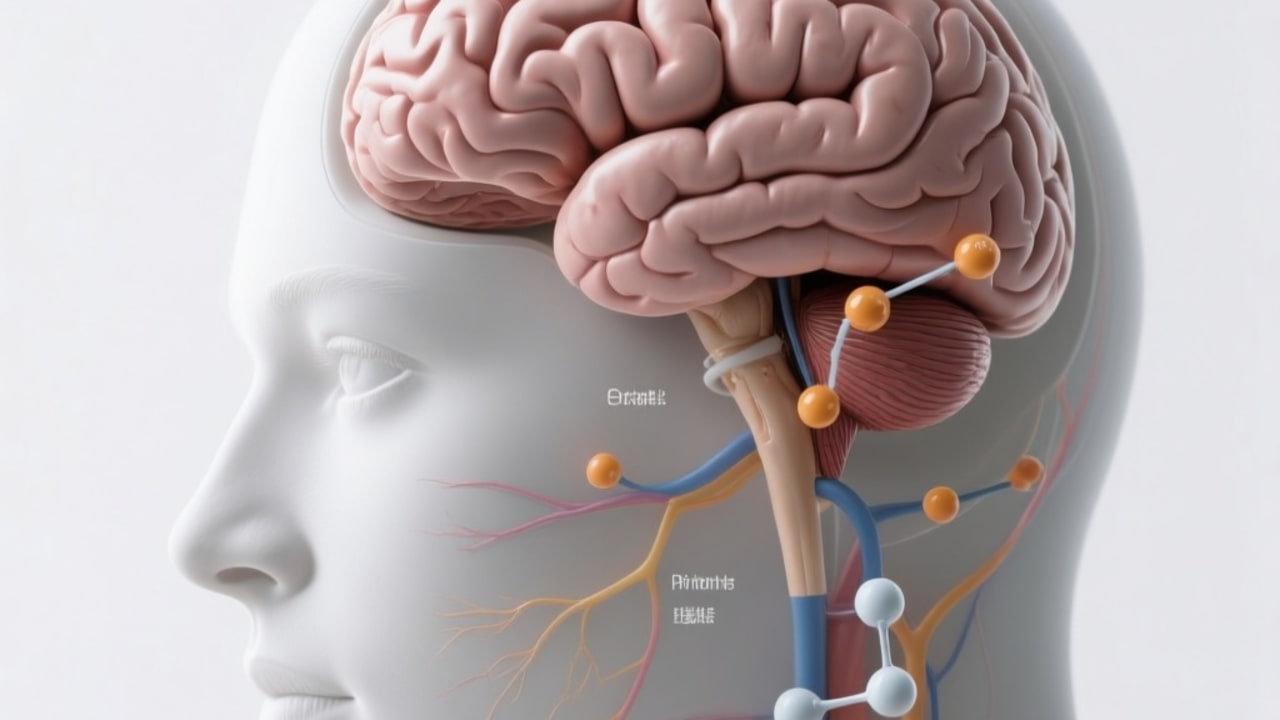
Picture this: a tense email lands, your heart ticks up, and suddenly it’s harder to hold a thought. Under stress, cortisol and catecholamines (like adrenaline) prioritize quick reactions over deep thinking. The result? The prefrontal cortex — the part that manages working memory, planning, and word-finding — goes a bit offline.
A widely cited 2009 review in Nature Reviews Neuroscience (Lupien and colleagues) describes how chronic stress hormones can shrink connections in the hippocampus and alter prefrontal function linked to attention and memory. And at Yale, Dr. Amy Arnsten’s lab has shown that acute stress can rapidly weaken prefrontal circuits that support working memory, nudging you toward short, reactive thinking rather than sustained focus.
Here’s the real kicker: the more you judge yourself for the fog, the more stress chemistry you create — a loop that keeps clarity just out of reach. Breaking the loop starts with understanding it’s biological, not a character flaw.
Why brain fog peaks in your late 30s–40s
If you’ve noticed foggier days in your late 30s or 40s, you’re not imagining it. During perimenopause, estrogen fluctuates — and estrogen helps modulate neurotransmitters (like dopamine and acetylcholine) that support memory and attention. When levels swing, your brain can feel wobbly even if labs look “normal.”
The long-running Study of Women’s Health Across the Nation (SWAN) has reported that cognitive slips are most noticeable during late perimenopause and often improve after menopause. Many women describe word-finding hiccups, mental slowness, and distractibility that ebb and flow, especially when hot flashes or poor sleep pile on.
Stress makes those swings louder. Because estrogen also influences how stress circuits fire, fluctuating hormones can increase your sensitivity to everyday stressors — the same workload suddenly feels heavier. The upshot: you’re not “losing it”; your brain is operating under a shifting chemical weather system.
The sleep–stress loop that muddies your memory
You know that feeling when one short night turns into three, and everything starts to smear together? Sleep loss ramps up stress hormones and dulls attention. And it also blocks the very process that helps you think clearly the next day.
A landmark 2013 paper in Science (Xie and colleagues) showed that sleep supports the brain’s “glymphatic” system — a nighttime rinse that helps clear metabolic byproducts. Less quality sleep, more leftover “noise,” and your cognitive signal feels weaker. Meta-analyses of sleep restriction also link short nights to poorer working memory and slower reaction time, which most of us experience as classic brain fog.
The twist: chasing sleep with late caffeine or doomscrolling under bright screens pushes bedtime later and fragments the very sleep you need. Small timing tweaks — consistent wake time, earlier light, and wind-down — can move the needle more than a heroic weekend “catch-up.”

Fast resets that actually help (with science)
When focus goes fuzzy mid‑day, it’s tempting to power through. Better: hit a quick physiological reset. Short, strategic inputs can lower arousal just enough for your prefrontal cortex to come back online.
A 2022–2023 line of research on breathwork found that brief daily controlled breathing — especially extended exhales — may reduce perceived stress more than passive mindfulness practice for some people. And single, short bouts of moderate activity are linked with immediate bumps in executive function in multiple reviews of “exercise snacks.” Translation: three minutes of brisk stairs can beat another espresso.
For hormone-related fog, experts from the North American Menopause Society note that addressing sleep and vasomotor symptoms (hot flashes) often improves daytime clarity. Some people discuss hormone therapy with their clinicians; others focus on sleep, exercise, and stress skills first. Different paths, same goal: calmer chemistry, sharper focus.
Why this matters
This isn’t about hacking your way to superhuman productivity. It’s about getting your brain back for the stuff you actually care about — the meeting where your idea lands, the conversation where you find the right words, the drive home where you remember the turn without the GPS.
Brain fog isn’t a personal failure; it’s a chemistry problem you can influence.
When you stop moralizing your focus and start managing your inputs — stress, sleep, movement, light — you turn the volume down on the fog. Not perfectly. But enough to feel like yourself again.
What you can do today
- Try a 60–90 second “physiological sigh.” Two short inhales through the nose, one long exhale through the mouth — repeat for a minute. Research suggests extended‑exhale breathing may quickly reduce stress arousal.
- Do a 3–10 minute movement snack. A brisk walk, stairs, or air squats may nudge dopamine and blood flow to focus networks. Reviews indicate even a single short bout can sharpen attention.
- Protect your sleep window. Keep wake time consistent, dim screens an hour before bed, and aim for cooler, darker rooms. The brain’s glymphatic “rinse” works best with steady sleep.
- Time your caffeine. Use it earlier in the day and pair with water and food. Late caffeine can fragment sleep and worsen next‑day fog.
- If fog clusters with perimenopause symptoms, track and talk. Log cycles, sleep, and hot flashes for 6–8 weeks and discuss options with a clinician. Addressing sleep and vasomotor symptoms may help clarity; hormone therapy is a medical decision that depends on your history.
You don’t need a total life overhaul — just a few levers you can pull when the cloud rolls in. If a tip here helps, pass it on. Someone else is staring at their screen right now, wishing for a clearer day.
Frequently Asked Questions
Brain fog is a common way people describe trouble focusing or remembering, and stress or poor sleep are frequent drivers. That said, sudden or worsening confusion, headaches, weakness, or changes in speech warrant medical attention. If your fog persists or worries you, check in with a clinician.
Prolonged, unmanaged stress may affect brain regions involved in memory, but changes are often reversible when stress is reduced and sleep and activity improve. If you’re concerned, speak with a healthcare professional and consider screening for mood, sleep apnea, thyroid issues, or nutrient deficiencies.
Many women report that fog improves after the menopausal transition, especially when sleep and hot flashes are managed. If symptoms feel severe or disruptive, discuss options like cognitive strategies, sleep support, and whether hormone therapy is appropriate for you.