
You slept eight hours and still need a second coffee by 10am. By 3pm, your brain feels like a browser with 27 tabs open and 1% battery. Most people blame “not enough sleep,” but the real culprits are often sneakier—things you don’t notice until someone points them out.
Here’s the thing: energy is a system, not a switch. Hydration shifts, iron stores, a snore you don’t hear, or stress that hums in the background can all siphon fuel. Fixing the right lever—even a small one—can feel bigger than a weekend of “catch-up sleep.”
- Sleep debt is sneaky: 1 in 3 adults don’t get enough sleep (CDC). Loud snoring, gasping, or morning headaches? Ask about sleep apnea.
- Hydration matters more than you think: Even mild dehydration can raise fatigue and mood dips (Journal of Nutrition, 2012).
- Low iron or B12 can mimic burnout: A simple lab panel may reveal a fix—don’t supplement blindly; test first.
- Counterintuitive: A 10-minute walk may lift energy more reliably than a nap for many people.
- Caffeine curfew: Stop 8+ hours before bed and cap at ~300 mg/day if you’re sensitive.
You’re not sleeping as well as you think
Picture this: you’re in bed for eight hours but wake up dull and heavy. That’s often shallow, fragmented sleep—not truly restorative sleep. Blue light late at night, alcohol “nightcaps,” or an irregular schedule can all slice deep sleep without you noticing.
Think of sleep like a credit card. You can pay the minimum all week, but the interest (fatigue, fog, cravings) compounds. The CDC estimates about one in three U.S. adults get too little sleep—less than the recommended 7 hours—which stacks the balance even faster.
Also consider sleep apnea. If you snore, wake with a dry mouth or morning headache, or feel unusually sleepy while driving, that’s worth a conversation with a clinician. Treatment can improve daytime sleepiness and quality of life, according to multiple sleep-medicine trials summarized by professional societies like the American Academy of Sleep Medicine.
What helps now
Aim for a consistent sleep window, dim screens an hour before bed, and get 5–10 minutes of outdoor light within an hour of waking to anchor your circadian rhythm. If your tracker shows high “awake” time or your partner notices loud snoring, ask about a home sleep test.
Food, fluids, and the mid‑afternoon crash
Most people have been there—rushed lunch, quick latte, then a 3pm slump that steamrolls your focus. Meals heavy on refined carbs and light on protein and fiber digest fast, spike blood sugar, then drop it—hello, yawns and irritability.
Hydration is the quiet energy lever. A 2012 study in the Journal of Nutrition found that even mild dehydration increased perceived fatigue and worsened mood in healthy adults. If you’re active, work in heated spaces, or sip mostly coffee and tea, you may be running a little low by mid-day.
Build plates that steady energy: protein (eggs, Greek yogurt, tofu, chicken), fiber-rich carbs (oats, beans, whole grains), colorful produce, and some healthy fat. And pair every coffee with water. If you sweat a lot, an electrolyte packet or a pinch of salt and citrus in water may help you retain fluids better.
What helps now
Try a “P-P-F” breakfast—protein, produce, fat (e.g., eggs + spinach + avocado)—and watch what happens to your 3pm energy by week two. Keep a 24–32 oz bottle at your desk and finish it by lunch; refill once by 4pm.
When your body is asking for lab work
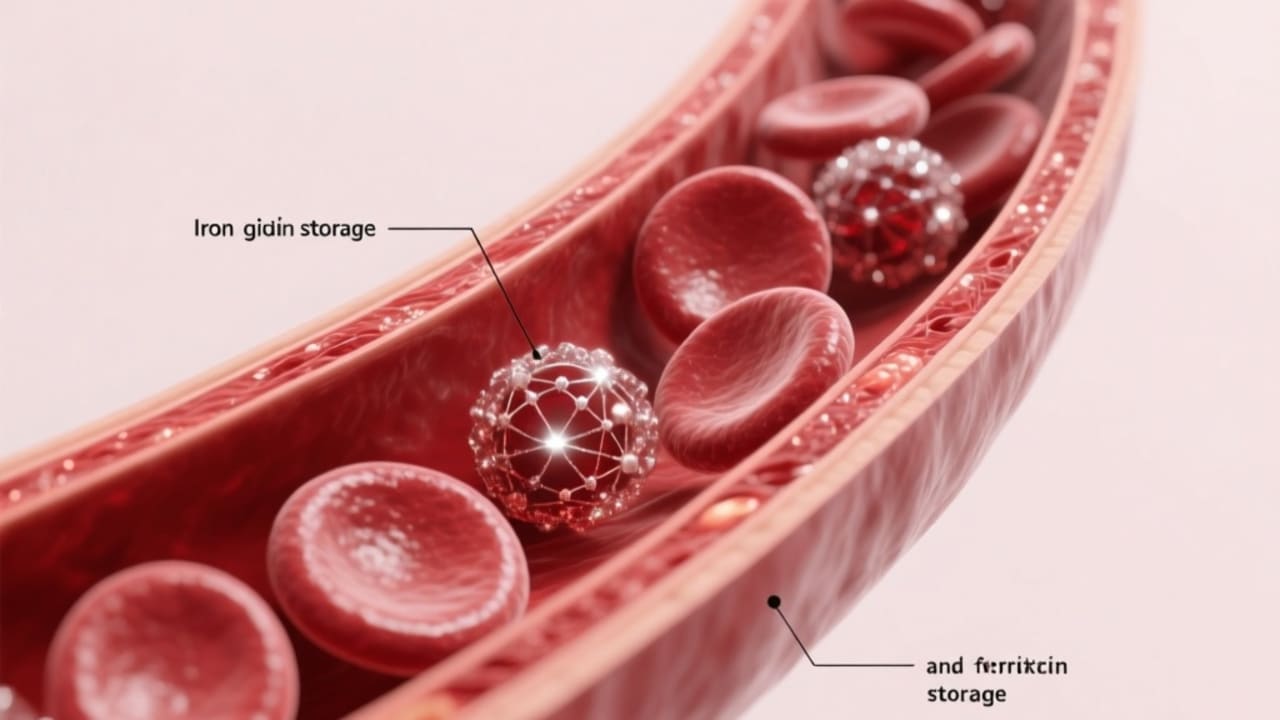
Fatigue has medical roots more often than people realize. Low iron stores (even without full-blown anemia), vitamin B12 deficiency, thyroid issues, and untreated sleep disorders can all look like “burnout.” Heavy periods, postpartum recovery, vegan or very low‑meat diets, or autoimmune thyroid disease can raise your odds.
There’s solid evidence here: a 2012 randomized trial in CMAJ found that iron supplementation reduced fatigue in non‑anemic women with low ferritin. And guidelines from the American Thyroid Association list fatigue among the most common symptoms of hypothyroidism, which is diagnosed with simple blood tests (typically TSH and free T4).
Don’t guess and mega-dose supplements “just in case.” It’s safer to test and target. A clinician can help prioritize labs like a CBC, ferritin, B12, TSH, and vitamin D, and decide next steps based on your history.
What helps now
If your fatigue is persistent (weeks), severe, or paired with symptoms like hair loss, cold intolerance, shortness of breath, or heavy periods, book an appointment. Bring a short symptom log and questions—your future self will thank you.

The stress–fatigue loop
You know that feeling when your brain won’t shut off at night but you’re wiped by noon? That’s the stress–sleep tangle. Chronic stress can nudge your cortisol rhythm later, fragment sleep, and make fatigue feel endless.
Good news: small practices help. A 2015 trial in JAMA Internal Medicine found that a brief mindfulness‑based program improved sleep quality and daytime fatigue in adults with sleep complaints. And a randomized study from the University of Georgia reported that low‑intensity exercise reduced fatigue in previously sedentary adults—short, easy movement can be energizing rather than draining.
Think “micro‑recovery” during the day: 60 seconds of box breathing between meetings, a 10‑minute walk after lunch, or three sunlight breaks before 2pm. They don’t fix everything, but they break the cycle enough for sleep to do its job.
Why this matters
Energy is the backdrop to your entire life—how patient you are with your kids, how sharp you feel in that 4pm meeting, whether you say yes to a workout or a walk with a friend. When you know which levers matter for you, “tired” stops feeling like a personality trait and starts feeling solvable.
“Most people try to sleep more. The win often comes from sleeping better—and removing the quiet drains on your system.”
What you can do today
- Set a caffeine curfew: Stop 8 hours before bed and keep total daily intake modest; swap your late latte for herbal tea.
- Upgrade one meal: Build a “protein + produce + fiber” plate at breakfast or lunch and note your 3pm energy for 10 days.
- Hydrate on purpose: Drink a full glass on waking and finish 2–3 bottles (24–32 oz each) by early evening; add electrolytes after sweaty sessions.
- Move gently when you’re wiped: Take a 10–15 minute easy walk instead of napping; many people feel more alert after.
- Talk to your clinician if fatigue lingers: Ask about labs (CBC, ferritin, B12, TSH, vitamin D) or a sleep evaluation—especially if you snore or have heavy periods.
Feeling human again doesn’t require a total life overhaul. Pick one lever this week, notice what changes, then stack the next. If this helped, share it with someone who’s yawning through their mornings—they might just need the right nudge, too.
Frequently Asked Questions
It’s hard to tell without labs because both can look similar. If you have added signs like feeling cold, dry skin, constipation, or hair thinning, discuss thyroid testing (TSH, free T4) with your clinician. Persistent fatigue for weeks is a good reason to check in regardless.
Aim for protein + fiber + color: think Greek yogurt with berries and chia, or eggs with sautéed greens and whole‑grain toast. This combo may reduce mid‑morning crashes compared with a pastry or cereal alone.
A mild dip is common, especially if lunch is heavy on refined carbs or you’re slightly dehydrated. Balancing your plate and taking a 10‑minute post‑meal walk may help smooth the slump.