Longevity isn’t won by one heroic workout or a perfect salad. It’s built—quietly—by the everyday rhythm of movement, sleep, and tiny food choices that stack over months and years. The most encouraging part? You don’t have to overhaul your life to get real gains.
Fresh research points in the same direction: mix your exercise, protect your sleep, and make small, almost laughably easy nutrition tweaks. A 2024 analysis covered by TIME, using decades of data from the Nurses’ Health Study and the Health Professionals Follow-Up Study, linked a varied exercise routine to longer life. National Geographic reported similar findings: combining aerobic, resistance, and other activities appears to deliver complementary benefits. And a study published Jan. 13 in eClinicalMedicine, summarized by Live Science, suggests that even micro-changes—think five extra minutes of sleep, two minutes more of moderate-to-vigorous activity, and half a serving of vegetables—were associated with meaningfully longer life compared with the lowest-performing group.
Mix your workouts, live longer
Most people have been there—stuck in a walking-only rut, or loyal to the same spin class. It’s solid, but here’s the thing: your body adapts. Variety nudges new systems to improve. As National Geographic reported, researchers found that people who blend activities tend to gain broader protection because different workouts stress different physiological gears—cardiorespiratory, muscular, neuromotor, and metabolic.
In coverage of the 2024 longitudinal analysis of health professionals, participants who paired aerobic training with resistance work improved both heart-lung fitness and muscle function—whereas cardio-only routines didn’t do much for muscle health. That tracks with what exercise science teaches: sprints boost VO₂ max; strength work preserves muscle and bone; mobility keeps joints resilient; balance cuts fall risk.
For longevity, variety beats monotony—across months, not just Mondays.
Try this week
- Two cardio days (brisk 30–40 min walk, jog, cycle, or swim).
- Two strength days (push/pull/legs with bodyweight or weights; 25–40 minutes).
- One mobility/balance day (yoga, Pilates, tai chi, or a 20-minute mobility flow).
- Sprinkle “movement snacks” (3× per day: 10 squats, 30-second calf raises, 1-minute stair climb).
Picture this: It’s Thursday, your schedule’s chaos. You can still win the day with a 12-minute strength circuit and a 10-minute walk after dinner. Longevity isn’t picky—it rewards consistency.

Sleep: the quiet multiplier
Sleep doesn’t shout, but it quietly repairs muscles, calibrates metabolism, tunes immunity, and steadies mood. The eClinicalMedicine paper (via Live Science) found that even small sleep gains—five extra minutes—were associated with longer life when contrasted with those in the lowest-performing group. Is five minutes magic? No. But it’s a psychological door that opens to bigger improvements. Because once sleep feels doable, you tend to protect it.
What’s surprising is how much “boring” basics do: a stable sleep-wake time, morning light, cooler bedroom (around 18–19°C / 65–67°F), and a caffeine cutoff 8–10 hours before bed. Wearables can help, but don’t chase perfect scores—chase predictability.
Try tonight
- Go to bed 10 minutes earlier than yesterday. Keep that new time for a week.
- Get 5–10 minutes of outdoor light within an hour of waking.
- Set your room like a cave: dark, cool, quiet (or a simple fan/white noise).
- Swap late scrolling for a “wind-down stack”: warm shower, stretch for 5 minutes, journal three lines.
Tiny food shifts, oversized payoff
Nutrition advice can feel polarizing—keto vs. plant-based, fasting vs. snacking. But for longevity, the signal is simpler: eat more plants, sufficient protein, and fewer ultra-processed foods. The eClinicalMedicine analysis highlighted by Live Science suggests that even half a serving more vegetables per day was tied to longer life compared to those at the very bottom of the pack. Not exactly news, but a useful nudge: small adds matter.
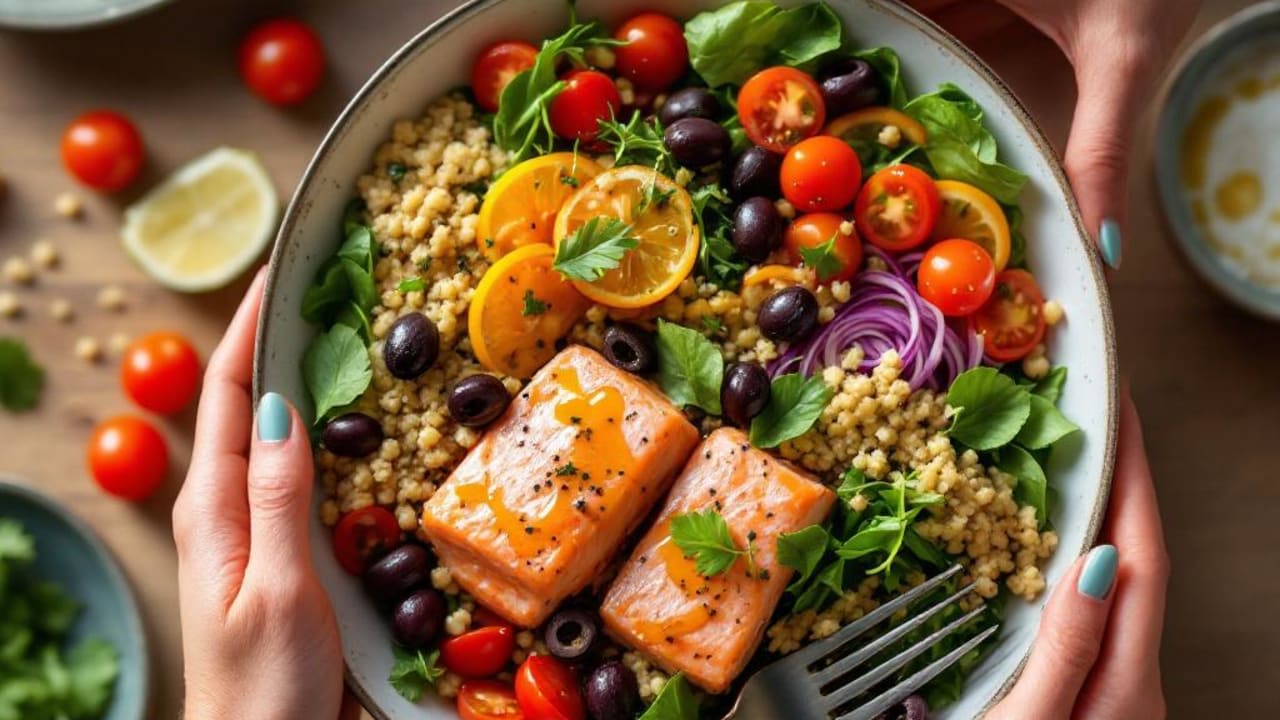
You know that feeling when lunch is “good enough” but not quite? That’s a perfect moment for a half-serving fix—add cherry tomatoes, a handful of arugula, or frozen peas to whatever you’re eating. Fiber rises, satiety follows, blood sugar behaves.
Try today
- Add one plant to every meal (fruit, veg, beans, nuts, seeds, herbs).
- Protein anchor each meal: eggs or Greek yogurt at breakfast; beans, fish, tofu, or chicken at lunch/dinner.
- Swap one ultra-processed snack (chips, candy) for nuts, fruit, or yogurt 5 days this week.
- Drink water before coffee and one glass before each meal—effortless appetite control.
Make it stick: micro-habits over marathons
Ambition spikes on Monday; reality bites on Wednesday. The fix is designing habits that are too small to skip—then letting them grow. The “2-minute rule” works: start with the smallest action that counts, repeat it daily, and expand once it feels automatic.
Because environment beats willpower, stack the deck. Lay out shoes the night before. Put a kettlebell by the kettle. Keep washed produce at eye level. Use your phone as a cue: calendar alerts for walks, a bedtime reminder, a brief “movement snack” timer in the afternoon.
Make consistency effortless
- Anchor new habits to existing ones: squats after brushing teeth; stretch while the coffee brews.
- Track streaks lightly (checkmarks beat spreadsheets). Miss a day? Never miss twice.
- Use wearables wisely: set step prompts, stand reminders, and sleep schedules—not perfection chases.
- Progress slowly: add 5 minutes to workouts weekly; add one serving of plants per week; shift bedtime by 10 minutes per week.
But what does this mean for your Tuesday morning? Maybe it’s 10 push-ups before the shower, a 12-minute walk while you call your mom, and tossing spinach into your omelet. Small, automatic, done.
Actionable takeaway
Your 7-day “Variety + Micro” plan:
- Move daily: alternate cardio (2–3 days) and strength (2 days), add one mobility/balance session, and sprinkle 3 movement snacks most days.
- Sleep nudge: shift bedtime 10 minutes earlier and keep wake-up time fixed; get morning light within an hour of waking.
- Food add: half a serving of veg at lunch and dinner; swap one processed snack for a whole-food option each weekday.
- Track simply: one sticky note or app checkbox for Move, Sleep, Food. Aim for 80% of boxes checked, not 100%.
None of this requires perfection. It rewards repetition. And the science trend line is clear: varied movement, quality sleep, and small daily upgrades compound into a longer, stronger life.