
Most people blame willpower for the belly weight that won’t budge, the mood swings, or the 2am wakeups. Here’s the thing: when your stress system stays “on,” your hormones listen—especially cortisol.
Picture this: you’re exhausted all day, then feel weirdly alert at night—wired but tired. That pattern points less to “you’re bad at relaxing” and more to a cortisol rhythm that’s out of tune. And while cortisol isn’t the enemy (you need it to wake up and focus), too much at the wrong times can mess with your sleep, appetite, blood pressure, and mood.
- Timing beats totals: A healthy cortisol curve peaks in the morning and falls by night; a “second wind” at 10–11pm can be a red flag.
- Common signs: belly-weight gain, sleep trouble, mood swings, elevated blood pressure, thinning skin, and slow healing.
- Hidden drivers: chronic stress, poor sleep, late caffeine, alcohol, certain meds (like steroids), and untreated anxiety/depression.
- Counterintuitive: You want a strong morning rise—not an all-day flatline. The goal is balance, not zero cortisol.
- Smart next step: Persistent symptoms? Ask your clinician about validated tests (e.g., late-night salivary cortisol) rather than DIY panels.
Cortisol Isn’t the Villain—Your Rhythm Is
Think of cortisol like a dimmer switch, not an on/off light. You need a bright morning to get going and a gentle fade by bedtime. The Cleveland Clinic notes cortisol typically peaks before waking and dips at night—key for a steady sleep-wake cycle (Cleveland Clinic, 2024).
When stress is unrelenting, that curve can flatten or shift later—so you’re sluggish at 3pm and buzzing at 11pm. A review in the International Journal of Psychophysiology describes the cortisol awakening response (CAR) as a measurable “jump-start” that, when blunted or exaggerated, tracks with stress and health risk (Clow et al., 2010). And a Psychoneuroendocrinology analysis linked flatter day-long cortisol slopes with worse health markers (Adam & Kumari, 2009). In short: the pattern matters as much as the amount.
Most people have been there—white-knuckling through afternoons, then scrolling at midnight because your brain finally “woke up.” That’s not a character flaw; it’s physiology you can often nudge.
The Red Flags Most People Miss
Several signs cluster when cortisol runs high. Stony Brook Medicine lists persistent fatigue, abdominal weight gain, high blood pressure, thinning skin and easy bruising, slowed wound healing, mood swings, anxiety or depression, sleep trouble, and menstrual changes among common clues. In the right amounts, cortisol keeps you alert; out of balance, it can leave you “wired but tired.”
One pattern many notice: weight redistributing to the belly. A classic study in Health Psychology found chronic stress associated with higher cortisol and more central fat in women (Epel et al., 2000). The Cleveland Clinic also points to blood pressure effects—elevated cortisol can push numbers up for some people.
You know that feeling when tiny hassles turn into outsized reactions? Mood swings and irritability often show up alongside sleep issues—trouble falling asleep, waking at 2–3am, or light, unrestorative sleep. These aren’t diagnostic by themselves, but together they paint a picture worth discussing with a clinician.
What Pushes Cortisol Up (That You Can Actually Influence)
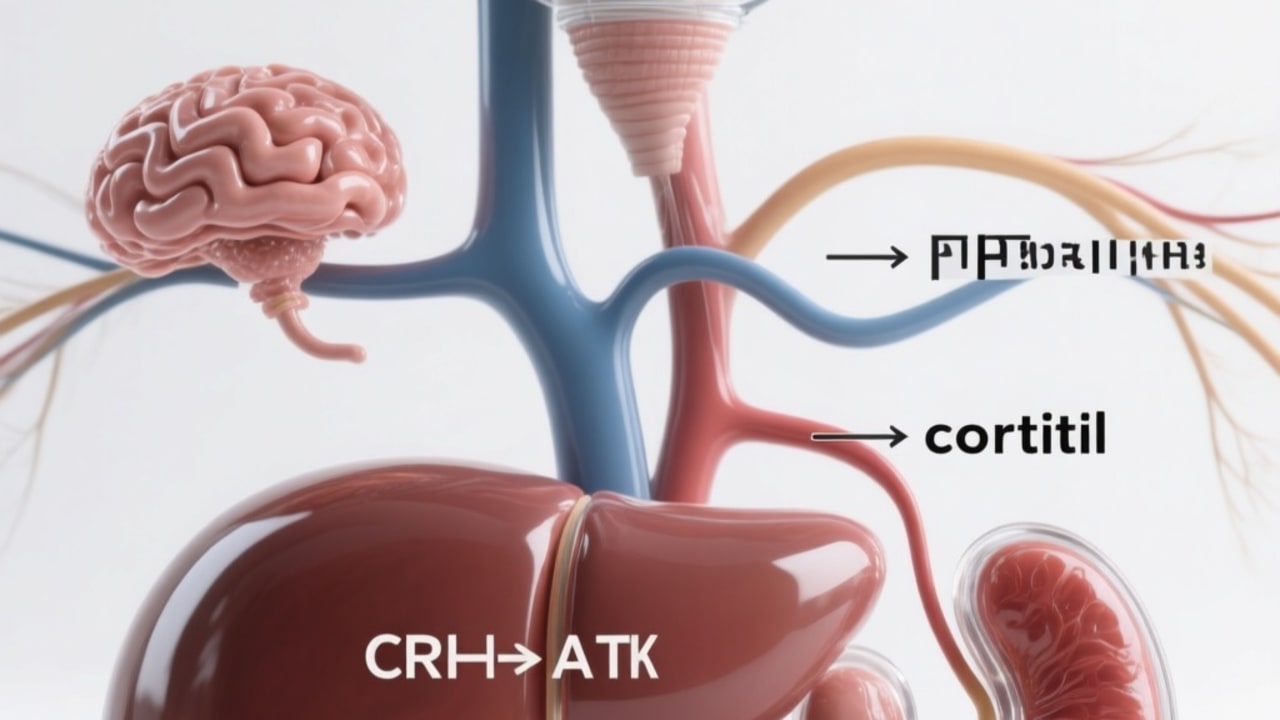
Stress is the headline, but the supporting cast matters: sleep, stimulants, alcohol, mental health, and medications. The Saint John’s Cancer Institute notes sustained emotional or physical stress, chronic alcohol use, certain corticosteroid medications, severe illness/injury, and conditions like depression/anxiety can all elevate cortisol or disrupt the hypothalamic–pituitary–adrenal (HPA) axis.
Poor sleep is a big one. A study in the Journal of Clinical Endocrinology & Metabolism reported that repeated sleep restriction elevates evening cortisol—the worst time for it to be high (Leproult et al., 1997). Think of it like tapping your car’s gas pedal at a red light: wrong moment, extra strain.
Caffeine late in the day can amplify cortisol responses. Research in Psychosomatic Medicine found caffeine potentiates cortisol under stress (Lovallo et al., 2005). Alcohol can also transiently activate the HPA axis, nudging cortisol up in ways that fragment sleep later. None of this means you must quit coffee or be teetotal—just that timing and amount matter more than most people realize.

How to Check It—Without Guessing
Symptoms overlap with other issues (thyroid problems, anemia, sleep apnea, perimenopause), so self-diagnosing “high cortisol” is risky. A clinician can decide if testing makes sense and which tests fit your situation. For suspected hypercortisolism, Endocrine Society guidelines recommend validated screens like late-night salivary cortisol, a 1 mg overnight dexamethasone suppression test, or 24-hour urinary free cortisol (Nieman et al., 2015).
One morning blood test isn’t the full story because cortisol naturally fluctuates. If you’re mostly experiencing stress-related symptoms, your provider may focus first on sleep, mental health, meds, and lifestyle—then test if red flags persist.
Relatable check: if you’re energized at night, dragging in the morning, and living on coffee, a rhythm reset may help—testing or not. But if you notice rapid weight changes in the face/neck, skin thinning with easy bruising, or very high blood pressure, get medical care promptly to rule out rarer causes like Cushing’s syndrome.
Why This Matters
Because this touches everything: how patient you are with your partner at 6pm, how your jeans fit, whether you remember names in a meeting, and if you sleep through the night. Cortisol shapes the stuff that shapes your life.
“Feeling ‘wired but tired’ isn’t a personality trait—it’s physiology you can nudge.”
And the real kicker? Tiny daily shifts—when you get light, when you have caffeine, when you move—often add up faster than all-or-nothing overhauls.
What the evidence says about calming cortisol
A meta-analysis in Psychoneuroendocrinology found yoga and mindfulness-based programs were associated with reductions in physiological stress markers including cortisol (Pascoe et al., 2017). Pair that with evidence that sleep restriction elevates evening cortisol (Leproult et al., 1997), and you’ve got a practical roadmap: gentler stress reduction + better sleep timing can help restore a healthier curve.
What You Can Do Today
- Get morning light + a 10-minute walk: Natural light soon after waking may help anchor your circadian rhythm, which supports a higher morning and lower evening cortisol pattern.
- Time your stimulants: If you’re “wired at night,” try keeping caffeine to the morning or stop by 12–2pm. Research suggests caffeine can amplify cortisol under stress—timing may help.
- Choose calming movement on stressful days: On nights you feel amped, opt for a walk, gentle yoga, or mobility instead of intense late workouts. Earlier-day training may fit your physiology better.
- Practice a 10-minute downshift: Box breathing (4-4-4-4), extended exhales, or a brief guided mindfulness session may help your nervous system settle—and research suggests these practices can lower stress hormones over time.
- Ask your clinician about testing if red flags persist: Especially if you have abdominal weight gain plus high blood pressure, sleep disruption, or skin changes. Validated tests can clarify what’s going on.
You don’t have to overhaul your life to feel different. Stack small wins—morning light, smarter caffeine, gentler evenings—and keep notes on what changes your sleep and mood. Share this with a friend who’s “wired but tired,” and compare what actually helps.
Frequently Asked Questions
Research links chronic stress and higher cortisol with more central fat in some people. That said, genetics, diet, sleep, and activity all play roles. If belly weight gain is new or rapid, check in with your clinician.
It depends on why you’re testing. For suspected hypercortisolism, clinicians often use late-night salivary cortisol, a 1 mg overnight dex suppression test, or 24-hour urinary free cortisol. A single morning blood draw can miss important rhythm details.
There’s no guaranteed timeline. Some people notice sleep and mood improvements within 2–4 weeks of better light exposure, caffeine timing, and stress practices. If symptoms persist or worsen, talk with a healthcare professional.