Most people blame gluten or dairy when the real spark is closer to the office snack drawer. Ultra-processed foods sneak into busy days—yogurt “desserts,” bottled dressings, protein bars—and flip the body’s inflammatory switches more than we think.
Here’s the thing: cooling chronic, low-grade inflammation isn’t about a perfect diet. It’s about a few high-impact swaps that nudge your gut microbes, your blood sugar, and your immune signals in the right direction—consistently enough that your body notices.
If you want steadier energy, fewer flare-ups, and a calmer gut, start with these small changes that add up fast.
- Swap ultra-processed snacks for whole-food options—your gut lining may thank you.
- Fermented foods (yogurt, kefir, kimchi) can lower inflammatory markers in weeks.
- Omega-3 foods help resolve inflammation; aim for 2 fish meals weekly.
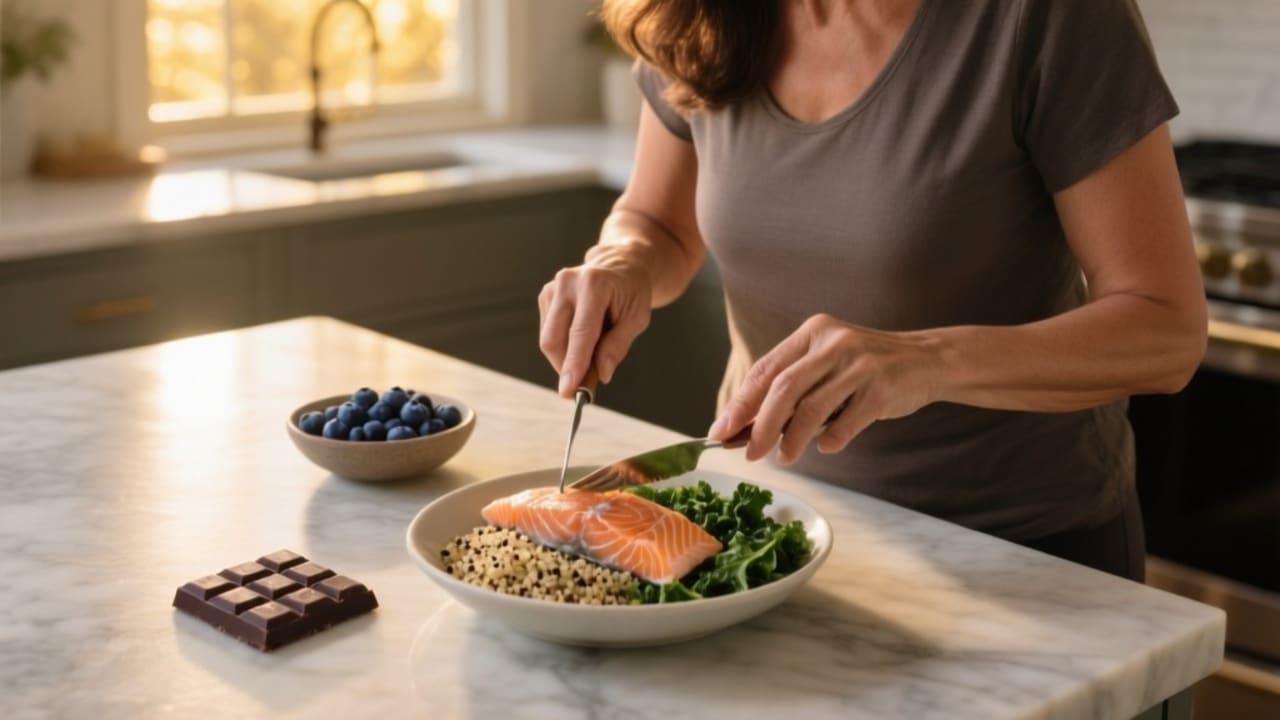
- Color matters: berries, leafy greens, and cacao deliver antioxidant firepower.
- Counterintuitive: add, don’t just subtract—crowding your plate with plants works.
The quiet culprit: ultra-processed foods vs. real food
Picture this: 3pm slump, you grab a “healthy” bar and a flavored yogurt. It reads protein, fiber, and “natural.” Your gut reads additives, sweeteners, and quick sugars—fuel for microbial shifts that can stoke inflammation.
A 2025 report highlighted by Harvard Health and published in Nutrients noted that ultra-processed foods can disrupt gut bacteria, damage the gut’s lining, and switch on inflammatory genes. A 2023 umbrella review in BMJ linked higher ultra‑processed intake with worse health outcomes across multiple systems. The takeaway isn’t fear—it’s pattern. When most of your calories come from real food, your gut and immune system have a calmer baseline.
Smart swap
Trade: sweetened yogurt + bar → plain Greek yogurt topped with berries, chia, and a drizzle of olive oil or a few crushed nuts. You still get protein and satisfaction, minus the additives and syrups.
Feed the microbes that put out fires
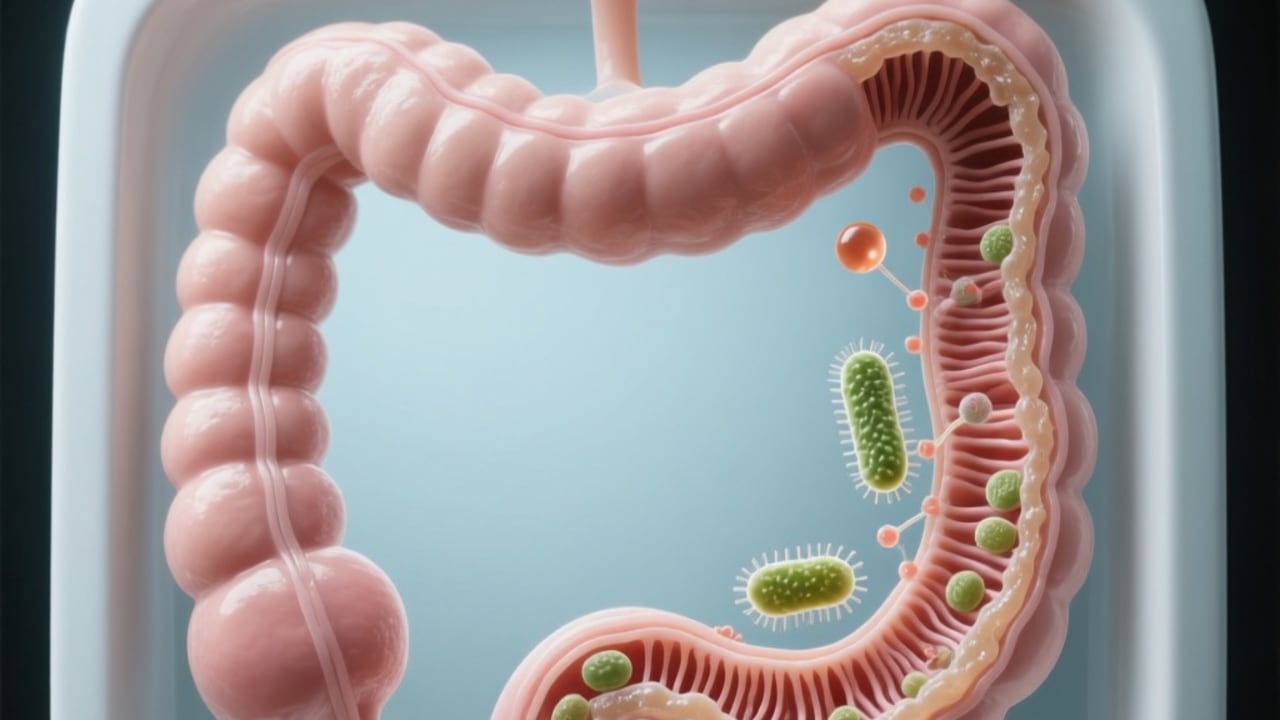
Your gut microbes are like a neighborhood watch—feed them well and they keep the peace. Fiber and polyphenols from plants become short‑chain fatty acids (like butyrate) that help maintain your gut lining and calm immune chatter. And fermented foods introduce beneficial microbes that can change immune signaling quickly.
A 2021 Stanford study in Cell found that a high–fermented food diet increased microbiome diversity and reduced several inflammatory markers in just 10 weeks. That doesn’t mean you need kombucha at every meal. A little, often, works.
Smart swaps
• Trade: croutons → a scoop of sauerkraut or kimchi on your salad for crunch and live cultures.
• Trade: fruit juice → whole berries; same plant compounds, more fiber, steadier glucose.
• Add: a daily legume (lentils, chickpeas) to bowls or soups—budget-friendly fiber that microbes love.
Choose fats that resolve, not inflame
Not all fats tell the same story. Omega‑3 fats from fish and some plants help your body make “resolvins”—compounds involved in turning off inflammation once a job is done. Extra‑virgin olive oil carries polyphenols that may support that process, too.
A Mediterranean‑style pattern—olive oil, nuts, seeds, fish, plenty of plants—has been linked with lower inflammatory markers in clinical research, alongside cardiovascular benefits seen in large trials like PREDIMED (NEJM, 2018 reanalysis). Reviews of omega‑3 intake suggest modest, meaningful effects on triglycerides and inflammatory pathways, with a food‑first approach preferred for most people.
Smart swaps
• Trade: breaded chicken → salmon or trout twice weekly.
• Trade: creamy dressing → olive oil + lemon with herbs.
• Add: walnuts, hemp, chia, flax to breakfast or snacks for ALA omega‑3s.
And about “seed oils”? Context matters. The total pattern—added sugars, refined flours, fiber, fish, and overall plant intake—likely matters more than any single bottle in your pantry.

Spices, cacao, and color: small things, big lift
That turmeric latte or chunk of dark chocolate isn’t just a vibe. Polyphenol‑rich foods like berries, cocoa, extra‑virgin olive oil, and herbs/spices carry antioxidants that can help blunt oxidative stress—one of inflammation’s favorite fuel sources.
A 2021 meta‑analysis in Phytotherapy Research suggested curcumin (turmeric’s key compound) may modestly reduce C‑reactive protein (CRP) in certain groups. Ginger shows small benefits for pain and metabolic markers in some trials. No magic bullets here—just steady, flavorful nudges.
Smart swaps
• Trade: milk chocolate → a square of 70%+ dark chocolate after meals.
• Add: turmeric + black pepper to eggs, soups, or roasted veggies.
• Boost: deep greens and crucifers (kale, broccoli, arugula) 4–5 times weekly.
Why this matters
Inflammation isn’t just about labs. It’s the 4pm brain fog, the sore run recovery, the skin that’s angrier than it should be after a weekend. Food won’t fix everything—but the right pattern can turn the volume down so you can hear what your body’s actually saying.
“When you crowd your plate with plants, good fats, and a little fermented kick, your body stops fighting lunch—and starts using it.”
And the real kicker: you don’t need a perfect week. Two seafood dinners, a jar of sauerkraut, and a berry habit move the needle, even when life is messy.
What you can do today
- Build one “anti‑inflammatory bowl” for lunch: greens, a cup of beans or lentils, roasted veggies, olive oil–lemon dressing, a scoop of kimchi or kraut, and a handful of nuts.
- Schedule your fish: add salmon, trout, sardines, or mackerel to two dinners this week; canned options are budget‑friendly and may help boost omega‑3s.
- Color check your cart: aim for 5+ colors across the day—berries, leafy greens, squash, tomatoes, purple cabbage—research suggests diverse plants support a calmer gut.
- Sweeten with fruit or spices: swap bottled dressings and desserts with added sugars for cinnamon, vanilla, citrus zest, and whole fruit to reduce quick glucose spikes.
- Fermented “micro‑dose”: include a small daily serving (yogurt, kefir, tempeh, miso, kimchi, or sauerkraut). Start with a few forkfuls if you’re new to it.
You don’t need a new identity to eat this way—just a few swaps on repeat. Share this with the friend who loves a good salad hack, and save it for your next grocery run.
Frequently Asked Questions
Many people with IBS or IBD tolerate a Mediterranean‑style, plant‑forward pattern, but triggers vary. Introduce changes slowly (especially fermented foods and legumes) and track symptoms. It’s worth discussing with your clinician or dietitian for personalized guidance.
Food-first usually makes sense: fish twice weekly, herbs/spices often. Some people consider supplements, but quality and dosing vary, and interactions are possible. Talk with a healthcare professional before starting any supplement.
Some markers can shift within weeks—one Cell study saw changes from fermented foods in about 10 weeks. Energy, digestion, and skin may improve gradually with consistent habits over months.