
Most people blame willpower when the real driver is wiring—your brain’s appetite circuits and hormones quietly steering the ship. And 2026 research is making that crystal clear.
Here’s the twist: pairing medicines that hit different hunger pathways—or layering meds with hormone therapy—may help some people lose more weight than one tool alone. The headlines sound flashy. But the real story is about smart combinations plus everyday habits that protect your muscle, energy, and sanity.
- Combo meds are rising: Early trials suggest GLP‑1 + amylin pairings (like cagrilintide + semaglutide) may drive greater weight loss than single drugs.
- Hormones matter post‑menopause: A 2026 Mayo Clinic analysis reported ~35% more loss with menopausal hormone therapy plus tirzepatide vs the drug alone (observational data).
- Muscle is the mission: Rapid loss can cost lean mass; keeping protein up and lifting may help protect metabolism.
- Not just meds: Structured programs for PCOS show that coaching, meal plans, and monitoring can improve weight and insulin sensitivity.
- Counterintuitive: Eating enough—especially protein—may help you lose better, not worse, when using weight‑loss meds.
The New Stack: Why Combinations Are Hot
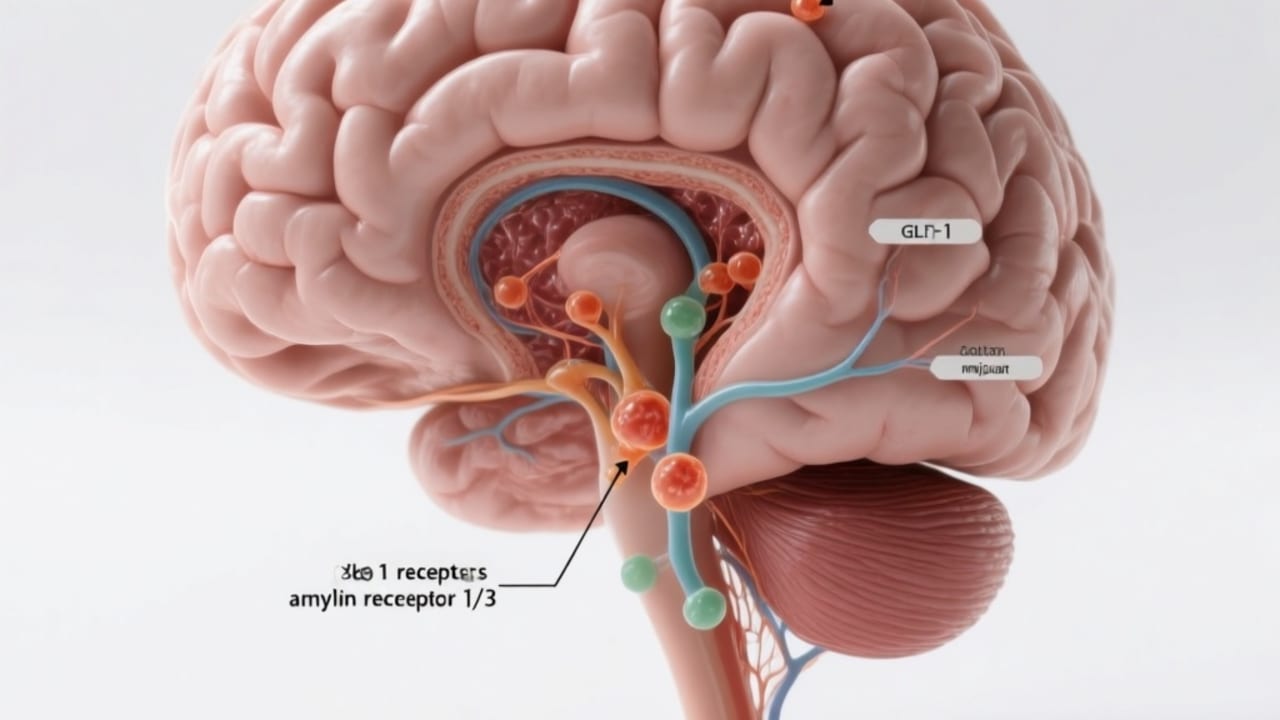
Think of appetite like a door with two locks. GLP‑1 drugs turn one key—slower stomach emptying and stronger satiety signals. Amylin analogs turn the other—blunting hunger through different brain receptors. When both locks click, the door doesn’t swing open as easily.
That’s the idea behind pairing cagrilintide (an amylin analog) with semaglutide (a GLP‑1). A 2026 paper in eBioMedicine by Carvas and colleagues found that cagrilintide lowers body weight through brain amylin receptors 1 and 3—mechanisms that complement GLP‑1 pathways. Meanwhile, a recruiting Novo Nordisk study highlighted by TrialX is directly comparing the combo (often dubbed “CagriSema”) with lifestyle changes alone, using MRI and DEXA to track how fat, lean mass, and metabolism shift in real time.
Most people have been there—white‑knuckling a calorie deficit, then rebounding. Targeting multiple satiety routes may help smooth those swings. That said, these are still trials. Availability, dosing, and long‑term safety are questions to discuss with a clinician who knows your history.
Hormones Change the Map After 40
Menopause doesn’t just affect hot flashes; it changes where and how your body stores energy. That may be why one 2026 Mayo Clinic team found something surprising: postmenopausal women on menopausal hormone therapy (MHT) while taking tirzepatide lost about 35% more weight than peers on tirzepatide alone. The analysis, published in The Lancet Obstetrics & Gynaecology, was retrospective—so it can’t prove cause and effect—but it hints at a useful synergy to explore with a clinician.
Picture this: two friends, both on the same medication, eat similar meals and walk the same loop. One passes menopause and her estrogen support is tailored; the other doesn’t use MHT. Their outcomes may diverge. Not because anyone “tried harder,” but because hormones tune how we process food, store fat, and feel hunger. Any decision about MHT should weigh benefits and risks beyond weight, including cardiovascular and breast health—your clinician can help personalize that call.
Muscle Is Your Metabolic Anchor
Here’s the thing: fat loss is great, but not if it drags muscle down with it. Some GLP‑1 users report feeling weaker, and fast weight drops can include lean mass. Early preclinical work is probing ways to protect muscle while losing fat. A 2025 Nature Communications study led by Mastaitis found that blocking GDF8 and activin A protected against GLP‑1–linked muscle loss in animals while enhancing fat loss. Animal data isn’t the same as human outcomes—but it spotlights why your plan should prioritize strength.
On the energy‑burn side, a 2025 Journal of Hepatology paper reported that glucagon signaling can nudge obesity‑specific energy expenditure, which helps explain why next‑gen meds target multiple hormones. Translation for your week: pair any medication or calorie deficit with resistance training, higher‑protein meals, and daily movement so the scale isn’t the only win—your strength, mood, and resting burn rate get love too.

PCOS, Structure, and Personalization
If you’re managing PCOS, you already know the deck can feel stacked: higher insulin levels, cravings that hit late, weight that sticks. That’s why structured programs matter. A 24‑week “STREAM” program now recruiting (listed on WithPower) combines dietitian support, meal replacements, and specialist check‑ins to gauge weight change and insulin sensitivity in women with PCOS and obesity.
Imagine a playbook that removes decision fatigue—what to eat, when to check in, how to adjust—so you’re not reinventing dinner after a long day. Whether or not medications are involved, consistent coaching and metabolic monitoring may help translate intentions into traction. If you’re curious, ask your clinician about local programs or trials that fit your health profile.
Why This Matters
Because this isn’t just about a number. It’s whether your jeans button without a pep talk, whether your 3 p.m. crash vanishes, whether lifting groceries feels easy again. The new science validates what many people feel: biology is not a level playing field—and strategy beats willpower.
“Willpower isn’t a strategy—systems are. Pair smart tools with habits that protect your muscle, sleep, and sanity.”
But what does that actually mean for your Monday morning? It means you can make small, smart moves that stack with (or without) medications—so you feel stronger while the data catches up.
What You Can Do Today
- Ask about fit and timing: If you’re considering GLP‑1s or combinations, discuss your history (including PCOS or menopause) with a clinician. Research suggests certain groups may respond differently.
- Protect lean mass: Aiming for roughly 1.2–1.6 g protein/kg/day may help, alongside 2–3 weekly resistance sessions. Even 20–30 minutes with dumbbells or bands counts.
- Keep it steady: A moderate calorie deficit and 7–9 hours of sleep may support appetite hormones and reduce strength loss compared with crash dieting.
- Track more than weight: Monitor waist, strength reps, step counts, and energy. If lean mass seems to drop quickly, it’s worth revisiting your plan with a professional.
- Consider structured support: Coaching, meal templates, or vetted programs (including trials if eligible) may improve consistency and insulin sensitivity.
Medications are getting smarter, but your body still writes the final draft. Build a plan that respects hormones and defends your muscle, and share this with a friend who’s weighing their options—everyone deserves a map, not just a mantra.
Frequently Asked Questions
Many combinations are still in clinical trials, so access is limited outside research settings. Approved single agents (like semaglutide or tirzepatide) exist; a clinician can advise what’s appropriate for you.
Menopausal hormone therapy isn’t a weight‑loss treatment. A 2026 retrospective analysis linked MHT plus tirzepatide with greater loss, but decisions about MHT should weigh personal risks and benefits with your doctor.
Prioritize protein, lift 2–3 times weekly, and avoid aggressive calorie cuts. If you notice weakness or fast strength declines, discuss nutrition and training tweaks with a clinician or registered dietitian.