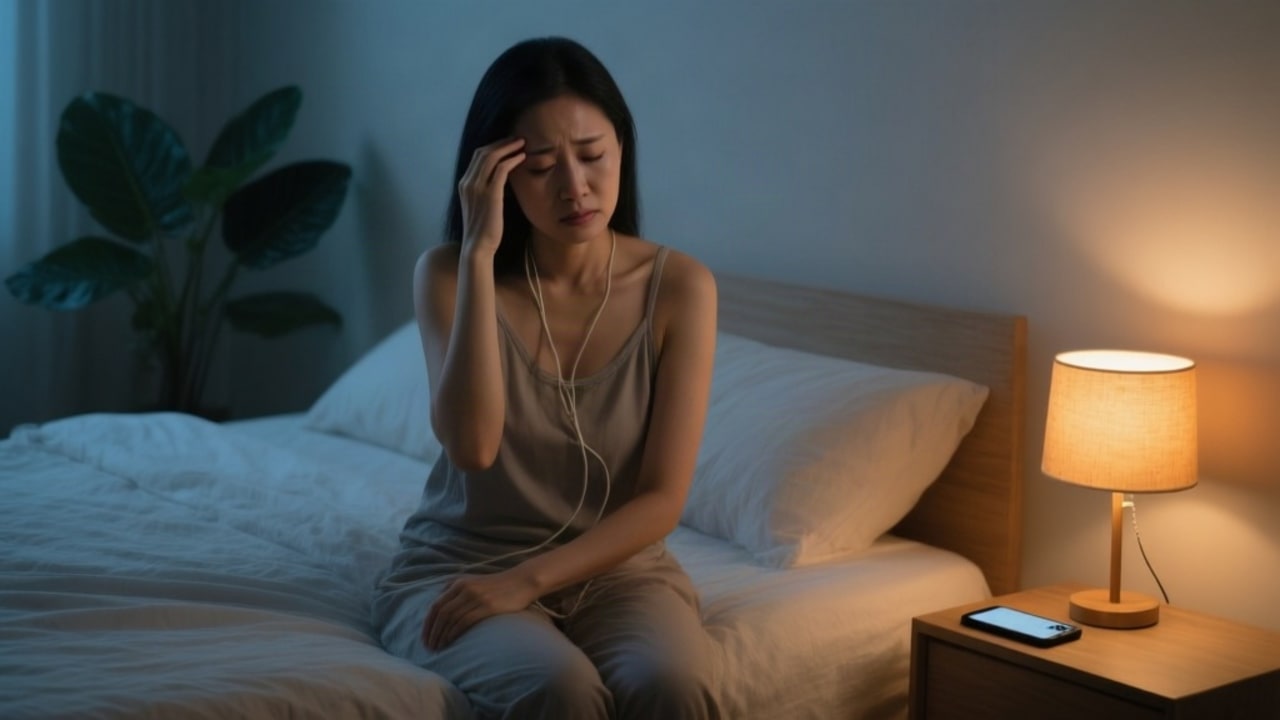
Most people blame their thoughts when anxiety spikes. The real cause—at least part of it—may be 30 feet south, in your intestines.
Picture this: it’s 2pm, you’ve lived on coffee and vibes, your stomach feels tense, and out of nowhere your heart starts racing. You didn’t change your mind. Your biology changed the channel. The gut and the brain are in a constant group chat—nerves, immune messengers, and microbial metabolites pinging back and forth—and your mood reads every notification.
Here’s the thing: emerging research suggests some gut bacteria can even tinker with stress hormones. That doesn’t mean yogurt is a therapist. It does mean your plate, sleep, and daily rhythms may matter more than you thought.
- Gut–brain is a two‑way street via the vagus nerve, immune signals, hormones, and microbial metabolites.
- Some microbes can modify cortisol, the stress hormone—animal data suggest degradation into weaker hormones.
- Probiotics may help a subset of people, but effects are strain‑specific and generally modest in humans.
- Diet, movement, and adversity context matter when interpreting anxiety–gut links, according to recent reviews.
- Start with routines, fiber, fermented foods, and sleep— then consider a time‑boxed probiotic trial.
How your gut messages your mind
Your gut and brain talk constantly. The vagus nerve carries “status updates” from your intestines to emotional centers. Immune messengers flag irritation or calm. Hormones and microbial metabolites—like short‑chain fatty acids and tryptophan byproducts—can shape stress circuits without entering the brain directly. Think of it like a group chat: one spicy message (say, gut inflammation) shifts the mood for everyone.
A 2026 overview in Frontiers Microbiomes described how microbes influence mental health through these nerve, immune, and hormonal pathways, noting trends toward reduced stress markers in early trials and animal models. And a widely shared 2026 summary of gut–brain research emphasized that bacterial changes can nudge stress responses and neurotransmitter pathways from the gut side of the equation—no brain entry required.
What’s surprising is the directionality can switch: anxiety can unsettle your digestion, and gut irritation can heighten anxiety. That’s why a rough week shows up as both worry and bloating—and why calmer routines sometimes land first as better bowel habits.
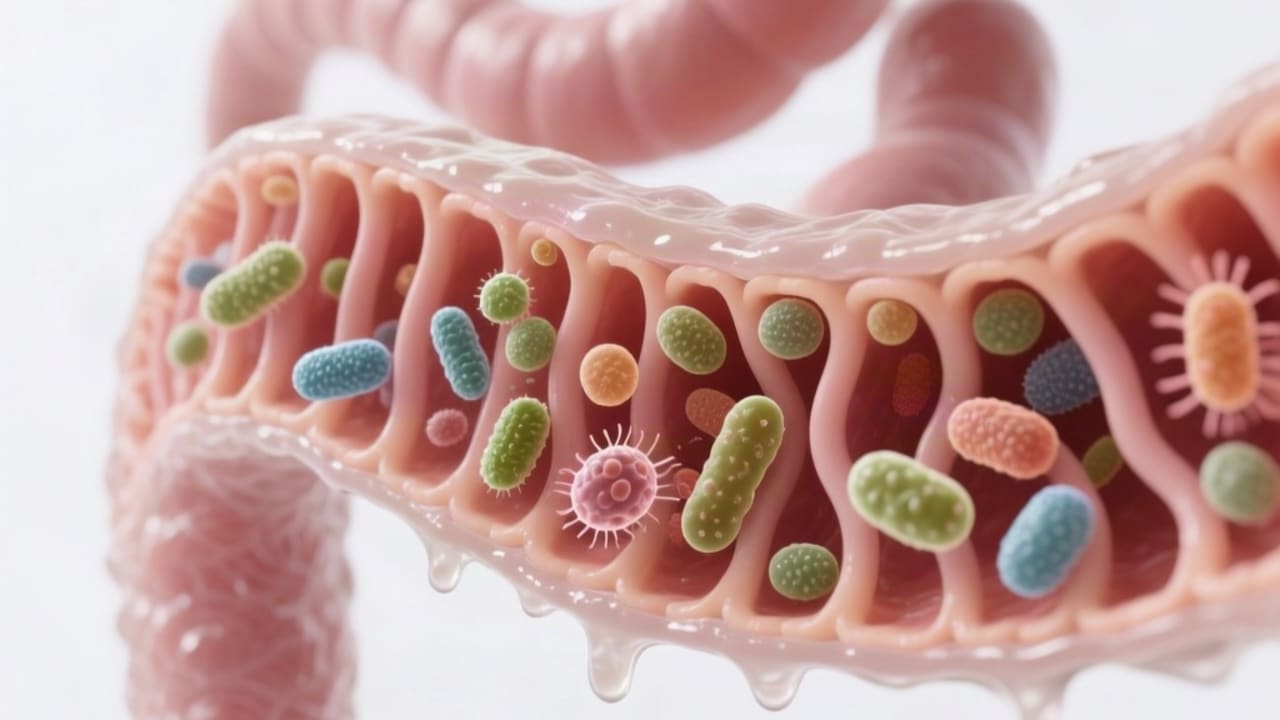
Cortisol, microbes, and the stress loop
Cortisol is your body’s built‑in alarm. It should spike in the morning, then gradually drop. When stress piles up—poor sleep, skipped meals, conflict—cortisol can stay loud. Here’s the curveball: some gut bacteria may break down cortisol into less active hormones. A 2026 paper in Advanced Science reported that microbial enzymes degraded cortisol in animal models, with cortisol detectable across the gut–liver–brain axis.
Translation for real life? Your microbiome might be one of the “volume knobs” on stress reactivity. It’s early‑stage science (mostly in rodents), so it’s not a green light to self‑medicate with supplements. But it hints that building a healthier gut ecosystem—through food and routine—could gently buffer stress signals rather than just chasing them with willpower.
Analogy time: imagine a noisy group text. You can mute the chat (breathing, therapy), or you can ask fewer people to message you at midnight (feed microbes that don’t over‑stoke inflammation). Both approaches may help. Together, they can be more effective than either alone.
Probiotics and prebiotics: promise with guardrails
You’ve likely seen “psychobiotics” headlines. Some probiotics do show stress‑related benefits, but context and strain matter. A 2026 review in Frontiers Microbiomes highlighted rodent data where Lactobacillus reuteri DSM 17938 improved gut integrity, lowered inflammation markers, and reversed brain‑derived neurotrophic factor (BDNF) drops linked to PTSD‑like behaviors. In another model, probiotic treatment mitigated anxiety‑ and depression‑like behaviors and improved gut morphology.
Human results are more mixed. Small trials suggest certain Lactobacillus and Bifidobacterium strains may modestly reduce perceived stress or anxiety symptoms for some people over 4–8 weeks, especially when paired with supportive habits. But effects aren’t universal, and quality control varies by brand. A 2026 paper in Frontiers in Psychology also urged researchers to factor in adversity, diet, and physical activity when examining gut–brain links—because life context can outweigh a capsule.
If you’re curious, think “experiment,” not “fix.” Choose a reputable product with identified strains, track sleep, mood, and GI changes for 4–8 weeks, and stop if you feel worse. And loop in a clinician if you have GI disorders, are pregnant, or take immune‑suppressing meds.

Lifestyle levers that feed a calmer gut–brain loop
Most people have been there—racing from meeting to meeting, living on caffeine and crumbs, then wondering why bedtime feels like a buzz. Habits are how you talk back to the gut–brain chat, steadily and quietly. Diet and movement are the loudest voices.
A 2026 Frontiers in Psychology article pointed to diet and physical activity as key context for stress, anxiety, and GI symptoms. That tracks with day‑to‑day experience: fiber‑rich meals stabilize energy and microbial fuel; fermented foods add “training partners” for your immune system; and consistent movement may soften stress responses while improving digestion. Even simple vagus‑friendly practices—slow breathing, longer exhales—can send a “we’re safe” ping up the nerve highway.
None of this replaces therapy or medication. But aligning your biology with your coping tools can make those tools work better.
Why this matters
Because the advice you follow changes the day you live. If anxiety feels mysterious, biological anchors help: steady meals, fiber, a walk after lunch, lights down an hour before bed. Those aren’t “nice to haves.” They’re how you turn down background stress so your brain has less to fight.
“You didn’t ‘fail’ at calming down—your gut may have been yelling over you. Change the volume, and your strategies start working.”
What you can do today
- Build a fiber floor. Aim for 25–38g/day from plants (beans, oats, berries, leafy greens). More fiber feeds microbes that produce calming short‑chain fatty acids—go slow to avoid bloating.
- Add 1–2 fermented foods daily. Yogurt with live cultures, kefir, kimchi, sauerkraut, tempeh, or miso may support microbial diversity and immune balance.
- Anchor cortisol with routine. Try a protein‑rich breakfast within 60–90 minutes of waking, get outdoor light in the morning, and keep caffeine before noon to support a smoother stress curve.
- Move most days. Even 20–30 minutes of brisk walking may help regulate stress responses and digestion; consistency beats intensity.
- Consider a short probiotic trial. If you’re curious, choose a strain‑specified product and track mood/sleep/GI for 4–8 weeks. Stop if symptoms worsen and discuss with a clinician if you have medical conditions.
You don’t have to “think” your way out of anxiety alone. Support the biology that supports your mind, and give your coping tools a quieter room to work in. If this helped, share it with the friend who lives on iced coffee—or read next: simple rituals that steady your stress curve.
Frequently Asked Questions
Evidence is mixed, but some Lactobacillus and Bifidobacterium strains show small benefits in short trials. Effects are strain-specific and not guaranteed. A 4–8 week trial with symptom tracking may help you see if it’s worth continuing—check with a clinician if you have medical conditions.
Diet won’t replace therapy or medication, but fiber-rich foods, fermented foods, and steady meals may help regulate stress signals via the gut–brain axis. Many people notice better sleep and fewer “out of nowhere” jitters after a few weeks.
Early shifts can appear in 2–4 weeks, with more stable benefits in 6–8 weeks as routines stick. If symptoms are severe or worsening, reach out to a healthcare professional sooner.