
Most people blame their mind when anxiety spikes, but the real instigator may be your gut. Picture this: you clean up your bedtime routine, cut back caffeine, even meditate—yet Sunday scaries still slam you after a weekend of takeout and late nights. That knot in your chest could be your microbes talking.
Here’s the thing: your gut community—trillions of bacteria and their metabolites—can signal the brain in minutes via nerves, hormones, and immune messengers. And yes, probiotics for anxiety are getting attention. Not as a magic fix, but as one lever in a system that includes sleep, fiber, and timing.
- Probiotics for anxiety show early promise, but effects are modest and vary by person and strain.
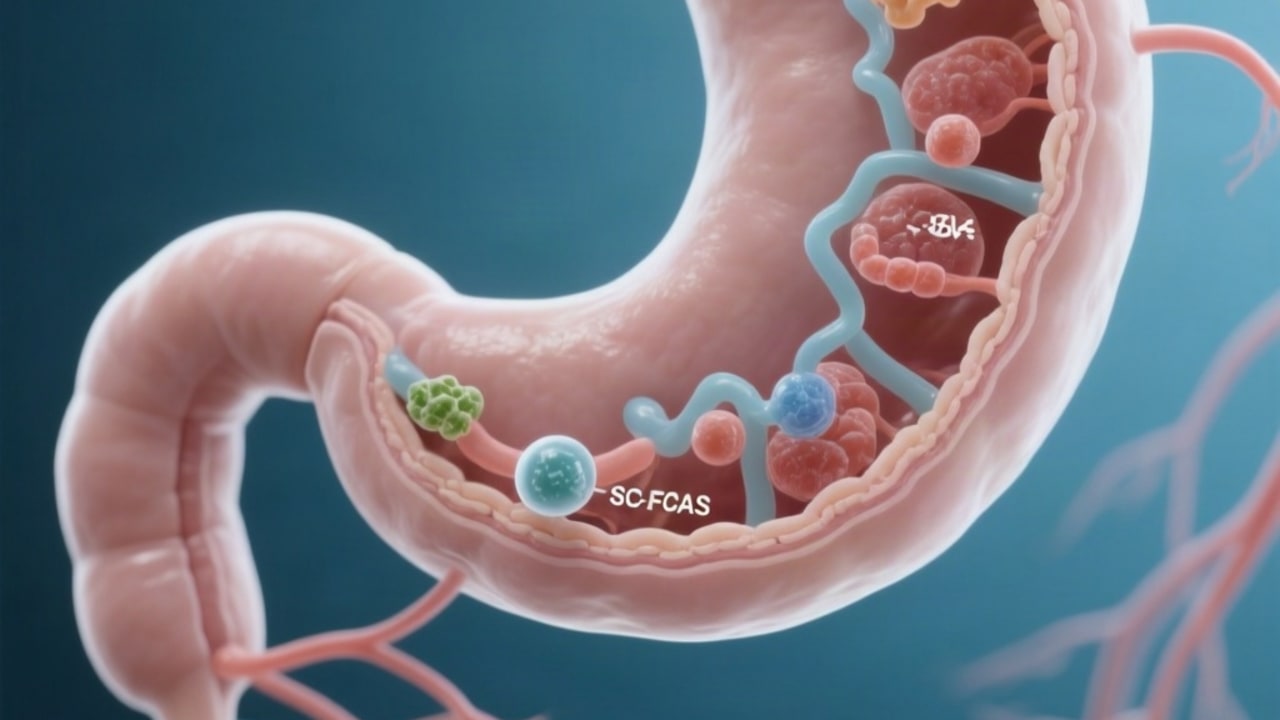
- Gut-brain signals travel through the vagus nerve, immune pathways, and microbial metabolites like SCFAs and indoles.
- Regular meals, more fiber, and better sleep may steady your gut—and your mood—more than any single supplement.
- Counterintuitive: Supporting gut health at night (consistent sleep) may calm anxiety more than adding another morning routine.
- Talk to a clinician if you have diagnosed anxiety, IBS, or are on meds—probiotics can interact with conditions and aren’t one-size-fits-all.
How Your Gut Talks to Your Brain—Fast
You know that feeling when stress hits and your stomach flips? Communication runs both ways. Microbes produce neuroactive compounds (think GABA-like signals, short-chain fatty acids, and indole derivatives) that can nudge the vagus nerve, sway inflammation, and modulate hormones tied to stress response.
A 2026 review in Frontiers in Microbiomes summarized how microbial metabolites, immune signaling, and neural circuits converge to influence anxiety-related behavior, noting trends toward symptom relief when the gut barrier and inflammation improve. The takeaway: the gut-brain axis isn’t a wellness buzzword—it’s a busy highway your mood drives on daily.
Probiotics: Hype vs. What Human Trials Suggest
Most people have been there—scrolling late, adding a “calming” probiotic to cart. Here’s what’s surprising: psychobiotics (probiotics aimed at mental health) can help some people feel less stressed or anxious, but results across studies are mixed. Benefits, when they appear, are usually small-to-moderate and depend on the strain, dose, and your baseline microbiome.
A 2026 article in Frontiers in Microbiology reviewing human trials reported positive signals for mood, stress, and sleep in select studies, while calling for larger, more rigorous trials and better personalization. Translation: probiotics may help, but they’re not a stand-in for therapy, sleep, or nutrition—and picking any “gut” capsule at random is a gamble.
Which strains have early signals?
Research often focuses on Lactobacillus and Bifidobacterium species. Some trials suggest certain strains may reduce perceived stress or mild anxiety, but effects vary. If you experiment, look for products that list the full strain ID (not just the species), and give it 4–8 weeks while tracking sleep, digestion, and mood.
Food, Sleep, and Rhythm: The Levers You Control
Ever notice anxiety spike after a chaotic week of skipped meals and late nights? Your microbes notice too. Meal timing, fiber diversity, and circadian rhythm shape which microbes “clock in,” which metabolites they make, and how your body handles stress.
A 2025 critical review in Frontiers in Psychiatry on the gut–brain–circadian axis linked irregular sleep and eating patterns to shifts in microbial activity that may heighten anxiety and depressive symptoms. That aligns with real life: stable routines—consistent sleep windows, regular meals, daily daylight—often feel like mood armor.
Build a steady “gut rhythm”
Aim for a fiber range your gut tolerates (vegetables, legumes, oats), add a small serving of fermented foods if they agree with you, and keep caffeine earlier in the day. Think of it like tuning an orchestra—when the percussion (sleep), strings (meals), and winds (movement) sync, the whole score sounds calmer.

Indoles, SCFAs, and BDNF: The Chemistry Behind the Calm
We rarely feel chemistry happening, but it’s there. Microbes transform tryptophan into indoles that can signal through gut receptors to temper inflammation and influence neural pathways. Meanwhile, short-chain fatty acids from fiber (like butyrate) help maintain the gut barrier and may dampen stress reactivity.
Animal work hints at mechanisms. In rodent studies summarized by Frontiers in Microbiomes (2026), Lactobacillus reuteri DSM 17938 improved intestinal integrity, lowered inflammatory markers, and restored brain-derived neurotrophic factor (BDNF) levels associated with stress-related behaviors. Animal data doesn’t guarantee human effects, but it’s a clue to how targeted microbes might calm the system.
Why indoles keep coming up
Indole metabolites—born from microbial tryptophan metabolism—appear to influence gut barrier signaling and brain-adjacent pathways. Think of them as quiet text messages your gut sends the brain: not dramatic, but constant. Emerging research is mapping which messages matter most for anxiety—and who benefits.
Why This Matters
Anxiety can feel like it arrives out of nowhere. But when you zoom out to your past 72 hours—sleep debt, erratic meals, extra alcohol, no daylight—it often adds up. Supporting your gut won’t replace therapy or meds, but it may lower the volume on the daily static that keeps your system on edge.
“Small, boring habits—fiber at lunch, regular lights-out, a short walk—send steadier gut signals than any ‘miracle’ capsule.”
If you’re on treatment for anxiety, consider this the foundation layer. If you’re not, these are safe places to start while you talk with a clinician about what else could help.
What You Can Do Today
- Trial a targeted probiotic: A product with well-studied Lactobacillus or Bifidobacterium strains may help some people with stress or mild anxiety. Start low, take with food, and reassess after 4–8 weeks. If symptoms worsen, stop and check with a clinician.
- Feed your microbes: Aim for 20–30g of fiber daily if tolerated (oats, beans, berries), and consider 1 small serving of fermented foods (yogurt, kefir, kimchi) several days a week. Research suggests this may boost beneficial metabolites.
- Protect your sleep window: Consistent sleep and wake times may stabilize the gut–brain–circadian axis. Even 30–60 minutes of earlier wind-down can pay off in calmer mornings.
- Anchor your day with light and movement: Morning daylight and a 10–20 minute walk may nudge cortisol into a healthier rhythm, which can steady gut signaling.
- Keep a simple log: Track sleep, meals, stress, bowel habits, and mood. Patterns can reveal whether a probiotic, fiber change, or routine shift is helping.
One more note on evidence: the 2026 Frontiers in Microbiology review urges bigger, better trials and personalization. A 2025 perspective in Nature Mental Health also argues that who you are—your baseline microbiome, stress level, and sleep—likely shapes your response. That’s empowering: you can change some of those inputs starting today.
No single microbe will “fix” anxiety. But the right mix of habits—and possibly a smart probiotic trial—may turn the volume down. If this resonated, share it with a friend who’s tried everything “for their mind” except their gut.
Frequently Asked Questions
Generally, probiotics are considered safe for healthy adults, but they can interact with underlying conditions and may cause GI side effects. If you’re on psychiatric medication or have immune issues, talk with your prescriber before starting and choose a product with clearly labeled strains.
Some people notice changes in digestion within 1–2 weeks, while mood or stress shifts—if they occur—often take 4–8 weeks. Track your sleep, GI symptoms, and anxiety to see whether it’s worth continuing.
Research suggests fiber-rich plants (oats, legumes, vegetables, berries), fermented foods (yogurt, kefir, kimchi), and regular meal timing may support beneficial metabolites. If you have IBS or food sensitivities, get personalized guidance from a clinician or dietitian.