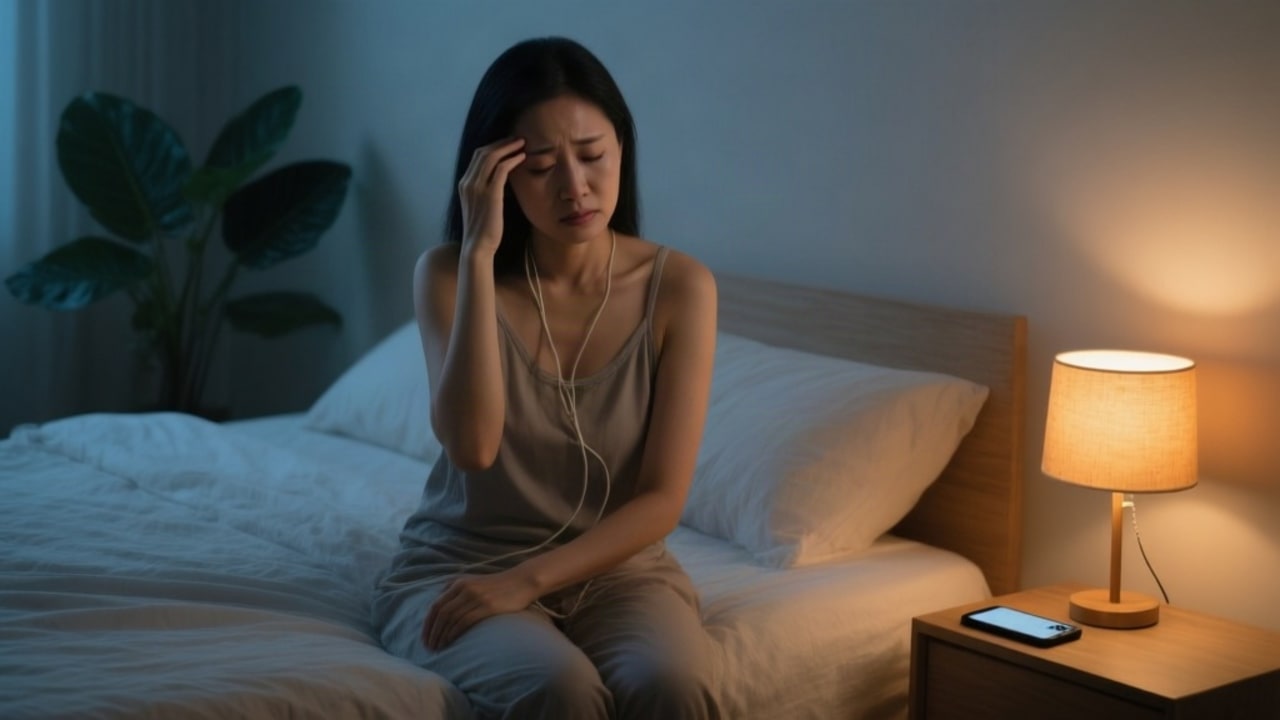
Picture this: your calendar is stacked, your stomach is tight, and your thoughts are sprinting. You blame work, the news, the late coffee. But here’s the thing—your gut may be amplifying every anxious note your brain is hearing.
About one in three people will experience an anxiety disorder at some point. Most of us look straight to our minds for answers. The real kicker? Signals from your gut microbes can nudge stress hormones, tweak brain chemicals, and even mess with your sleep-wake rhythm—quietly steering mood from the inside out.
- Your gut talks to your brain via nerves, immune signals, hormones, and microbial metabolites that can shape anxiety.
- Diet shifts may change gut signals within days; results on mood usually need weeks (4–8) to notice.
- Probiotic strains show small, strain-specific benefits for some people—not a replacement for therapy or meds.
- Counterintuitive: Late-night eating can disrupt the gut–brain circadian rhythm and may heighten next-day stress.
- Fiber, fermented foods, consistent meal timing, and sleep-supporting habits may help calm the stress loop.
The Stress Loop: How Cortisol and Microbes Feed Each Other
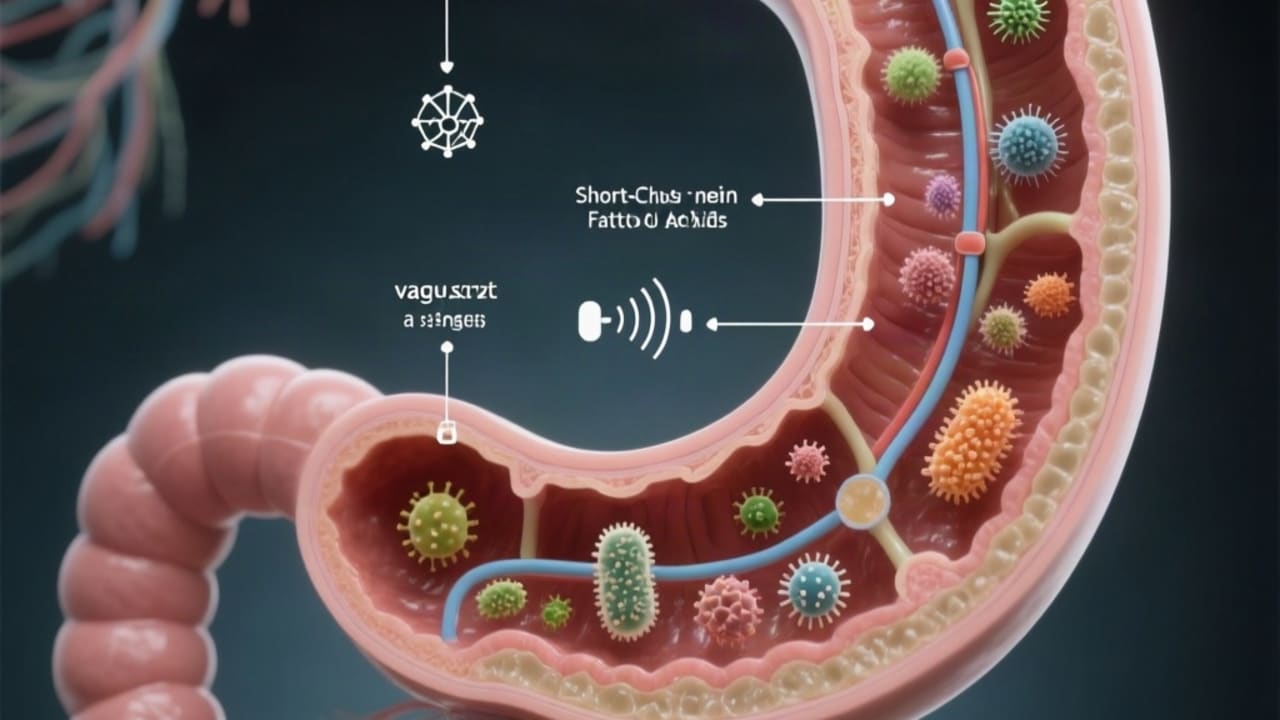
Most people have been there—Slack pings, you inhale a pastry, and an hour later your stomach flips while your brain accelerates. That feeling isn’t “just in your head.” The gut and brain share a two-way hotline through the vagus nerve, immune messengers, and stress hormones like cortisol.
When stress spikes cortisol, the gut lining can get leaky and the microbial neighborhood can shift. In turn, altered microbes send signals that can keep the stress system on high alert. A 2025 article in the Journal of Applied Physiology highlighted how elevated cortisol can reshape the microbiota and disturb the microbiota–gut–brain axis—essentially priming the body for more stress reactivity.
Think of it like an algorithm that learns your habits. The more stress your body “sees,” the more your gut ecosystem may adapt to that setting—sometimes in ways that reinforce the anxious pattern.
What New Research Actually Shows
Here’s what nobody tells you about gut research: not all probiotics are the same, and not all benefits are big. Still, the picture is getting clearer. A 2026 review in Frontiers in Microbiomes summarized evidence that certain microbial patterns correlate with inflammation, stress signaling, and brain-active metabolites—and that targeted “psychobiotics” may reduce anxiety symptoms in some people.
In humans, early trials are promising but modest. For example, a 2022 double-blind study in Food & Function found that a specific heat-killed Lactobacillus strain improved anxiety scores in highly stressed nurses. A 2023 randomized trial in Nutrients reported that psychobiotic effects on anxiety were influenced by lifestyle—people who slept better and ate more fiber saw stronger benefits.
Animal data add plausible mechanisms: in rodent models, Lactobacillus reuteri DSM 17938 improved gut barrier integrity, reduced inflammation, and restored brain-derived neurotrophic factor (BDNF)—a protein tied to resilience—alongside reductions in anxiety-like behaviors. That said, animal effects don’t always translate 1:1 to humans, so expectations should stay grounded.
Food, Timing, and the Circadian Gut–Brain Axis
Your gut microbes keep time. Meal timing, light exposure, and sleep form a three-way rhythm that shapes stress tolerance the next day. When you graze at midnight or scroll past 1am, you’re nudging the gut–brain clock off-beat.
A practical lens: picture a weekday where you eat a fiber-rich lunch at noon, get daylight in the morning, and shut the kitchen by 8pm. Many people describe steadier energy and fewer afternoon jitters—likely because short-chain fatty acids from fiber (like butyrate) help calm inflammation and support the gut barrier. Observational data back parts of this: a 2026 BMC Public Health study linked higher ultra-processed food intake with higher odds of anxiety and stress in teens, while broader research ties consistent routines and fiber to better mood markers.
On the flip side, frequent antibiotics and late-night snacking can throw off microbial balance and rhythm. A 2026 Nature Medicine analysis of nearly 15,000 people connected antibiotic use with distinct, longer-term microbiome shifts—worth remembering when weighing risks and benefits with a clinician.
Probiotics: Smart Ways to Test Them (If You Want To)
If you’re curious about probiotics for anxiety, treat them like you would a new fitness routine: pick a clear program, track, and reassess. Most mood-focused trials run 4–8 weeks and use specific Lactobacillus or Bifidobacterium strains at defined doses.
Look for: named strains (not just species), quality certification, and transparent CFU counts. Pair them with fiber (prebiotics) and consistent sleep for a fair test—because a 2023 trial found lifestyle behaviors modulated outcomes. If you’re immunocompromised, pregnant, or have significant GI disease, discuss any supplement with your clinician first to weigh risks and interactions.
Expect small, gradual changes, not fireworks. And remember, probiotics complement—never replace—evidence-based care like cognitive behavioral therapy, SSRIs/SNRIs when indicated, regular movement, and stress skills.
Why This Matters
Anxiety steals time. If your mornings start with a clenched gut and racing thoughts, knowing there’s a body-based lever you can gently adjust is empowering. Food, timing, light, and sleep are levers you control most days—no prescription required to start.
“When your gut and brain keep the same beat, stress feels more like a wave you can ride—not a riptide that pulls you under.”
And because the gut–brain loop works both ways, small wins compound. Less late-night snacking can mean better sleep; better sleep can mean steadier cortisol; steadier cortisol can mean a calmer gut and clearer head.
What You Can Do Today
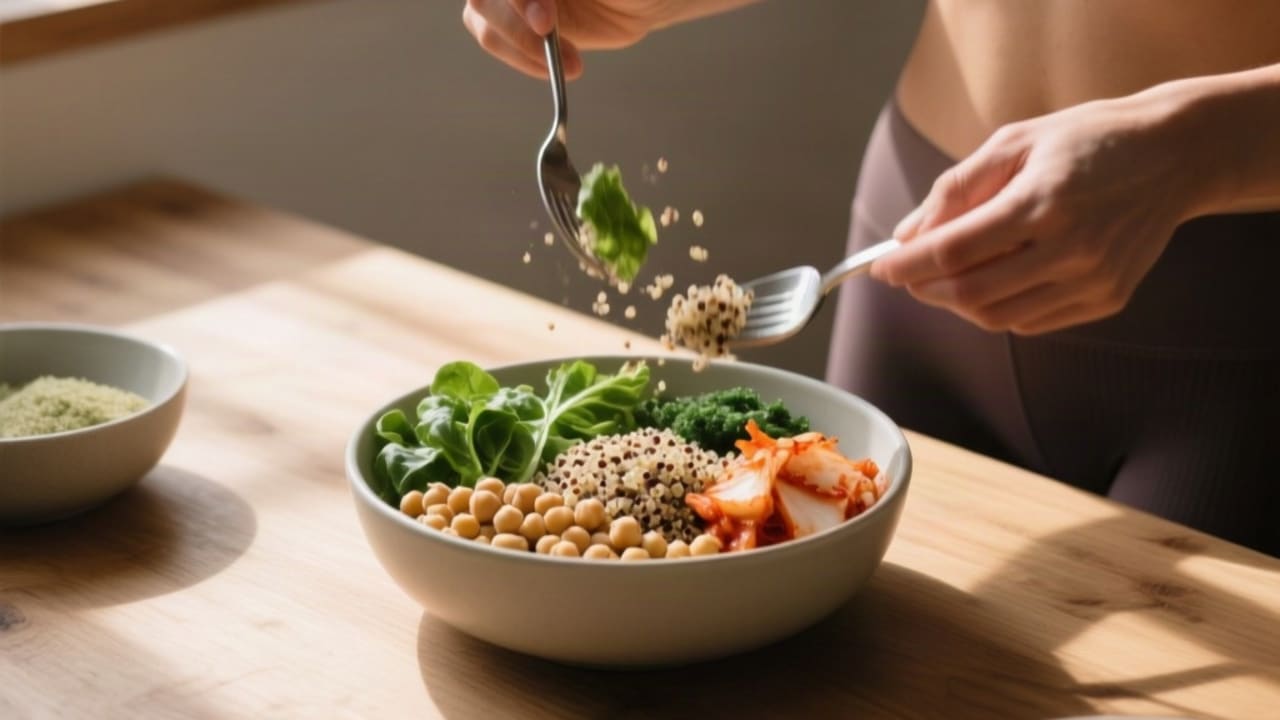
- Try a fiber target: 25–35 g/day from beans, oats, berries, chia, greens. Research suggests short-chain fatty acids from fiber may support stress resilience.
- Anchor your rhythm: morning daylight within an hour of waking, meals in a 10–12 hour daytime window, and a kitchen “curfew” 2–3 hours before bed.
- Add fermented foods 3–5x/week—yogurt with live cultures, kefir, kimchi, sauerkraut. Some people find this helps regularity and mood over a few weeks.
- Do a 4–8 week probiotic trial (optional): choose a product with studied Lactobacillus or Bifidobacterium strains; track sleep, stress, and GI comfort; discuss with a clinician if you have health conditions or take medications.
- Keep core anxiety care in play: therapy, movement most days, wind-down routines, limited late caffeine and alcohol. These may amplify any gut-focused gains.
Your brain isn’t broken—it’s in conversation with your gut. Adjust the inputs, give it a little time, and notice what shifts. If this helped, pass it to a friend who’s been blaming coffee when their microbes might be whispering, too.
Frequently Asked Questions
Many people need 4–8 weeks to notice mood shifts after changing diet, sleep, or adding a probiotic. Gut microbes can respond within days, but brain effects tend to lag.
Evidence points to select Lactobacillus and Bifidobacterium strains in specific doses. Effects are modest and strain-specific, so check labels for named strains and talk with a clinician.
Diet may help, but it’s rarely enough on its own. Combining nutrition, sleep, movement, therapy, and—when indicated—medication tends to work better for most people.