
You meant to power through the afternoon, but at 3 p.m. your brain slows to a crawl. The to-do list is still long, your latte didn’t help, and lately you’re noticing extra hair in the shower drain.
Most people blame stress or “getting older.” But here’s the thing: subtle nutrient gaps can look exactly like modern life — until they don’t. The right clues are hiding in plain sight.
This isn’t about perfection or a multivitamin fix. It’s about learning your body’s early signals before they snowball into bigger problems.
- Fatigue, brain fog, brittle nails, and hair shedding can signal low iron, B vitamins, or vitamin D — but they’re easy to miss.
- The “big three” worldwide: iron, vitamin D, and iodine. Each affects energy, bones, and thyroid function in different ways.
- Medications like metformin and long-term acid reducers may lower B12 or magnesium — worth discussing with your clinician.
- Pair plant iron with vitamin C and keep coffee/tea 1–2 hours away to improve absorption.
- Counterintuitive: Fancy sea salt is usually not iodized — a quiet driver of iodine shortfalls.
The quiet signs most people chalk up to “just stress”
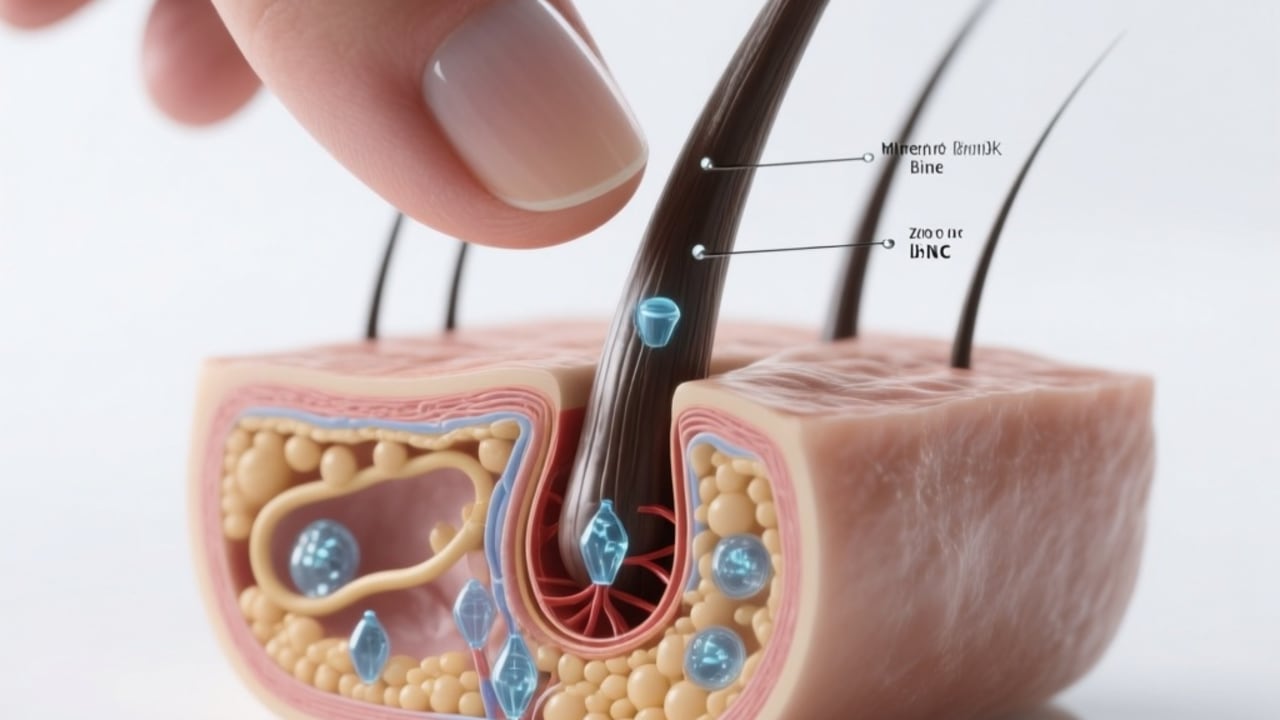
You know that feeling when the word is on the tip of your tongue — again? Brain fog can point to low B vitamins or vitamin D. Mouth ulcers or cracks at the corners of your lips may reflect low iron or certain Bs. Brittle nails and extra hair shedding can track with iron or zinc shortfalls, while achy bones or diffuse muscle weakness can hint at low vitamin D.
Restless legs at night? That can accompany iron deficiency. Feeling unusually cold, puffy, or low-energy? Thyroid hormones — which depend on iodine — might not be at their best. A 2023 World Health Organization analysis reported nearly one in three women of reproductive age are anemic globally, with iron deficiency a leading driver — a reminder that “tired all the time” deserves a closer look.
None of these symptoms prove a deficiency on their own. But patterns matter. When two or three cluster, it’s a nudge to explore labs and your plate.
The big three: iron, vitamin D, iodine
Iron — the oxygen mover
Picture this: you climb two flights of stairs and feel winded and pale. Low iron limits hemoglobin, the protein that carries oxygen — so tissues feel starved. Common signs include fatigue, dizziness, headaches, brittle nails, hair shedding, and restless legs. Heavy periods, pregnancy, endurance training, and low-iron diets can all contribute. WHO reports anemia remains highly prevalent among women and kids worldwide, with iron deficiency a major cause.
Vitamin D — bones, muscles, and mood
You pull on a duvet in July because your body aches near the shins and hips. Low vitamin D can show up as bone or muscle pain, frequent infections, or low mood. Limited sun exposure, darker skin tones, living at higher latitudes, and sunscreen use (still essential for skin health) all reduce production in skin. The NIH Office of Dietary Supplements notes that 25‑hydroxyvitamin D in blood is the best marker to assess status.
Iodine — the quiet thyroid supporter
You swap table salt for flaky sea salt and cut back on seafood. Months later, you feel colder, slower, and more constipated. Iodine is a raw material for thyroid hormones, which set your metabolic “tempo.” Pregnancy increases needs further. Many artisanal salts aren’t iodized, and seaweed snacks can swing too high — both ends matter. Public-health data from UNICEF and the Iodine Global Network show iodine insufficiency can reappear when iodized salt use drops.
Bottom line: iron drives oxygen, vitamin D supports bones and immunity, and iodine powers thyroid. Different roles, overlapping symptoms — that’s why testing beats guessing.
What quietly drains your levels (that nobody mentions)
A perfectly “healthy” routine can still create gaps. Coffee and tea polyphenols reduce non‑heme iron absorption — so that oat‑latte with your fortified cereal may cancel out part of the benefit. High‑fiber, phytate‑rich diets are great for your microbiome but can bind minerals like iron and zinc unless paired with vitamin C or fermented/soaked grains and legumes.
Medications matter too. The U.S. FDA has warned that long‑term metformin use can lower vitamin B12, sometimes leading to neuropathy; periodic B12 checks are advised. Reviews in clinical journals link chronic proton pump inhibitor (PPI) use with lower B12 and magnesium over time — worth balancing with your clinician if you’re on long‑term acid suppression.
Malabsorption from celiac disease, inflammatory bowel disease, or post‑bariatric surgery can reduce uptake of iron, B12, fat‑soluble vitamins (A, D, E, K), and others. And for athletes or heavy exercisers, “low energy availability” can depress ferritin and mess with cycles. A 2022 review in the Journal of the International Society of Sports Nutrition outlined iron risk in endurance athletes — especially menstruating runners.

Smarter testing, smarter fixes
Here’s what nobody tells you: normal‑ish labs can still miss early deficiency. Ask your clinician about context and the right markers, not just “a multivitamin.”
- Iron: A complete blood count (CBC) plus ferritin and transferrin saturation give a clearer picture than hemoglobin alone. Many hematology guidelines consider ferritin below ~30 ng/mL suggestive of iron deficiency in otherwise healthy adults, but inflammation can raise ferritin — context matters.
- Vitamin D: 25‑hydroxyvitamin D [25(OH)D] is the test to request. Supplement dosing should be individualized — avoid megadoses without labs and follow‑up.
- B12: Serum B12 can look “normal” while tissue levels run low; methylmalonic acid (MMA) and homocysteine may add clarity if symptoms persist.
- Iodine/Thyroid: Iodine status is best assessed at a population level via urinary iodine, not usually needed for individuals. If thyroid symptoms show up, clinicians often start with TSH and may add free T4/T3 based on the picture.
A 2021 British Society for Haematology guideline emphasized ferritin and transferrin saturation for diagnosing iron deficiency, while NIH fact sheets outline vitamin D and B12 testing best practices. Food‑first strategies plus targeted, time‑limited supplements — guided by labs — tend to work best.
Why this matters
Because the little stuff adds up. The 2 p.m. crash that makes you short with your partner. The runs you skip because your legs feel like lead. The way you can’t quite find your words in a meeting. These aren’t character flaws — they might be chemistry.
Your body whispers before it ever raises its voice. Learning the whispers can change your week — and your long‑term health.
And what does this mean for your Monday morning? Maybe you move coffee away from your iron‑rich breakfast, swap in iodized salt, and ask for a ferritin test. Small shifts, big ripple effects.
What you can do today
- Audit your salt: If the label doesn’t say “iodized,” it probably isn’t. Switching to iodized salt at home may help support thyroid health; seaweed supplements can overshoot — use cautiously.
- Boost iron the smart way: Pair beans, lentils, tofu, or spinach with vitamin C (citrus, peppers) and keep coffee/tea 1–2 hours away. If you suspect low iron, testing before supplementing is safer.
- Get mindful sunlight: Short midday exposure may help vitamin D production depending on your skin, season, and location; balance with skin protection and consider testing to guide supplementation.
- Check meds with your clinician: If you use metformin, PPIs, orlistat, or have GI conditions, asking about B12, magnesium, iron, and fat‑soluble vitamin monitoring may help.
- Keep a two‑week energy/symptom log: Track sleep, mood, cravings, hair/nail changes, and workouts. Patterns help you and your clinician target labs and nutrition tweaks.
You don’t need a supplement drawer to feel better. A few smart checks — and a plate that quietly works harder for you — may change how you feel by next month. If this resonated, share it with someone who always says “I’m fine, just tired.”
Frequently Asked Questions
It varies. Iron and B12 stores can take weeks to months to rebuild, while vitamin D repletion often needs several months with follow‑up labs. Food changes help, but targeted supplements plus clinician guidance are usually more efficient.
It’s better to test first. Unnecessary iron can cause constipation and, in rare cases, build up to harmful levels. A CBC and ferritin with your clinician can confirm need and dose.
Seaweeds contain iodine but amounts vary wildly and can be excessive. Many clinicians prefer consistent iodized salt or seafood; if you use seaweed, keep portions small and avoid high‑dose supplements unless advised.