
You nailed 8 hours in bed, your coffee is strong, and yet… the 3 p.m. crash still flattens you. Most people blame stress or sleep. But here’s the thing—when your body’s short on key vitamins or minerals, everyday life feels uphill even when everything “looks” fine.
This is hidden hunger: you’re eating enough calories, but missing essential micronutrients. The symptoms are sneaky—fatigue, frequent colds, brain fog, brittle nails, moody swings—and easy to chalk up to a busy life. They’re also fixable.
If you’ve been wondering why the needle won’t move on energy, focus, or immunity, common nutrient deficiencies may be the quiet culprit. Let’s make them visible—and actionable.
- Most-missed nutrients: vitamin D, iron (especially for women), magnesium, zinc, and vitamin B12.
- One surprising blocker: coffee and tea with meals can reduce iron absorption—sip them between meals instead.
- Food-first works: pair iron-rich foods with vitamin C, and take vitamin D with a meal that includes fat for better absorption.
- Test, don’t guess: targeted labs may help if symptoms or risk factors are present—talk with your clinician.
- Supplements aren’t harmless: too much zinc can deplete copper; high-dose iron can upset the gut—dose carefully.
The Quiet Epidemic: Hidden Hunger in Well-Fed Adults
“Healthy-ish” plates can still fall short. National dietary reports highlight underconsumption of vitamin D, calcium, potassium, and fiber for most U.S. adults, with iron a concern for many women of reproductive age. That mismatch—plenty of energy, not enough micronutrients—is the setup for subtle symptoms.
Picture this: you breeze through breakfast with toast and coffee, grab pizza for lunch, and a late salad for dinner. Calories? Covered. Vitamin D, iron, magnesium? Maybe not. The 2020–2025 Dietary Guidelines for Americans flag these shortfalls as widespread, and NHANES analyses suggest many adults fall below the Estimated Average Requirement for magnesium and vitamin D.
Research snapshot: The Dietary Guidelines (2020–2025) identify vitamin D and iron (for some groups) as “nutrients of public health concern,” and NIH fact sheets report ~48% of Americans consume less magnesium than recommended based on NHANES data.
5 Deficiencies Most Likely to Sneak Up on You
1) Vitamin D
Signs can include low mood, frequent colds, muscle aches, or slower workout recovery. Risk rises if you live at northern latitudes, have darker skin, work indoors, or routinely use sunscreen (still smart for skin health).
What helps: fatty fish, fortified dairy/plant milks, egg yolks, and smart supplementation. Taking vitamin D with a meal that contains fat may improve absorption. Many adults need supplements to reach sufficient blood levels, especially in winter—work with your clinician on dosing and retesting.
Research snapshot: NIH/ODS notes widespread insufficiency, and randomized trials show vitamin D supports bone health and immune function; the USPSTF (2021) found insufficient evidence to screen all asymptomatic adults, favoring targeted testing.
2) Iron
Think: exhaustion, pale skin, headaches, brittle nails, shortness of breath on stairs. It’s common in menstruating women, athletes with high training loads, plant-forward eaters, and during pregnancy.
What helps: Pair heme iron (beef, lamb, shellfish) or non-heme iron (beans, lentils, tofu, spinach) with vitamin C (citrus, peppers) to boost uptake. Space coffee/tea >1 hour from iron-rich meals; their polyphenols can inhibit absorption.
Research snapshot: CDC and NIH/ODS report notable iron deficiency among women of reproductive age; bioavailability is improved with vitamin C and reduced by tea/coffee and phytates per long-standing clinical research.
3) Magnesium
Subtle signs: muscle twitches, poor sleep quality, PMS cramps, constipation, and feeling “tired but wired.” Ultra-processed diets are often light on magnesium.
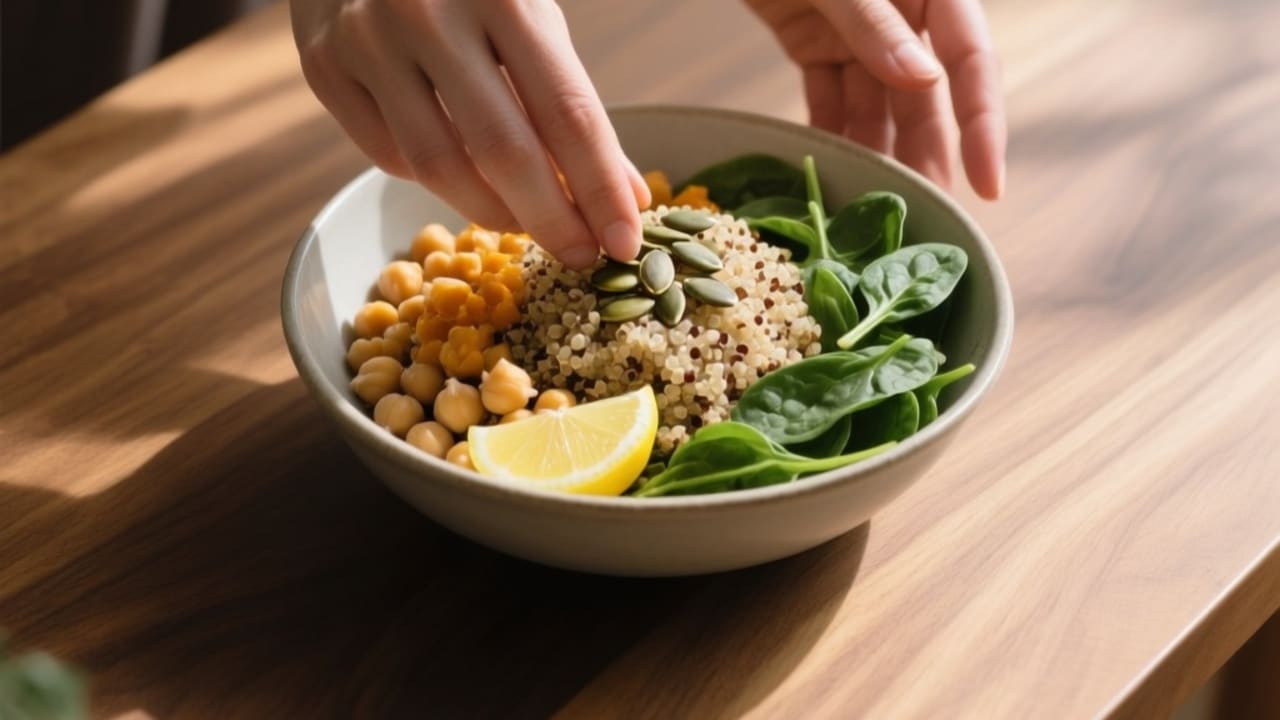
What helps: load your week with leafy greens, beans, pumpkin seeds, almonds, oats, and dark chocolate. Some people find magnesium glycinate gentler on the gut than oxide.
Research snapshot: NIH/ODS summarizes NHANES data showing many adults consume less than the EAR; low magnesium intake has been associated with higher risk of type 2 diabetes and cardiovascular disease in observational studies.
4) Zinc
Frequent colds, slow wound healing, altered taste or smell, and hair shedding can point toward low zinc. Risk rises with limited meat intake, high-phytate diets, and during pregnancy.
What helps: oysters top the charts; also beef, turkey, yogurt, cheese, pumpkin seeds, and chickpeas. If supplementing, avoid chronic high doses—excess zinc can deplete copper and affect immunity.
Research snapshot: NIH/ODS notes marginal zinc intake in some U.S. adults and cautions that intakes above the Tolerable Upper Intake Level (40 mg/day) can induce copper deficiency.
5) Vitamin B12
Low B12 can look like brain fog, numbness/tingling, weakness, or megaloblastic anemia. Vegetarians/vegans, adults over 50, and people using metformin or certain acid-reducing meds are at higher risk.
What helps: fish, eggs, dairy, and fortified plant milks/cereals. If you follow a vegan diet or take metformin long term, discuss periodic B12 checks with your clinician.
Research snapshot: NIH/ODS documents impaired B12 absorption with metformin and chronic proton-pump inhibitor use; the ADA recommends considering periodic B12 testing in longstanding metformin therapy.
Why You Might Be Missing Them
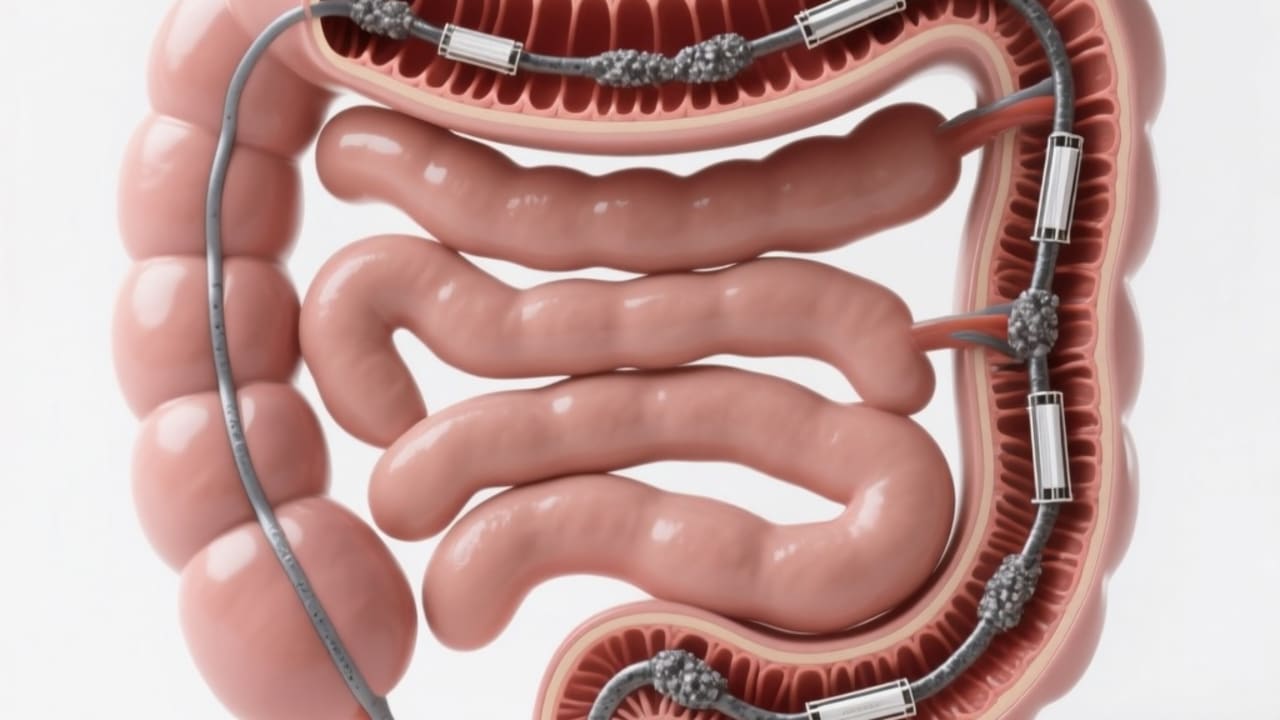
Life blocks absorption more than you think. Coffee and tea with meals can inhibit iron uptake; whole grains and legumes are healthy but their phytates can bind iron and zinc (a reason to soak/sprout or pair with vitamin C). Low-fat meals may reduce vitamin D absorption. And heavy training can raise iron needs.
Medications matter too. Long-term proton pump inhibitors have been linked with lower B12 status, and metformin can reduce B12 over time. If that’s you, it’s worth a conversation about monitoring and food strategies.
Research snapshot: A JAMA study (2013) associated prolonged PPI use with B12 deficiency; the ADA’s Standards of Medical Care advise considering periodic B12 checks in chronic metformin users; classic iron research shows polyphenols and phytates reduce non-heme iron absorption.
Testing Smart—When, What, and How
You don’t need a mega-panel to be informed. If you have consistent symptoms or risk factors, a clinician may consider targeted labs: 25(OH)D for vitamin D; a complete blood count plus ferritin (and sometimes iron/TIBC) for iron status; B12 (and methylmalonic acid if results are borderline). Magnesium is mostly inside cells—serum magnesium can miss marginal shortfalls, but it’s a starting point.
The USPSTF found insufficient evidence to screen all asymptomatic adults for vitamin D deficiency. Translation: testing is most useful when there’s a clinical reason. If you supplement, retest after 8–12 weeks to see if your plan is working, then adjust with your clinician.
Research snapshot: USPSTF (2021) on vitamin D screening; obstetric and primary-care guidance support anemia screening in pregnancy and when symptoms suggest deficiency.
WHY THIS MATTERS
Micronutrient gaps don’t just show up on lab slips—they shape your Mondays. The extra nap you need after lunch, the cold you can’t kick, the sprint workouts that feel weirdly hard—these are the body’s polite pings that something’s missing.
“Hidden hunger doesn’t roar—it whispers through fatigue, fog, and small frustrations that add up.”
Shifting a few daily habits—how you pair foods, when you sip coffee, whether your supplement matches your actual need—can bring back energy you thought you’d lost to adulting.
WHAT YOU CAN DO TODAY
- Build “power pairs” at meals: combine iron-rich foods (beans, lentils, beef, tofu, spinach) with vitamin C (citrus, berries, peppers). This pairing may help absorption.
- Time your coffee/tea: enjoy them 1–2 hours away from iron-rich meals. Research suggests polyphenols can reduce non-heme iron uptake.
- Upgrade staples for magnesium: swap in oats or quinoa, add a handful of pumpkin seeds or almonds, and include leafy greens most days.
- Consider vitamin D with meals: taking D3 with a meal that includes fat may improve absorption; discuss a dose that fits your labs, season, and risk factors.
- Supplement wisely: if needed, start low and avoid chronic high doses. Common safety guardrails: zinc ≤40 mg/day, supplemental magnesium ≤350 mg/day (from pills/powders), and avoid iron unless deficiency is confirmed or advised by a clinician.
You don’t have to overhaul your life to feel better. Small, consistent nutrition moves can quietly refill the tank—and your body will let you know when it’s working.
Frequently Asked Questions
Because iron can be hard on the gut and excess isn’t harmless, it’s best to confirm with a ferritin/CBC before supplementing. In the meantime, food strategies—like pairing beans or beef with vitamin C and spacing coffee—may help improve iron status.
Many adults need vitamin D support, especially in winter or with limited sun exposure. A simple 25(OH)D blood test can guide dosing; taking D with a meal that includes fat may help absorption. Discuss target levels and retesting with your clinician.
Magnesium glycinate or magnesium citrate are often better tolerated than oxide, which can be more laxative. Start low (e.g., 100–200 mg elemental) and adjust with your clinician, especially if you have kidney issues or take medications.