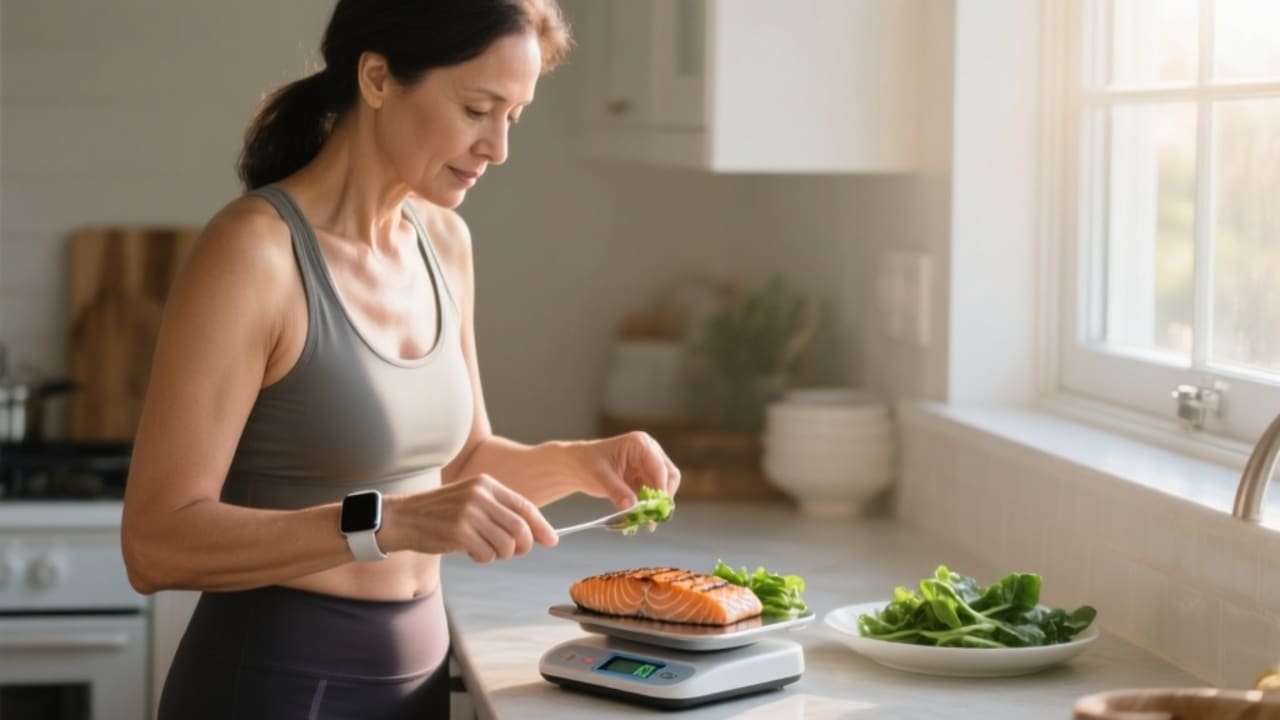
What if living longer wasn’t about a total life overhaul, but about stacking a few well-chosen, tiny moves? Not a new identity, not a 5 a.m. bootcamp streak — just small, consistent nudges in a smarter direction.
Here’s the thing: recent research is unusually encouraging. In 2026, multiple teams reported that variety in exercise and incremental upgrades to sleep, food, and movement can meaningfully extend healthy years — no perfection required. So what does that actually mean for your Tuesday morning?
Why Exercise Variety Beats Just Volume
Most people focus on minutes. But a January 20, 2026 analysis from Harvard T.H. Chan School of Public Health, published in BMJ Medicine, found something sneakier: people who did a wider variety of activities — think walking, weight training, cycling, gardening — had a 19% lower risk of premature death than those who stuck to just one or two types, even when total activity time was the same.
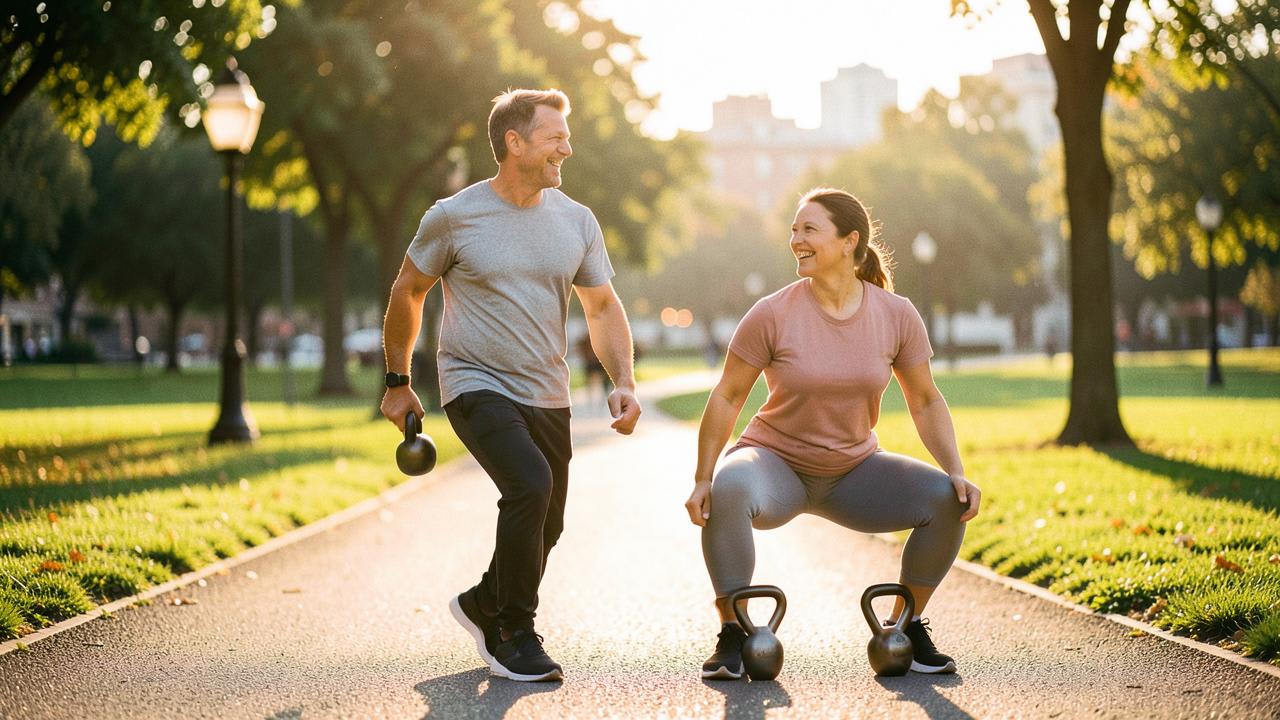
Picture this: Monday’s fast walk, Wednesday’s kettlebells, Saturday’s gardening, and a Sunday stretch class. Same total minutes as your neighbor’s daily jog, but your heart, muscles, bones, and balance each get a turn at the podium. Variety spreads the benefits — and the wear-and-tear — in a way your body seems to love.
And you don’t need to train like a decathlete. The CDC still recommends at least 150 minutes of moderate activity weekly plus strength work twice a week, but the Harvard team’s point is simple: mix it up. If you already walk, add resistance bands. If you lift, add a cycle class or a brisk hike. Wearables can help you track patterns and nudge you toward balance (hello, “movement streak”).
Tiny Tweaks That Compound — Sleep, Food, Movement
If the word “longevity” makes you think of drastic diets and hours at the gym, good news: you can exhale. Coverage by NBC News in January 2026 highlighted emerging research showing that small, synchronized improvements across sleep, nutrition, and exercise collectively nudge life expectancy upward. We’re talking minutes and handfuls, not marathons and meal replacements.
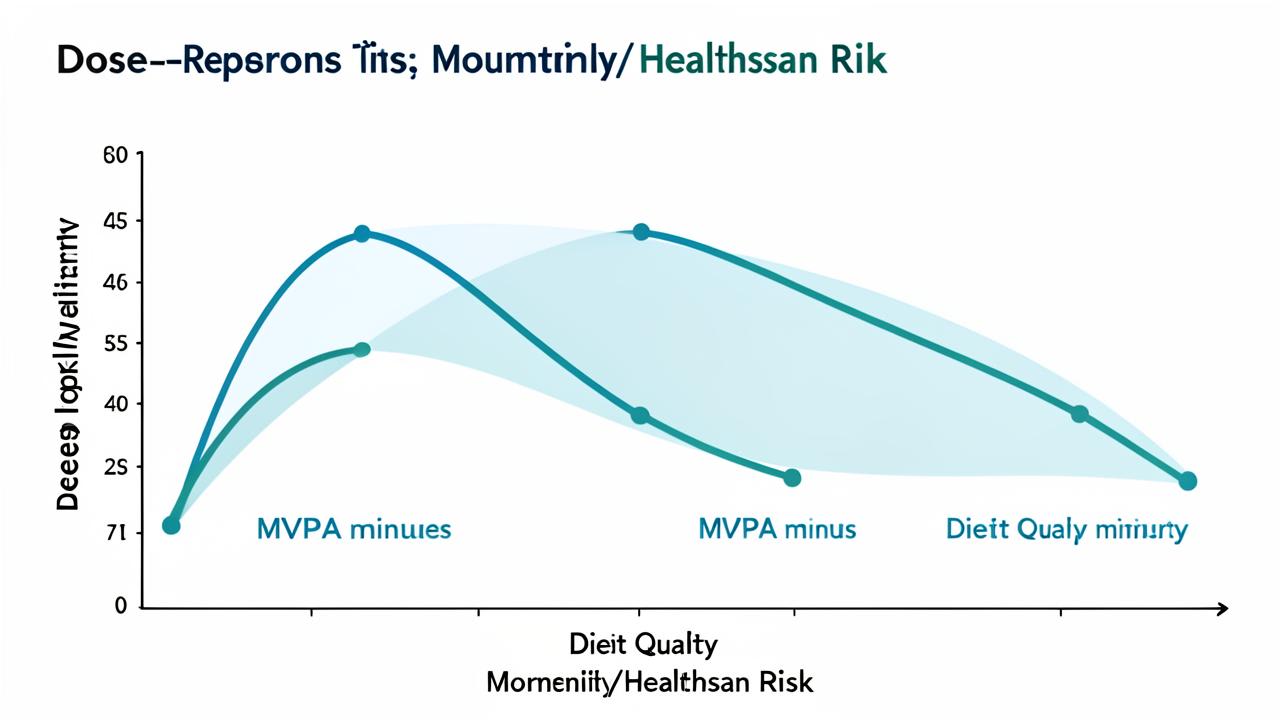
A HealthDay report the same month summarized related findings: the biggest health gains often come when people go from very little movement to some movement, with benefits leveling off around 50 minutes per day for many. Translation: if you’re mostly sedentary, a 10–15 minute daily walk plus a couple of short strength sessions can be wildly impactful. Start where you are; stack gradually.
Longevity favors consistency over intensity — small steps repeated daily.
So what does “tiny” look like? Try this trio: add 10 minutes of movement, add one fist-sized serving of plants, and add 15 minutes of sleep tonight. Not glamorous. Very effective. And because each behavior reinforces the others — better sleep improves appetite control and workout motivation; better diet steadies energy for exercise — you get compounding returns.
Sleep: The Quiet Force Multiplier
You know that feeling when you crush a workout after a decent night’s sleep? Not an accident. Sleep calibrates hormones that govern hunger (ghrelin, leptin), supports insulin sensitivity, and repairs the tissues you ask to perform during the day. Most adults do best at 7–9 hours a night; even edging up by 15–30 minutes can move the needle on energy and cravings.
Make it easier (not perfect)
Picture this: you set a phone alarm that says “bed wind-down,” dim the lights, and step out on your balcony for two minutes of cool air. You plug your phone in across the room. You don’t ban screens forever, you just make fatigue win sooner. Morning light within an hour of waking (a sunny window or short walk) helps anchor your body clock so nighttime feels sleepy again.
- Keep a consistent wake time (even on weekends, within an hour).
- Front-load caffeine before noon; keep late alcohol light and early.
- Think “warm bath, cool room”: a drop in core temp cues sleep onset.
Eat For Years, Not Just Today
Balanced, mostly whole-food eating isn’t exactly news, but it’s still the most reliable play. Harvard’s School of Public Health has long tied higher intakes of fruits, vegetables, whole grains, nuts, and legumes to healthier, longer lives. And a 2022 PLOS Medicine modeling study estimated meaningful longevity gains by shifting toward more plants, fiber, and unsaturated fats — especially when starting earlier, but still valuable at any age.
The goal isn’t a perfect label. It’s fewer ultra-processed foods, steadier protein (especially if you’re 50+ and want to keep muscle), and fiber that feeds your gut microbes — quiet architects of immunity and inflammation.
10-minute upgrades that actually fit
- Add a cup of berries or a crisp apple to breakfast.
- Swap one refined-grain serving for a whole grain (quinoa, oats, farro).
- Build a “3-2-1” plate at dinner: 3 colors of plants, 2 palmfuls of protein, 1 thumb of olive oil or nuts.
- Hydrate on habit: drink a glass of water right after you brush your teeth.
Most people have been there — 3 p.m., you’re tired, and the vending machine is whispering. Here’s a tiny re-route: keep a snack kit (nuts + fruit + jerky or yogurt) in your bag or desk. You’re not resisting willpower; you’re redesigning the path of least resistance.
Make It Stick With Systems, Not Grit
Motivation is fickle. Systems are faithful. Behavioral science backs “implementation intentions” — the if-then plans that turn vague goals into scripts. Because when 6:30 p.m. you is tired, a pre-decided 10-minute walk beats a debate about the gym.
Try this simple scaffolding
- Habit-stack: “After I make coffee, I do 8 air squats.”
- Default the environment: sleeping mask on pillow, shoes by the door, carrots front-row in the fridge.
- Track variety, not just minutes: aim for 3–4 distinct activities each week.
- Lower the bar on “busy” days: 5 minutes counts. Because it does.
You know that feeling when a plan finally feels doable? That’s the point. The best predictor of future behavior is past behavior — start small enough to repeat tomorrow.
Actionable Takeaway
This week’s micro-plan: pick one upgrade in each pillar and keep it repeatable.
- Movement: Add 10 minutes to your day and one new activity (e.g., resistance bands or a bike ride). Hit strength twice this week.
- Sleep: Move bedtime earlier by 15 minutes, set a wind-down alarm, and get morning light for 5–10 minutes.
- Food: Add one plant to every meal; swap one ultra-processed snack for a whole-food option.
Track how you feel by Friday — energy, mood, cravings, soreness. If it’s too easy, nudge the dial. If life gets loud, shrink the rep, not the habit.
The real kicker? You don’t need to overhaul your identity to extend your healthspan. Mix your moves. Add minutes where you can. Go to bed a touch earlier. Eat more plants. Repeat — and let time do what time does best: compound the quiet wins.