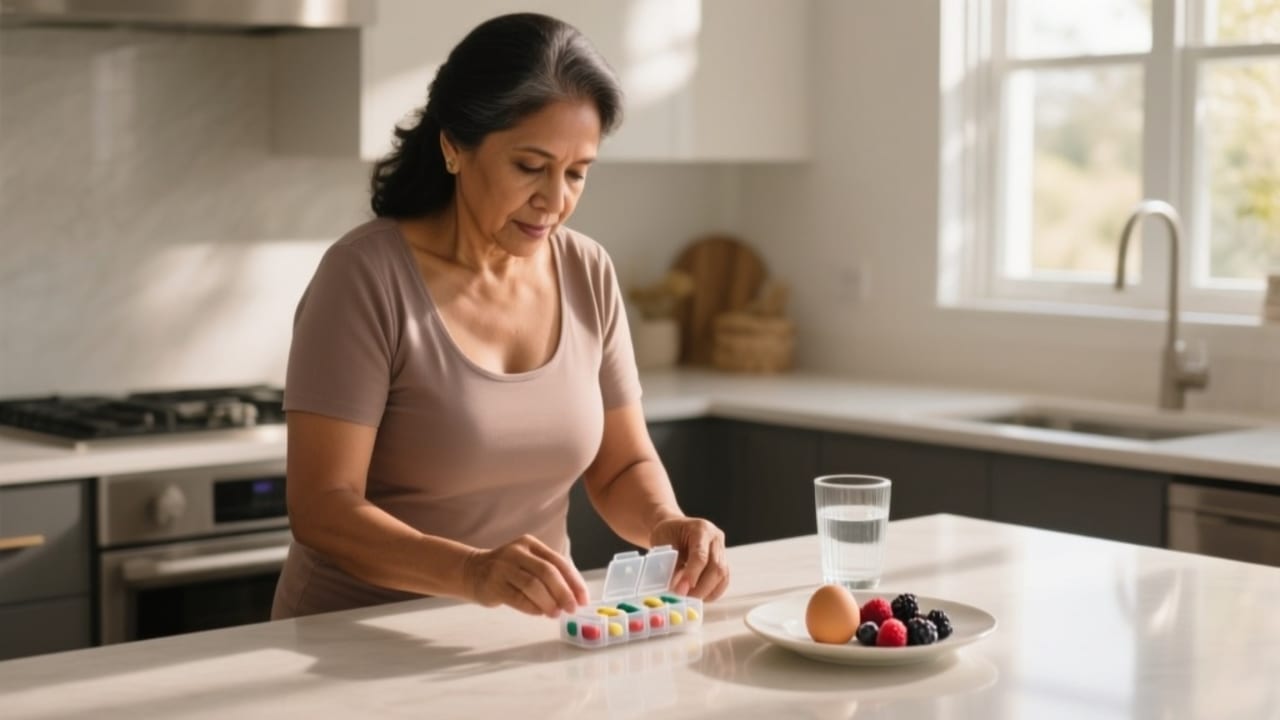
You don’t need a 5 a.m. ice bath, a glucose monitor, and a color-coded salad the size of your head to live longer. The newest research suggests something far less dramatic — and way more doable. Tiny, almost boring changes, stacked day after day, quietly compound into extra healthy years.
Picture this: you press snooze, but instead of doomscrolling, you fall back asleep for five more minutes. Later, you take the stairs for two minutes because the elevator’s packed. At dinner, you add half a cup of greens to whatever you’re already eating. That’s it. According to a 2026 study in eClinicalMedicine using nearly 60,000 UK Biobank participants — and echoed in NBC News/HealthDay coverage — those modest bumps in sleep, movement, and diet were linked to living longer, with some estimates pointing to as much as four extra disease-free years when these small habits were combined. Not a lifestyle overhaul. Just the tiniest nudge in a better direction.
The science of small: why tiny wins matter
Here’s the thing about human physiology: it’s responsive, especially when you’re coming from very low baselines. That 2026 eClinicalMedicine analysis looked for the smallest possible improvements that still showed a measurable effect. What’s surprising is how little it took — roughly five extra minutes of sleep, about two more minutes of moderate-to-vigorous activity, and a half serving of vegetables per day were associated with longer life compared with people in the bottom 5% of overall habits. And a separate report summarized by NBC News/HealthDay noted a combined package — around 24 more minutes of nightly sleep, roughly four extra minutes of daily exercise, and a modest diet-quality bump — could add up to four healthy years.
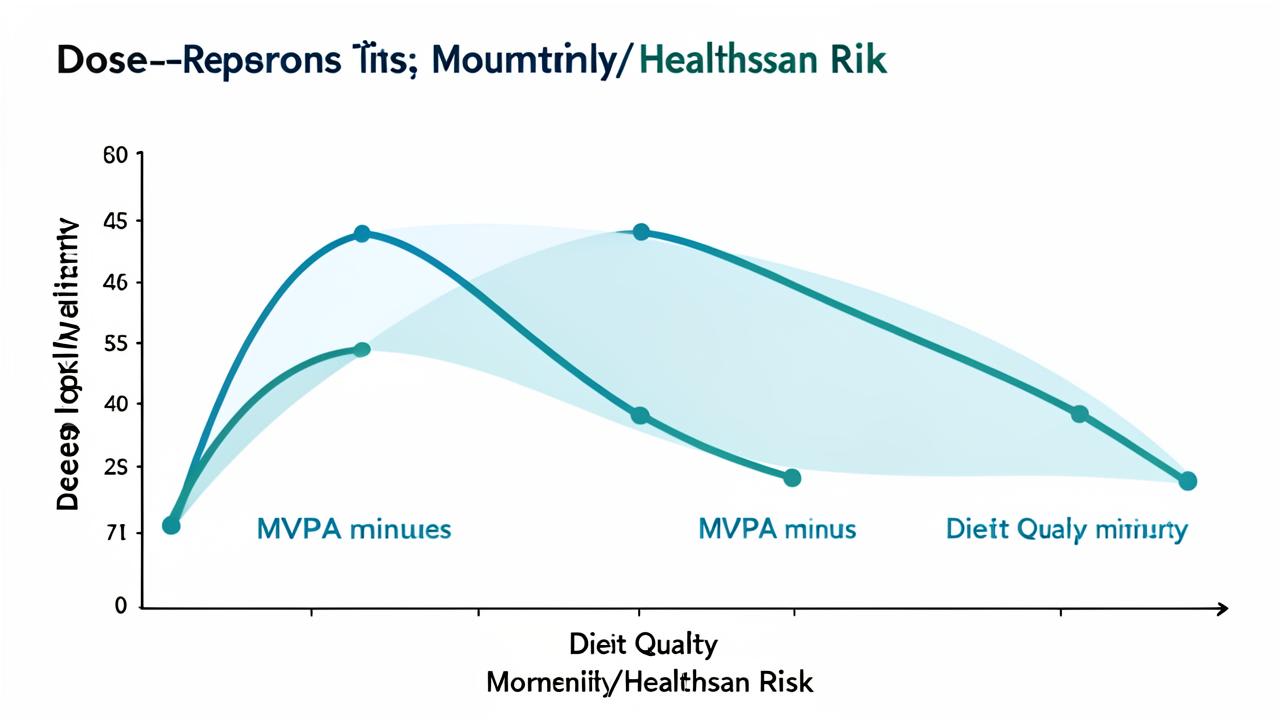
Because biology isn’t binary, the first bit of improvement often buys you the biggest return. The curve is steepest at the start — going from “almost none” to “a little” often matters more than going from “good” to “excellent.” That’s consistent with years of data on movement, sleep, and diet: early gains are oversized.
Move a little more — it compounds fast
Most people have been there — you stare down a 45-minute workout and do nothing instead. But two minutes of brisk stairs? You’ll do that. A 2019 JAMA Internal Medicine study in older women found that moving from about 2,700 to 4,400 steps per day substantially lowered mortality risk, with benefits leveling off around 7,500 steps. And a 2021 JAMA Network Open analysis in middle-aged adults linked 7,000–8,000 daily steps to markedly lower mortality compared with fewer steps. Translation: the first few thousand steps deliver huge dividends.
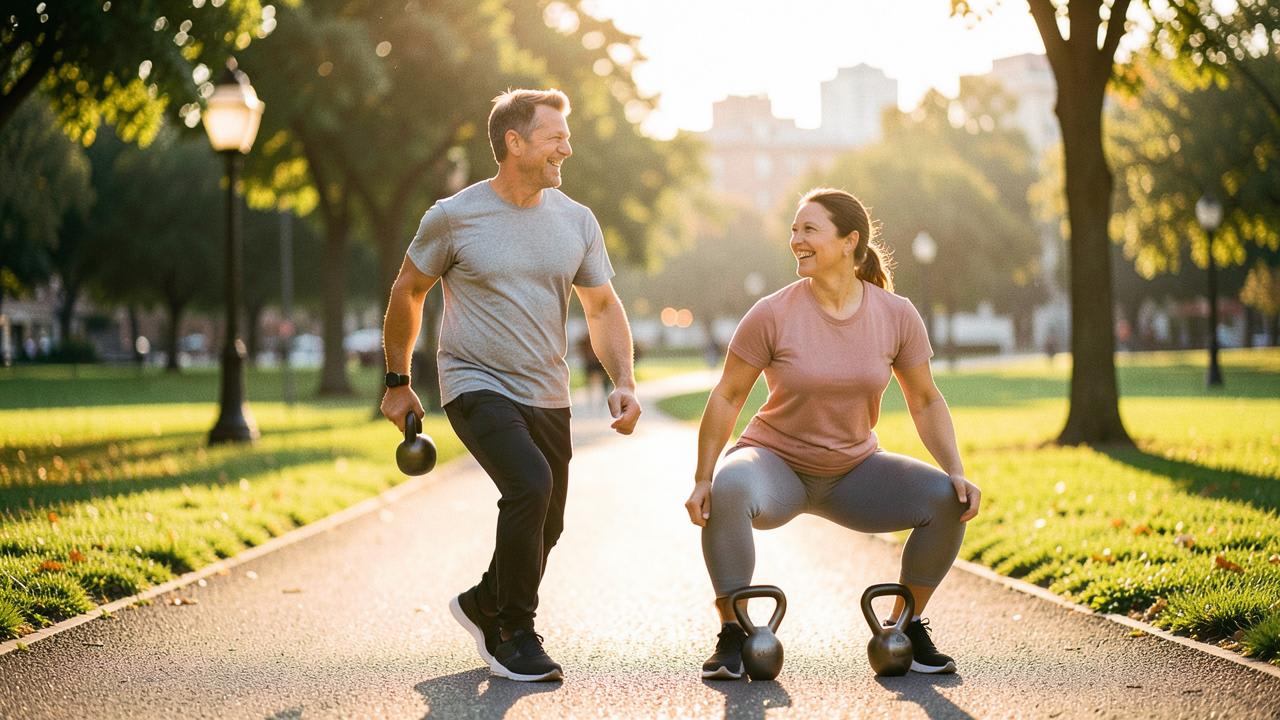
What does that mean for your Tuesday morning? Don’t chase perfect; chase “a little more.” Two-minute “movement snacks” — a brisk loop around the block between calls, a set of bodyweight squats while coffee brews, farmer’s carries with grocery bags — all nudge your cardiovascular system, muscles, and mitochondria. Wearables can help here: as WashU’s 2026 lifestyle guidance notes, watches and rings make it easy to personalize goals and keep score. And if you enjoy structure, the CDC’s north star remains 150 minutes of moderate activity weekly plus two days of strength training — but even short bursts move you in the right direction.
The biggest returns show up when you go from “almost none” to “some.” Two minutes now beats forty-five minutes never.
Quick ways to add minutes without “working out”
- Adopt a “first-floor rule”: stairs up one floor, stairs down two.
- Phone-call laps: walk every time you’re on a call.
- Mailbox sprints: 90 seconds brisk pace to a landmark, stroll back.
- Strength in sips: 10 pushups or 15 air squats before each meal.
- Ruck light: add a backpack on walks a few days a week to build strength and cardiovascular load gently.
Sleep: small increases, big downstream effects
Sleep is recovery — for your heart, hormones, immune system, and brain. The American Academy of Sleep Medicine recommends 7–9 hours for most adults. But here’s the relief: you don’t have to fix sleep in one heroic leap. The 2026 coverage of the eClinicalMedicine analysis suggests even five extra minutes made a measurable difference at the population level, with larger gains as people moved toward healthier ranges.
You know that feeling when you chase “perfect sleep” and get more anxious? Flip the script. Prioritize regularity over perfection. A consistent sleep and wake time anchors your body clock, which tends to improve total sleep time and quality. Keep your wind-down incredibly simple — 10 minutes of lights-down, phone-away, and a few slow breaths (try 4 seconds in, 6 out for five rounds). Because arousal is the enemy of sleep, a tiny nervous-system shift toward “rest-and-digest” goes further than another supplement.
Two sleep nudges that actually stick
- Move bedtime five minutes earlier each week until your morning feels easier.
- Morning light, no sunglasses, for 5–10 minutes — training your circadian rhythm the easy way.
Eat for longevity without starting over
Diet advice often sounds like a personality transplant. It doesn’t have to. A 2021 Circulation analysis across large cohorts found the lowest mortality risk at roughly “5-a-day” — about two servings of fruit and three of vegetables. And a 2019 Lancet meta-analysis reported that higher fiber intake (around 25–29 grams/day) was linked to lower all-cause and cardiovascular mortality, with benefits likely continuing at even higher intakes.
So start laughably small. Add a half serving of vegetables to one meal you already eat — toss a handful of spinach into eggs, tomatoes onto a sandwich, frozen broccoli into pasta. Swap one refined-carb side per day for a high-fiber option: berries instead of cookies, chickpeas instead of croutons, brown rice instead of white once or twice a week. Because satiety is a stealth superpower, pair fiber with protein (Greek yogurt, tofu, fish, eggs, beans) to make “less snacking” happen without willpower theater.
Simple upgrades you’ll actually keep
- One produce rule: “Something green before 3 p.m.”
- Fiber floor: add one high-fiber food to your first meal (oats, berries, chia, beans).
- Protein anchor: include a palm-sized protein at lunch to steady afternoon energy.
- “Half-and-half” cooking: mix half white rice with half cauliflower rice or quinoa.
Restore your nervous system, recover better
Stress recovery isn’t a luxury — it’s a longevity lever. As longevity watchers have noted for 2026, nervous-system recovery is going mainstream. Spending less time in fight-or-flight is associated with lower inflammation and better sleep and cognition, which then make movement and nutrition easier to sustain. The effect is circular in the best way.
Because recovery is trainable, aim for micro‑moments: 60 seconds of slow nasal breathing before meetings, a two-minute outdoor pause between tasks, or an evening “tech off” boundary 30 minutes before bed. These nudges widen your stress buffer without hijacking your day.
Actionable takeaway: a one-week micro-habit plan
Try this seven-day sequence. It’s built to feel almost too easy — by design — and to stack wins.
- Day 1 — Sleep: Move bedtime 5 minutes earlier. Phone charges outside the bedroom.
- Day 2 — Move: Add a two-minute brisk stair climb or hallway march mid-morning and mid-afternoon.
- Day 3 — Eat: Add a half cup of vegetables to lunch. Frozen counts.
- Day 4 — Stress: Two rounds of 4–6 breathing before dinner (4 seconds in, 6 out).
- Day 5 — Strength: One “incidental” set — 12–15 squats and 8–10 pushups — sometime before noon.
- Day 6 — Light: Get 5–10 minutes of morning daylight. No multitasking; just look around and breathe.
- Day 7 — Anchor: Take a 10-minute walk after your largest meal to aid glucose control and digestion.
From here, keep the ones that felt easiest and repeat them. Layer in one new micro-habit each week. If you like metrics, set a wearable prompt to nudge one extra “movement snack” per day and a bedtime alarm 15 minutes ahead of your current schedule. If you hate metrics, tie habits to existing anchors (after coffee, after a meeting, before shower) and let routine carry the load.
And because people ask about “optimal”: the CDC’s 150 minutes/week, two strength sessions, 7–9 hours of sleep, and a fiber-rich, produce-forward pattern are excellent goals. But the data — from step counts to the 2026 eClinicalMedicine analysis — keep telling the same story: the first small steps deliver the biggest bang.
Bottom line: You don’t need a new identity to add healthy years. You just need a few more minutes — of sleep, of movement, of real food — repeated until they feel like you.