You’ve heard the advice a hundred times: eat to reduce inflammation. But here’s the twist the science keeps underscoring — your gut microbes are co-authors of that plan, and timing may be just as influential as the menu. The result isn’t a fussy trend. It’s a smarter way to feed a complex ecosystem that, in turn, shapes your metabolism, immunity, and even cardiovascular health.
In 2025, gastroenterology researchers doubled down on the microbiome’s central role in health, and by 2026, nutrition scientists were pushing toward precision — away from one-size-fits-all, toward advice grounded in mechanisms and real-world feasibility. That sounds lofty. But what does it mean for your Tuesday morning bowl, your evening timing, your heart?
Inflammation, your heart, and the microbes between
Let’s start with something measurable. The Dietary Inflammatory Index (DII) estimates how pro- or anti-inflammatory your overall eating pattern is. In a recent peer‑reviewed study, higher DII scores — think ultra-processed meals, low fiber, fewer colorful plants — tracked with worse cardiovascular health on the American Heart Association’s Life’s Essential 8 score. The kicker? Those higher DII scores also aligned with a gut ecosystem that looked less friendly, including fewer short‑chain fatty acid (SCFA) producers like Allobaculum and Barnesiella, and shifts in taxa such as Intestinimonas that help maintain metabolic balance.
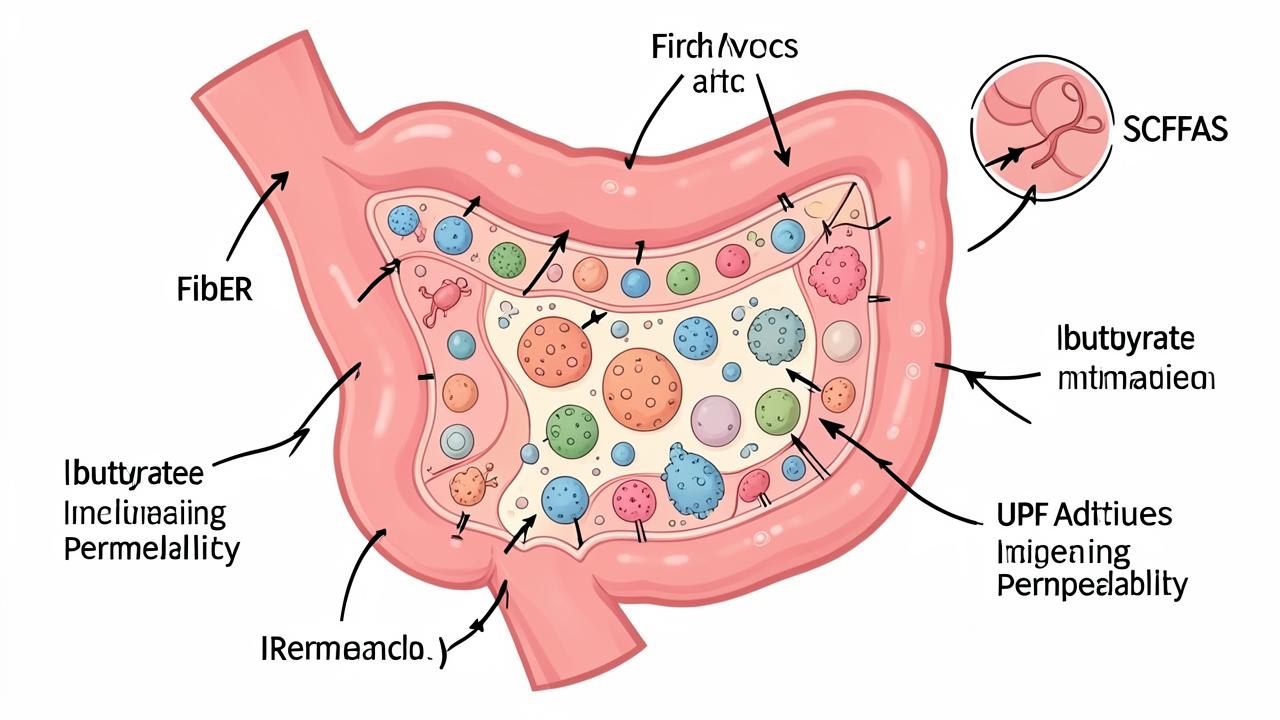
Picture this: two neighbors both hit their daily calorie goal. One builds meals with lentils, olive oil, salmon, herbs, berries. The other leans on refined grains, sugary coffee drinks, and takeout. Same energy, wildly different inflammatory potential — and a gut community that adapts accordingly. SCFAs like butyrate (what those microbes make from fiber) help maintain the gut barrier, tamp down overactive immune signaling, and support insulin sensitivity. Pro‑inflammatory patterns tend to starve the very microbes that build that protective chemistry.
When you eat can re‑tune your gut
Much of nutrition focuses on the plate. But the clock matters, too. At NeuroGASTRO 2025, researchers highlighted how intermittent fasting and time‑restricted eating can reshape microbial rhythms, gut hormone secretion, and intestinal function. Translation: compressing your eating window — even modestly — may help your microbes and your metabolism keep better time with your circadian biology.
Most people have been there — late dinner, fitful sleep, next‑day cravings. Turns out your microbes feel the jet lag, too. Early‑day calories tend to pair better with insulin sensitivity and digestive hormones; late‑night grazing can push against those natural peaks. That said, IF isn’t magic or for everyone (especially if you’re pregnant, have a history of disordered eating, diabetes on medications, or shift‑work challenges). The principle to borrow is rhythm: a consistent overnight fast; meals aligned earlier in the day; fewer grazing spikes.
A gentle way to test timing
Try a 12:12 schedule (12 hours eating, 12 fasting overnight), shifting your last bite earlier. If that feels good, many people do well at 14:10. The goal isn’t hunger games — it’s nudging your gut‑brain‑microbiome axis back into sync.
Quality over calories: polyphenols and the gut barrier
Here’s the thing: calories don’t capture what your microbes do with food. At NeuroGASTRO 2025, Simone Guglielmetti, PhD, presented clinical findings showing that a polyphenol‑rich dietary pattern — think extra‑virgin olive oil, berries, cocoa, herbs, dark leafy greens — reduced intestinal permeability and lowered pro‑inflammatory, bacteria‑derived mediators, even in older adults. That’s a big deal. A leakier gut allows more inflammatory signals to reach the bloodstream; tightening that barrier changes the entire conversation between your microbes and immune system.
You know that feeling when you swap a beige dinner for something colorful and feel lighter the next morning? Part placebo, part physiology. Polyphenols often act as prebiotics for beneficial microbes and as gentle signals to human cells. Combine them with fiber and unsaturated fats, and you’ve built a daily anti‑inflammatory rhythm your microbiome can amplify.
“It’s not the quantity of calories so much as the quality of the diet for healthy aging.” — highlighted in GMFH’s NeuroGASTRO 2025 coverage

From one‑size‑fits‑all to precision plates
A 2026 perspective in Frontiers in Nutrition argued that precision nutrition should be mechanistically grounded, validated by outcomes, and feasible in real life — with standardized microbiome methods and biomarkers to move from association to causality. That sounds wonky, but it protects you from hype. It means better data on which foods meaningfully change inflammation for you, not just “people like you.”
What’s surprising is how close this is getting to the clinic. GMFH’s 2025 year‑in‑review flagged emerging biomarkers — including bacterial DNA in blood — that might identify vulnerable people earlier, plus more rigorous evaluations of probiotics in IBS and beyond. Caution still matters: many direct‑to‑consumer microbiome tests can’t yet predict the “perfect” diet. But the direction is clear: personalized advice built on validated signals, not vibes.
So, what do you do right now while the science matures? You adopt patterns that stack the odds in your favor — low‑DII meals, consistent timing, polyphenol‑rich swaps — and adjust based on sleep, energy, digestion, and lab markers with your clinician’s help.
Actionable takeaway: build your anti‑inflammatory rhythm
- Front‑load fiber and color. Aim for vegetables, legumes, nuts, seeds, and whole grains in most meals. These feed SCFA‑producing microbes linked with gut barrier integrity and insulin sensitivity.
- Polyphenol every plate. Add berries or citrus to breakfast; extra‑virgin olive oil and herbs at lunch; greens, tomatoes, or cocoa (unsweetened) at dinner. Your microbes use these as signals — and snacks.
- Shift your clock earlier. Keep a steady overnight fast (12–14 hours) and make dinner your lightest meal when possible. Notice sleep and energy differences after a week.
- Go for fats that soothe, not spark. Swap butter and highly processed seed‑oil snacks for olive oil, avocado, nuts, and fatty fish rich in EPA/DHA.
- Ferment strategically. Include yogurt or kefir (unsweetened), kimchi, or sauerkraut if tolerated. Start small, especially if you have IBS, and track symptoms.
- Watch ultra‑processed “creep.” Packaged sweets, refined snacks, and sugary drinks tend to raise DII and starve SCFA producers. Keep them as true treats.
- Mind stress and sleep. Cortisol swings change appetite and microbial composition. Short evening screens‑off routine and a 10‑minute walk post‑meal go a long way.
- Personalize with data, not dogma. If possible, check fasting glucose, lipids, and hs‑CRP with your clinician. Adjust food timing and fiber load based on your numbers and how you feel.
Most of this isn’t flashy. It’s a daily cadence that nourishes the microbes that, in turn, nourish you. And it lines up with where the field is headed: an anti‑inflammatory plate tuned to your biology, not the algorithm’s.
If you like a north star, use this: eat plants in their rainbow skins, choose fats your grandmother would recognize, keep a calm overnight gap, and let your microbiome handle the micro‑miracles. Because when your gut is in rhythm, the rest of you tends to follow.