
Most people blame “just being busy” for their 3 pm crash, achy joints, or that stubborn brain fog. But here’s the thing—sometimes those everyday annoyances are your immune system whispering that the fire’s been smoldering for a while.
Picture this: you’re on your third coffee, your knees complain when you stand, your skin’s flaring again, and your stomach can’t decide between bloated or empty. It’s tempting to treat each problem separately. The real kicker is that they can share a root: chronic, low-grade inflammation.
You can’t diagnose it from a single symptom—and you shouldn’t try to self-diagnose anything serious—but learning the quiet signs and low-risk ways to calm the flames can make your days feel easier and your nights, finally, restful.
- Common clues include fatigue, brain fog, joint stiffness, gut issues, skin flares, mood shifts, and frequent colds.
- Food patterns matter: more plants, fish, olive oil; fewer ultra‑processed foods may help.
- Short sleep and high stress can nudge inflammatory markers like CRP and IL‑6 higher.
- Counterintuitive: Fermented foods may lower inflammatory markers even without counting calories.
- Small daily moves—10-minute walks, earlier bedtime, fiber at each meal—often beat big overhauls.
The quiet signs most people miss
Chronic inflammation doesn’t always shout. It often shows up as a pattern: persistent fatigue, brain fog, low mood or anxiety, joint stiffness or muscle aches, weight changes you can’t explain, repeated colds, skin issues, and gut complaints like reflux, constipation, or loose stools. These are nonspecific—many conditions can look similar—so the story over time matters.
Mayo Clinic experts note that chronic inflammation often progresses silently and, when symptoms appear, they commonly include ongoing tiredness, sleep trouble, joint or muscle pain, GI issues, weight shifts, mood changes, and more (Mayo Clinic Press, 2023). If concerns persist, a clinician may check markers like high-sensitivity C‑reactive protein (hs‑CRP) to add context—not to replace the full clinical picture.
You know that feeling when your brain feels two steps behind your calendar? If it pairs with achy mornings and a touchy gut, that constellation is worth attention—even if each symptom alone seems “normal.”
What’s feeding the fire: food, sleep, stress
Diet patterns can nudge inflammation up or down over months. In the PREDIMED trial, a landmark study in the New England Journal of Medicine (2013), a Mediterranean-style pattern—rich in extra-virgin olive oil, nuts, legumes, produce, whole grains, and fish—reduced major cardiovascular events; sub‑studies reported lower inflammatory markers in participants following this pattern.
On the flip side, observational research links high ultra‑processed food intake with higher inflammatory risk and chronic disease. While those studies can’t prove cause and effect, the trend is consistent enough to make “fewer UPFs, more whole foods” a practical north star (BMJ, 2023).
Sleep matters, too. A 2016 meta‑analysis in Biological Psychiatry found that short or disturbed sleep is associated with higher inflammatory markers like CRP and IL‑6. Translation: the 1 am scroll tax doesn’t just cost you energy tomorrow—it may keep your immune system on a low simmer today.
Stress? Your body reads it like a smoke alarm. Acute stress can temporarily raise inflammatory signaling; chronic stress can keep it elevated. That’s one reason “I’ll relax when things calm down” rarely works—your biology needs off-ramps built into busy weeks.
The gut–immune–mood loop
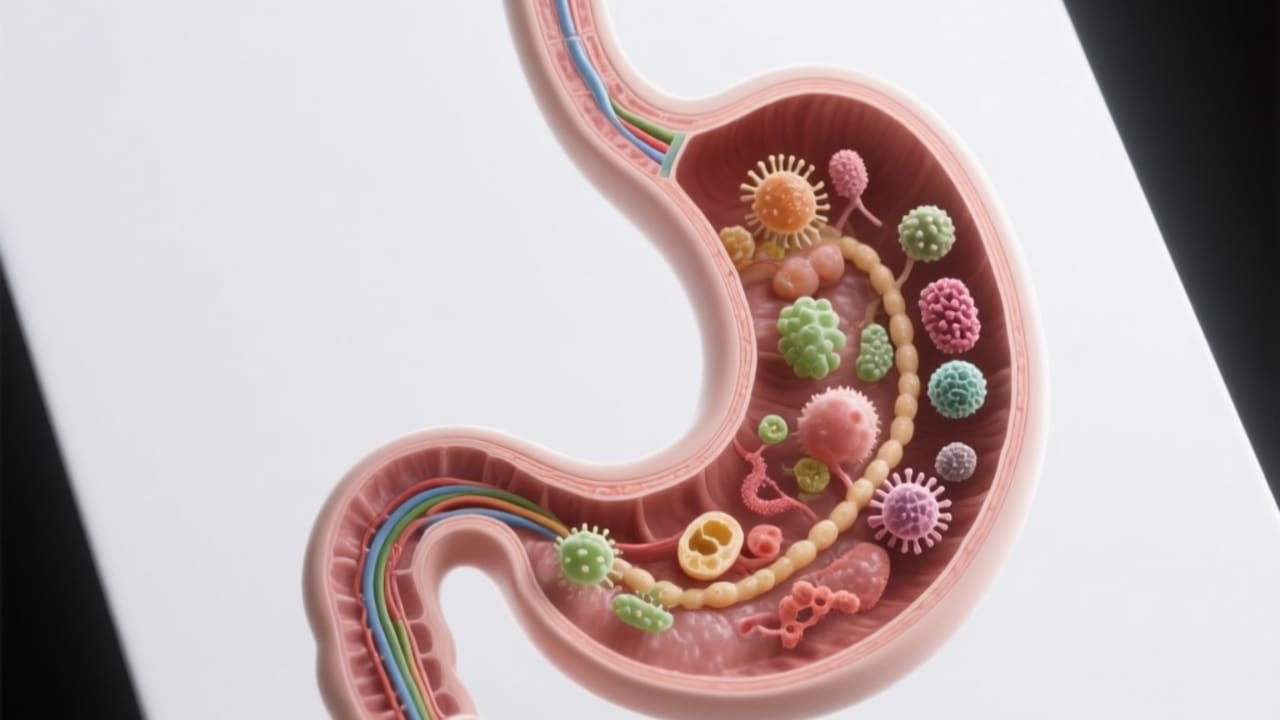
About 70% of immune cells live along your gut lining. What you eat shapes the microbes that live there, and those microbes produce compounds—like short‑chain fatty acids—that can either soothe or stoke inflammation.
Here’s what’s surprising: a 2021 randomized trial from Stanford published in Cell found that a diet high in fermented foods (yogurt, kefir, kimchi, sauerkraut, kombucha) increased gut microbial diversity and decreased several inflammatory markers. Fiber matters, too, but many people feel better easing into higher-fiber eating to avoid bloating while the microbiome adjusts.
Most people have been there—your stomach flips during a stressful week, your skin breaks out, moods dip. That gut–brain–immune crosstalk is real. Nourishing the gut gently and consistently may support calmer days and steadier energy.

Move—then actually recover
Regular movement tends to dial inflammation down over time, especially when you’re not overdoing it. A 2021 review in Sports Medicine reported that consistent aerobic exercise is linked with modest reductions in CRP. Strength training helps, too—muscle acts like an anti‑inflammatory organ when it’s regularly used.
But there’s a curve. All-out, every-day sessions without recovery can backfire and keep your system revved. Think “most days, moderate” as your baseline, with a couple of harder efforts and actual rest. Picture your week like a playlist—if every song is a banger, you’ll tune out; if it’s all lullabies, you’ll get sleepy. The mix is the magic.
One more lens: the CANTOS trial (NEJM, 2017) showed that directly lowering inflammation with an IL‑1β inhibitor reduced recurrent cardiovascular events independent of cholesterol levels—proof that inflammation itself matters in disease risk. Lifestyle isn’t a prescription-strength drug, but it points in the same direction, with far fewer downsides for most people.
Why this matters
Because the clues are easy to shrug off. You skip sleep to get ahead, grab something packaged between meetings, push your run even though your knee aches—then wonder why you feel inflamed and flat. Small pivots compound: a steadier breakfast, a 10-minute walk after lunch, screens off 30 minutes earlier. They won’t fix everything, but they stack up fast.
“You don’t need a perfect plan to cool inflammation—you need repeatable ones you’ll actually do.”
And if your symptoms are severe, sudden, or just not improving, that’s your cue to loop in a clinician. Inflammation is a pattern, not a personality trait. Getting tailored advice can save you months of guessing.
What you can do today
- Build an anti‑inflammatory plate: aim for half veggies, a palm of protein (fish, legumes, tofu, poultry), whole grains, and a thumb of olive oil. Research suggests Mediterranean‑style patterns may help lower inflammatory markers.
- Add one fermented food daily: yogurt or kefir at breakfast, kimchi or sauerkraut with lunch. The Stanford study suggests this may support microbial diversity and lower inflammation.
- Protect your sleep window: target 7–9 hours; try a consistent lights‑out, cool dark room, and a 20–30 minute wind‑down. Meta‑analyses link better sleep to lower CRP and IL‑6.
- Move most days, gently: 20–30 minutes of brisk walking or cycling may help; include 2 short strength sessions weekly. Build in rest—recovery supports the anti‑inflammatory payoff.
- Stress off‑ramps: 5 minutes of paced breathing (inhale 4, exhale 6), a short body scan, or a walk outside may help lower perceived stress. If anxiety or low mood persists, consider discussing options with a professional.
You don’t have to overhaul your life to cool the quiet fire. Pick one lever, make it easy, repeat it for a week, then layer the next. If your symptoms linger or escalate, bring your notes to your doctor—patterns help them help you faster. And if this helped you connect a few dots, send it to a friend who’s running on fumes.
Frequently Asked Questions
Doctors often use high-sensitivity C‑reactive protein (hs‑CRP) as a general marker. Others may include ESR and, in specific cases, ferritin or fibrinogen. These aren’t diagnostic alone, so results are interpreted alongside your history, symptoms, and exam.
Some people report benefit, and research suggests omega‑3s may modestly reduce certain inflammatory markers. Turmeric/curcumin can help some individuals with joint discomfort. It’s worth discussing dose, interactions, and quality with a clinician or pharmacist.
Some folks notice energy or GI changes within 1–2 weeks, while shifts in inflammatory markers may take 6–12 weeks. Consistency matters more than perfection; track how you feel and adjust with your clinician as needed.