
You’re hitting the gym, eating “pretty clean,” and still feel wrung out by 3 p.m. Your runs feel heavier, your mood’s a little flat, your skin’s dull. Most people blame stress or sleep. But here’s the thing—sometimes it’s a quiet nutrient gap doing the dragging.
These gaps build slowly. Months—sometimes years—of just-missed vitamins and minerals from limited sun, fast coffee breakfasts, heavy periods, or meds that nudge absorption down. By the time you notice, the signals can look like everyday life: fatigue, brain fog, low motivation, achy muscles.
Nutrition clinicians call this “hidden hunger”—when you eat enough calories but miss key micronutrients. The Cleveland Clinic describes it as cravings, fatigue, and mood or skin changes that don’t resolve with more sleep or more coffee, because it’s not a willpower problem—it’s a supply problem.
- Fatigue, brain fog, frequent colds, and achy muscles can be signs of common vitamin/mineral gaps.
- Iron, vitamin D, iodine, and B12 are the most missed in 25–45-year-olds.
- Meds matter: metformin and acid-reducers may lower B12; tea/coffee can reduce iron absorption.
- Food-first helps: pair iron with vitamin C; choose iodized salt; get safe midday sunlight.
- Counterintuitive: Fancy sea salts often contain zero iodine—use iodized salt for thyroid support.
What nobody tells you about “healthy fatigue”
Picture this: you’re “doing everything right,” yet your workouts stall and your focus slips by lunch. That mismatch is a clue. Hidden micronutrient gaps don’t scream—they whisper through ordinary symptoms that look like stress. The Cleveland Clinic’s overview of vitamin deficiencies highlights this pattern, noting fatigue, mood changes, and skin shifts when vitamins like B, C, and D run low.
Globally, iron and iodine shortfalls are especially common. The World Health Organization reports anemia remains widespread, with iron deficiency a major driver, while iodine insufficiency still affects large populations and can quietly disrupt thyroid function. You don’t have to be “malnourished” to be under-fueled at the micronutrient level.
The four deficiencies that sneak up (and how they show up)
Iron — the oxygen mover
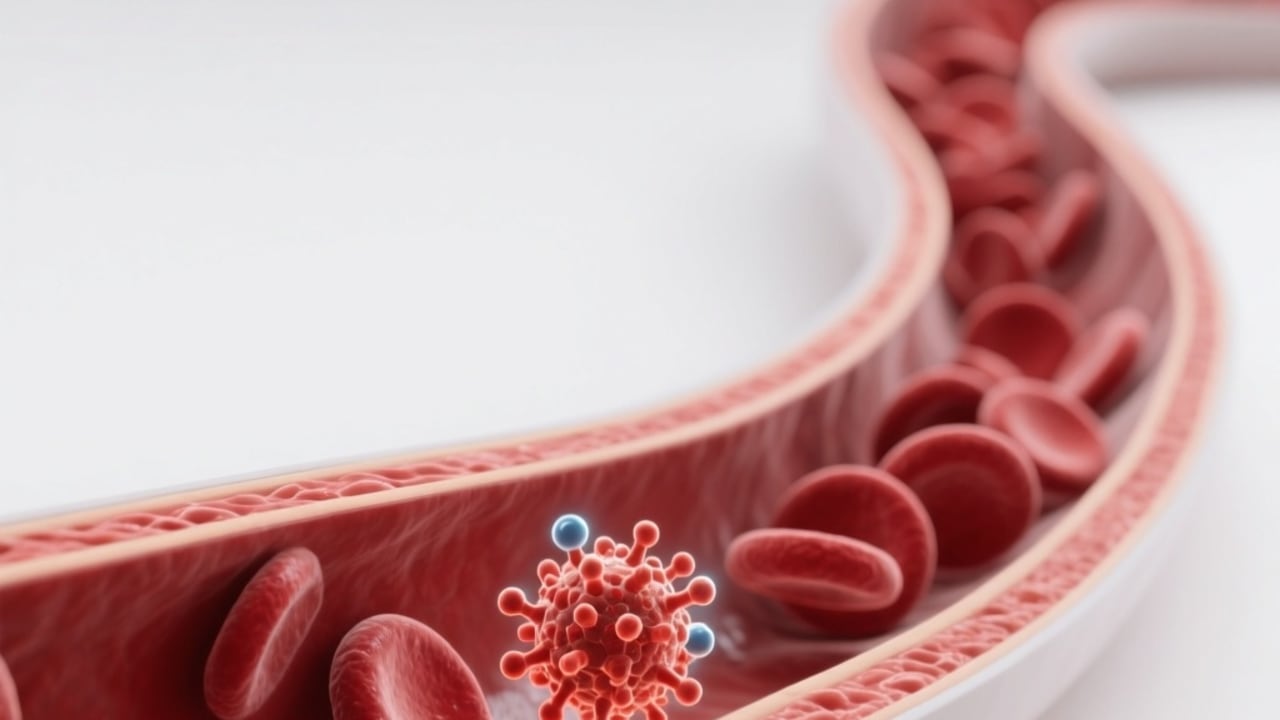
When iron is low, your red blood cells struggle to carry oxygen—so stairs feel steeper and runs feel heavier. Signs can include deep fatigue, pale skin, headaches, brittle nails, shortness of breath, or restless legs. People with heavy periods, endurance athletes, and plant-forward eaters are at higher risk.
The WHO’s latest anemia estimates underscore how common iron-related fatigue remains among women of reproductive age. Clinically, ferritin (your iron storage) often drops before hemoglobin, so asking about ferritin can catch issues earlier.
Vitamin D — the sunlight signal
Low vitamin D can feel like low-grade aches, weaker lifts, more winter colds, or a flat mood. Indoor work, sunscreen, darker skin, and northern latitudes all reduce your skin’s vitamin D production. The NIH Office of Dietary Supplements notes these factors as common barriers.
Research has linked vitamin D status to bone and muscle function, and a 2017 BMJ meta-analysis found supplementation modestly lowered the risk of acute respiratory infections—especially in people who started out deficient. Translation: if you rarely see midday sun, your tank may sit low without obvious warning.
Iodine — the thyroid’s quiet co‑pilot
Iodine helps your thyroid set your metabolic “pace.” Too little over time can lead to an enlarged thyroid (goiter), fatigue, feeling cold, weight changes, dry skin, or brain fog. Here’s the subtle trap: many gourmet and sea salts aren’t iodized. If you swapped table salt for flaky sea salt, you might have lost your main iodine source.
The Iodine Global Network’s 2022 scorecard shows that iodine insufficiency persists in many regions, and needs increase in pregnancy. If your salt isn’t iodized and you don’t eat dairy, eggs, or seaweed (in safe amounts), you could be skimming under the radar.
Vitamin B12 (and sometimes C) — energy and repair
B12 keeps nerves and red blood cells humming. Low levels may show up as fatigue, pins-and-needles, tongue soreness, poor concentration, or mood changes. Risk goes up with vegan diets, long-term metformin use, and acid-reducing meds. The American Diabetes Association’s 2024 Standards of Care recommend periodic B12 checks for people on long‑term metformin. A 2013 JAMA study also linked chronic proton pump inhibitor use with higher odds of B12 deficiency.
Vitamin C deficiency is less common but can cause fatigue, easy bruising, and gum bleeding. Analyses of U.S. NHANES data show a meaningful minority of adults run low—especially with minimal fruit and vegetable intake or smoking.
It’s not just what you eat—it’s what you absorb
Most people have been there—salad in one hand, latte in the other, rushing to a meeting. Great intention, tricky timing. Tannins in coffee and tea can reduce non‑heme iron absorption from plants; calcium competes with iron; and high‑phytate foods (like bran) blunt mineral uptake if they’re the only thing in your bowl.
Medications and gut health matter too. The ADA’s 2024 guidance on metformin and B12 is one example. And a well‑cited 2013 JAMA analysis found long‑term acid suppression (PPIs) associated with B12 deficiency—likely because stomach acid helps free B12 from food. Conditions like celiac disease or inflammatory bowel disease can impair absorption of iron and fat‑soluble vitamins; gastroenterology guidelines routinely flag iron deficiency as a common early clue.
The practical takeaway: if you’re checking all the “healthy eating” boxes but still feel off, absorption friction—timing, medications, gut health—may be part of the story.

Testing smart, supplementing safer
You don’t need a dozen tests to get started. Focus on symptoms and risk factors, then discuss targeted labs with a clinician. Ferritin for iron stores; 25(OH)D for vitamin D; B12 (with methylmalonic acid if borderline); and thyroid labs (TSH ± free T4) if you suspect iodine issues. For context, the U.S. Preventive Services Task Force (2022) concluded evidence is insufficient to support routine vitamin D screening in asymptomatic adults—so a symptom‑driven, risk‑aware approach is reasonable.
Supplements can help, but dose and duration matter. Iron is best absorbed with vitamin C and away from coffee/tea; vitamin D is fat‑soluble and absorbs better with a meal; B12 can be oral or sublingual for many, but injections are sometimes used under medical care. Avoid megadoses unless prescribed, and re‑check levels after a few months to guide adjustments.
Why this matters
Because feeling “off” changes how you show up—for work, workouts, relationships. Addressing a small micronutrient gap can make ordinary life feel less uphill. In a randomized trial in CMAJ (2012), iron supplementation modestly improved fatigue in iron‑deficient, non‑anemic women—a reminder that “not technically anemic” doesn’t always mean “optimally fueled.”
Feeling off isn’t a personality trait—it’s often a clue. Listen to it.
And no, this isn’t about chasing perfection. It’s about easy, repeatable moves—like using iodized salt and moving your coffee—so your baseline feels better without overhauling your life.
What you can do today
- Check your salt: switch to iodized salt at home; keep sea salt for finishing. This small swap may help thyroid health if iodine intake is low.
- Pair and time iron: add vitamin C (citrus, strawberries, bell peppers) with iron‑rich meals; wait ~1 hour after iron to drink coffee/tea. This may boost absorption.
- Sunlight strategy: research suggests brief midday sun on arms/legs may help vitamin D in many people; if you rarely get sun, ask your clinician about testing and safe supplementation.
- Mind your meds: if you take metformin or long‑term acid reducers, it’s worth discussing B12 testing with your doctor or pharmacist.
- Food-first rhythm: include 1–2 servings of oily fish weekly (omega‑3s), beans or lean meats for iron, eggs/dairy or fortified foods for iodine and B12, and a daily pile of colorful produce for C.
Start small, notice how you feel over 4–8 weeks, and loop in a clinician if symptoms persist. Share this with a friend who’s “just tired”—they might be missing the same quiet piece.
Frequently Asked Questions
It’s hard to know without labs, but patterns help. Fatigue plus brittle nails, shortness of breath on stairs, or restless legs point more toward iron; achy muscles and more winter colds suggest low vitamin D. If symptoms persist despite good sleep, discuss targeted tests like ferritin, 25(OH)D, B12, and thyroid labs with a clinician.
Possibly. Coffee and tea can reduce non‑heme iron absorption if taken with meals, and long‑term metformin or acid‑reducing meds are linked with lower B12. Adjusting timing and asking for a B12 check may help if you have symptoms.
Food-first changes are reasonable, but targeted testing can prevent over‑ or under‑supplementing. If you’re very symptomatic (e.g., heavy periods with fatigue), short‑term low‑dose iron may be tried under guidance while you arrange labs.