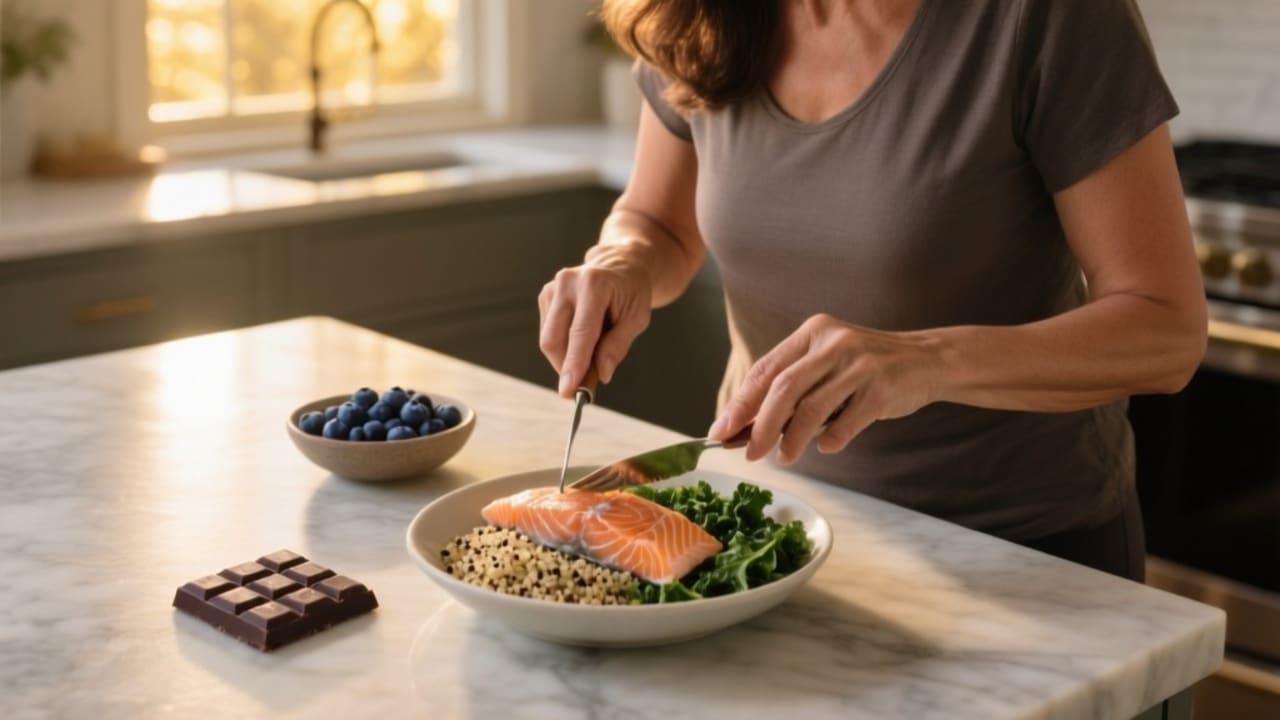
Most people blame stress, coffee timing, or a bad night’s sleep when energy tanks. But here’s the thing: your food might look “healthy,” yet your cells can still be running on empty from quiet micronutrient gaps.
A 2022 analysis from the Global Alliance for Improved Nutrition suggests the old estimate—2 billion people with micronutrient deficiencies—may be a major underestimate. That “hidden hunger” doesn’t always look dramatic. It shows up as the 3 p.m. crash, recurring colds, brain fog, restless legs, brittle nails, or workouts that suddenly feel heavier.
If you’ve cleaned up your diet and sleep but still feel “off,” you’re not imagining it. Subtle nutrient gaps can nudge hormones, immunity, and energy production—quietly, and for months.
- Fatigue, brain fog, and frequent colds can be early signs of micronutrient gaps—not just stress.
- Iron, vitamin D, and iodine are three common shortfalls that can affect energy, mood, and metabolism.
- Food-first fixes help: pair iron + vitamin C, choose iodized salt, and include safe sun + D-rich foods.
- Symptoms are nonspecific—targeted bloodwork may be worth discussing before supplementing.
- Counterintuitive: “Clean eating” without fortified foods or iodized salt can increase your risk of gaps.
What no one tells you about “hidden hunger”
Picture this: your plate is colorful, you hit the gym, you hydrate. Yet by Thursday, you feel like your phone stuck at 10% battery—functional, but sluggish. That’s how micronutrient gaps work: you can eat enough calories and still miss critical vitamins and minerals your cells need for oxygen transport, immune defense, thyroid hormones, and neurotransmitters.
The Global Alliance for Improved Nutrition’s 2022 report with the Micronutrient Forum highlights how hidden hunger compromises immunity and productivity worldwide—far beyond low‑income settings. In adults, it often flies under the radar because symptoms overlap with modern life: long workdays, stress, and poor sleep. But the biology is concrete: low iron strains oxygen delivery; low vitamin D can alter immune signaling and bone turnover; low iodine slows thyroid hormone production.
Three small deficiencies with outsized effects
Iron: oxygen delivery and that “out of breath” feeling
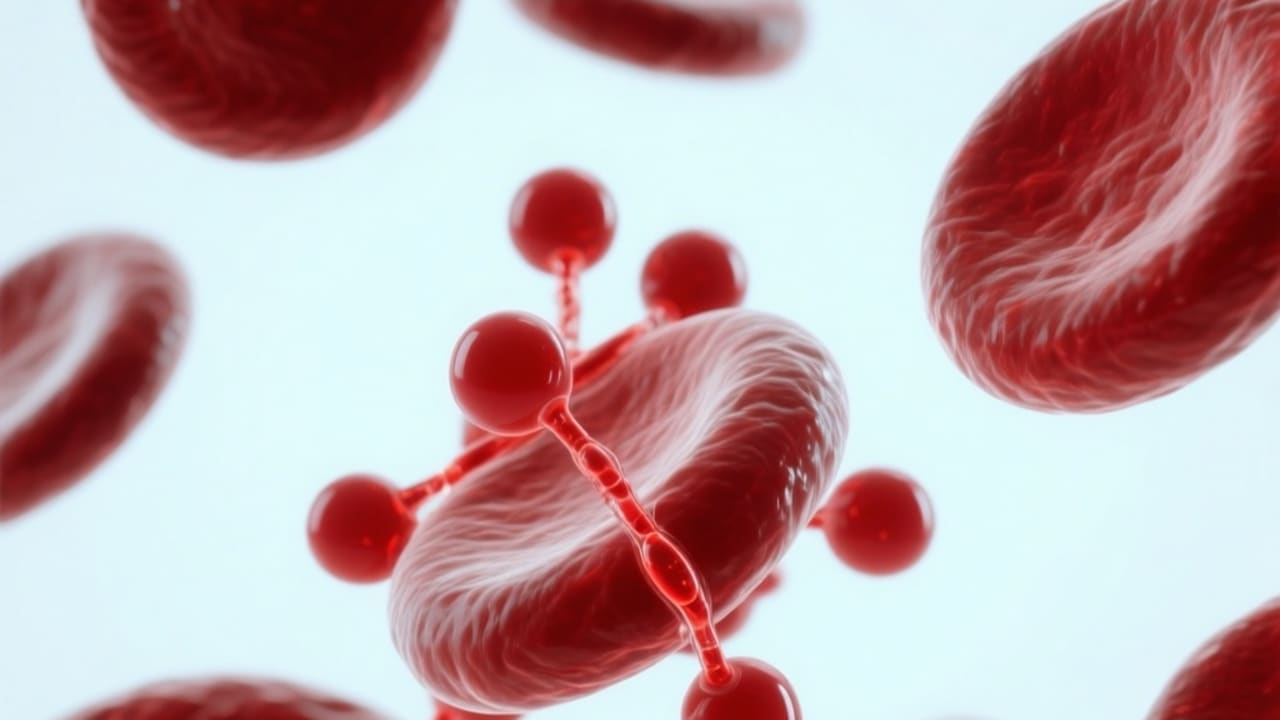
Iron helps build hemoglobin—the protein that carries oxygen in red blood cells. When iron runs low, energy dips, workouts feel harder, you might notice pale skin, brittle nails, headaches, or restless legs. The CDC notes iron deficiency is common among women of reproductive age and during pregnancy, and it’s also seen in athletes and people with heavier periods or low‑meat diets. Vegetarian and vegan eaters can still meet needs, but it takes more planning because plant iron (non‑heme) is absorbed less efficiently than heme iron in animal foods.
What’s surprising: tea and coffee with meals can reduce non‑heme iron absorption, while vitamin C (think lemon on spinach, strawberries with oats) may enhance it, according to the NIH Office of Dietary Supplements.
Vitamin D: sunshine, immunity, and mood
Vitamin D supports calcium balance, bone health, and aspects of immune function. Levels can dip if you use strong sun protection (important for skin health), have minimal midday sun exposure, have darker skin, live at higher latitudes, or rarely eat D‑rich foods (fatty fish, fortified milk or plant milks, egg yolks). The NIH and multiple reviews report that insufficiency is widespread, especially in the winter months.
While research on vitamin D and respiratory infections has mixed findings, several meta‑analyses suggest people with the lowest levels may benefit most from repletion. Practically, that means testing can help decide if food, safe sun, or a supplement is warranted.
Iodine: thyroid hormones and a steady metabolism
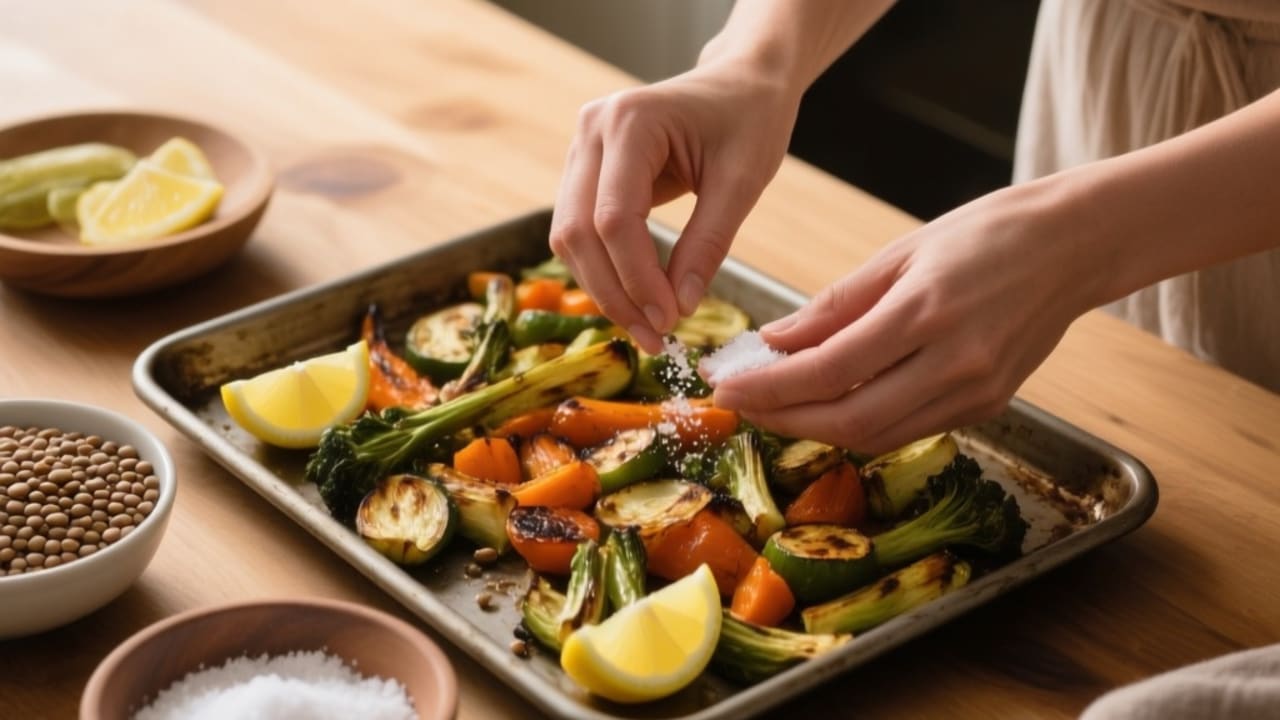
Iodine is a quiet workhorse for thyroid hormone production. Low intake can show up as fatigue, feeling cold, hair shedding, or brain fog—symptoms that overlap with many other issues. The American Thyroid Association emphasizes iodine needs rise in pregnancy and lactation. Here’s the twist: many “clean eating” kitchens swap iodized table salt for sea salt or flaky finishing salts that often aren’t iodized, and plant‑based diets without seaweed or dairy can slide short on iodine.
Using iodized salt at home is an easy, low‑cost safeguard; just keep overall sodium within health guidelines.
Symptoms vs. labs: how to check smartly
You know that feeling when you Google a symptom and get 40 possible causes? Nutrient gaps are like that—nonspecific. Fatigue, hair changes, or low mood can come from stress, sleep debt, thyroid conditions, low iron, low B12, depression, or something else entirely. That’s why testing—guided by your clinician—can save time and guesswork.
For iron status, ferritin (your iron storage) plus a complete blood count is commonly used. For vitamin D, clinicians typically measure 25‑hydroxyvitamin D. For thyroid health, TSH and sometimes free T4 are first‑line; iodine status is usually assessed at a population level, not routinely in individuals. The U.S. Preventive Services Task Force (2021) found insufficient evidence to screen all asymptomatic adults for vitamin D deficiency, which is why testing is often personalized based on risk and symptoms rather than automatic for everyone.
If you’re plant‑based, have heavier periods, are pregnant or postpartum, have limited sun, or have a history of thyroid issues, it may be worth discussing targeted labs rather than guessing with supplements.
Food-first upgrades that move the needle
Most people have been there—adding a multivitamin and hoping for magic. Supplements can help in specific cases, but your daily habits usually do the heavy lifting. Here’s how to stack the deck in your favor.
- Iron, smarter: Include iron-rich foods (beans/lentils, tofu/tempeh, beef, chicken thighs, oysters). Pair plant iron with vitamin C (citrus, peppers, tomatoes). Consider spacing tea/coffee 60–90 minutes away from iron‑rich meals. The NIH ODS highlights vitamin C’s role in enhancing non‑heme iron absorption.
- Vitamin D, layered: Combine safe sun exposure (short, sensible windows), D‑rich foods (salmon, sardines, fortified milks, eggs), and testing if you’re at risk. Your clinician can guide supplements if labs are low.
- Iodine, the easy fix: Use iodized salt in cooking at home; keep gourmet salts for finishing. If you’re pregnant or planning, ask about a prenatal with iodine (often 150 mcg), as recommended by many thyroid and obstetric groups.
- Fortified friends: Don’t sleep on fortified staples—plant milks, cereals, and nutritional yeast can help close gaps for B12, D, iron, and more. The GAIN/Micronutrient Forum report (2022) notes fortification is an effective, scalable tool.
- Pattern > perfection: Build plates with protein, colorful produce, fiber‑rich carbs, and healthy fats. Over a week, aim for 30+ different plants—variety supports a nutrient‑dense microbiome ecosystem that may help absorption.
Why this matters
Because you deserve energy that lasts past lunch, workouts that feel doable, and an immune system that won’t tap out every few weeks. Quiet deficiencies chip away at that baseline without making a dramatic scene—and they’re often fixable with small, consistent changes plus targeted care when needed.
“You don’t need a perfect diet—you need the right inputs, consistently. Small upgrades compound into real energy.”
But what does that actually mean for your Monday morning? It’s the lemon you squeeze on beans and greens, the switch to iodized salt, the salmon in your calendar once a week, and the lab slip you finally schedule. That’s how “tired but fine” turns into “I actually feel good.”
What you can do today
- Spot patterns: Track one week of energy, sleep, workouts, and meals. Repeating fatigue, frequent colds, or hair/nail changes may be worth discussing.
- Ask for targeted labs: If symptoms persist, consider ferritin/CBC, 25‑OH vitamin D, and TSH with your clinician. Testing first may help you avoid unnecessary supplements.
- Make two food swaps: Use iodized salt for cooking and add one iron‑rich meal paired with vitamin C this week.
- Plan smart sun: Short, sensible daylight exposure may help vitamin D; if you have skin cancer risk or very limited sun, discuss dietary and supplement options instead.
- Choose supplements carefully: If recommended, use evidence‑based doses and re‑check labs. More isn’t better—especially with iron or iodine.
You don’t have to overhaul your life to feel different—just nudge the right levers. Share this with a friend who’s “tired for no reason,” and save it for your next grocery run and checkup.
Frequently Asked Questions
Common, nonspecific clues include fatigue, brain fog, frequent colds, brittle nails, hair shedding, pale skin, restless legs, and feeling cold. Because these overlap with many issues, it’s reasonable to discuss targeted bloodwork before changing supplements.
Mild shortfalls may improve with food strategies (iron + vitamin C, D‑rich and fortified foods) and sensible sun. Moderate to severe deficiencies often need supplements for a period—best guided by labs and your clinician.
Not usually. Many sea salts and flaky finishing salts aren’t iodized. Using iodized table salt in cooking is an easy way to support iodine intake while keeping overall sodium within recommendations.