
It’s 3:17 p.m. You’ve reread the same sentence four times, you’re oddly irritable about a harmless Slack ping, and the snack drawer is whispering your name. Most people blame stress or “low willpower.” But here’s the thing — that crashy, edgy window often isn’t a character flaw. It’s blood sugar.
Short, steep blood sugar spikes set you up for short, steep crashes — and your brain feels every inch of that rollercoaster. Mood swings, scattered focus, anxious jitters, then a slump that makes your couch look like destiny. The surprising part: it doesn’t take a donut. Even “healthy” habits like coffee on an empty stomach or a fruit-only breakfast can light the fuse.
- Blood sugar spikes can nudge mood, focus, and stress reactivity — not just energy.
- Pair carbs with protein, fat, and fiber to slow the rise and steady your brain.
- A 10–15 minute walk after meals may blunt post-meal spikes.
- Savory, protein-forward breakfasts often calm mid-morning anxiety more than sweet starts.
- Counterintuitive: Cooled potatoes or rice (resistant starch) may spike you less than hot versions.
Your brain runs on glucose — just not the rollercoaster
Picture this: your brain is a hybrid car. It needs a steady trickle of fuel, not flooring the gas then slamming the brakes. Rapid glucose swings can feel like that — rev, lurch, stall. And your mood and attention wobble along with it.
There’s a tighter brain–blood sugar link than most of us realize. Researchers at NYU Grossman School of Medicine reported in Nature that specific memory-related signals in the hippocampus were followed by changes in blood sugar in animals, suggesting the brain can help regulate metabolism in near real time. Translation: your memory hub and your metabolic system are on the same group chat — which helps explain why fuel instability can show up as brain fog or edginess.
That’s not a diagnosis and it’s not only about sweets. Coffee before food, highly refined carbs, and even “healthy” smoothies without enough protein or fiber may set up a sharper rise — and the inevitable dip.
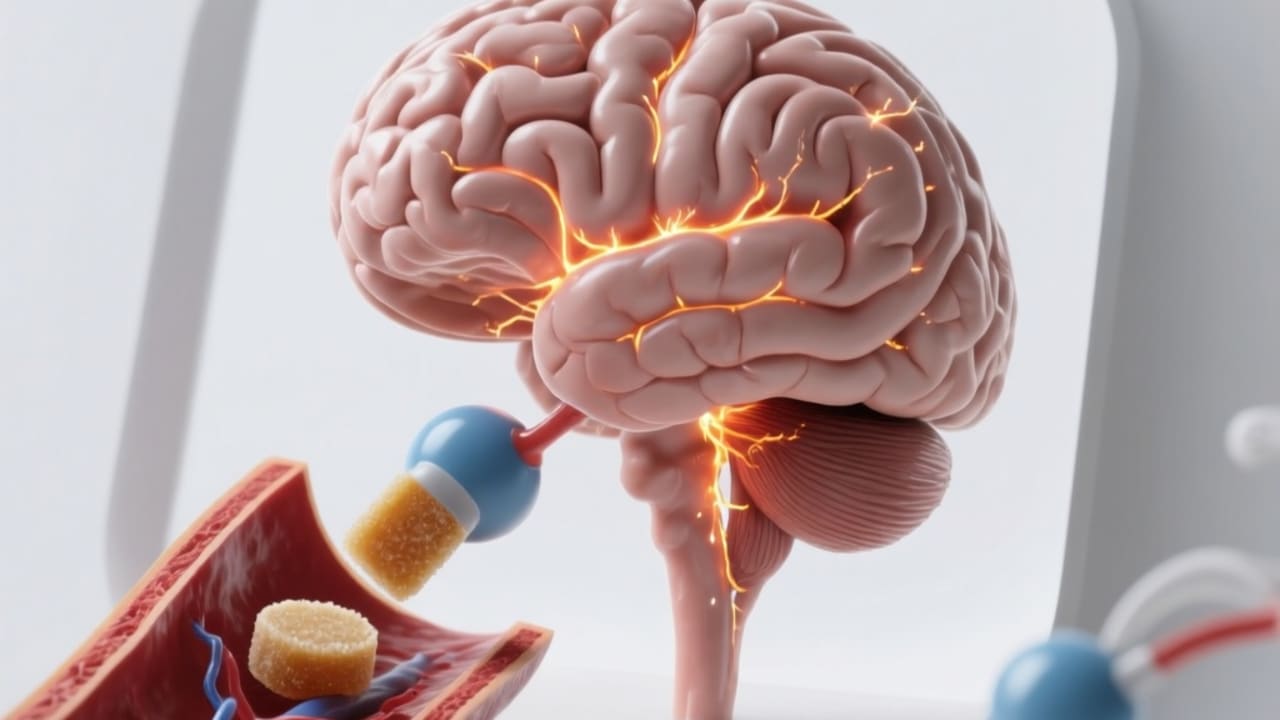
Spikes, crashes, and mood: what’s really happening
When glucose shoots up quickly, your body responds with insulin. Overshoot that response and you may end up low-ish an hour or two later — cue irritability, shakiness, and that must-eat-now urgency. Many people read this as “stress,” and sure, life is stressful. But the biology can magnify it.
A recent clinical review on glucose extremes in Type 1 diabetes reports that rapid glycemic swings can drive inflammatory and oxidative stress signals that affect neural tissue. The authors highlighted evidence that variability — the size of the swings — may matter as much or more than average glucose for cognition. While that research focuses on diabetes, the mechanism helps make sense of why some people without diabetes feel moody or foggy after a surge-and-dip meal pattern.
On the neurotransmitter side, swings can disrupt the balance of serotonin and dopamine activity your brain uses to regulate motivation and calm. That doesn’t mean sugar “causes” depression, but repeated spikes may nudge stress reactivity and emotional control in the short term, especially if sleep is off or you’re already under pressure.
Attention and brain fog: the hidden concentration tax
You know that feeling when you’re scrolling, bouncing between tabs, and your brain won’t “lock on”? Fuel swings can add a quiet tax to sustained attention. It’s not dramatic — just enough to slow you down.
A 2024 study led by Washington State University and McLean Hospital found that large swings in blood glucose in people with Type 1 diabetes were linked with slower information processing, with some individuals more affected than others. Researchers suggested that attention may suffer more when highs or lows persist for longer stretches, not just second-to-second blips. While the participants had diabetes, the takeaway for the rest of us is practical: fewer big rises, fewer long dips, steadier focus.
Think of it like Wi‑Fi. One quick dropout is annoying; repeated drops make a Zoom meeting impossible. Stabilizing your “signal” helps your brain stay online.

Food rhythms that keep you steady
Most people have been there — a smoothie breakfast, a “light” salad lunch, then afternoon vending machine diplomacy. A steadier pattern doesn’t have to be complicated or joyless. It’s about pacing the carbs and surrounding them with protein, fat, and fiber so glucose trickles in.
Build a balanced plate (or bowl)
Aim for a palm-sized serving of protein, a thumb or two of healthy fats (olive oil, avocado, nuts), plenty of non-starchy vegetables, and a cupped-hand portion of carbs you enjoy. Whole grains, beans, fruit, potatoes, and rice can all fit — pairing and portioning are the levers.
Front-load protein, especially at breakfast
A savory, protein-forward breakfast (eggs with veggies, Greek yogurt with nuts, tofu scramble, smoked salmon and avocado) may smooth your mid-morning mood more than a sweet start. Many readers tell us their anxiety feels dialed down when they do this for a week.
And timing matters. A short walk after meals — even 10 minutes — may help your muscles take up glucose more smoothly, which a range of exercise studies support.
Why this matters
This isn’t about perfection or fear of food. It’s about matching how your brain likes to be fueled with how you actually live — the coffee meetings, the daycare pickup, the late emails.
When your blood sugar is steadier, your mood often feels less “mystery” and more “manageable.” That’s a quiet form of resilience.
Better fuel rhythms won’t fix every bad day. But steadier inputs can lower the background noise so you can handle the real stuff — the deadline, the tough conversation — with a clearer head.
What you can do today
- Start with protein: 20–30g at breakfast (eggs, Greek yogurt, tofu, cottage cheese, protein smoothie with fiber) may help steady your morning.
- Pair your carbs: Add nuts, seeds, olive oil, cheese, or beans to fruit, toast, or rice to slow the rise.
- Walk it out: A relaxed 10–15 minute walk within an hour after meals may help blunt post-meal spikes.
- Mind your coffee: Try coffee with or after breakfast rather than on an empty stomach — some people find it reduces jitters.
- Easy swaps: Consider cooling cooked potatoes or rice and reheating (boosts resistant starch), or choosing whole fruit over juice for more fiber.
If you have diabetes or a medical condition, or you’re on glucose-lowering medications, discuss changes with your clinician. A registered dietitian can help personalize these ideas to your routine and preferences.
Small tweaks, big steadiness. If this helped decode your 3 p.m. mood, share it with someone who keeps granola bars in every drawer.
Frequently Asked Questions
Rapid blood sugar spikes can be followed by a sharper drop, which some people feel as shakiness, irritability, and urgent hunger. Pairing carbs with protein, fat, and fiber and adding a short post-meal walk may help smooth that curve. If symptoms are frequent or severe, check in with a healthcare professional.
Whole fruit isn’t “bad” — it comes with water, fiber, and micronutrients. Many people do well pairing fruit with protein or fat (like yogurt or nuts) and choosing whole fruit over juice to avoid a sharper spike.
Some people find short-term CGM use educational, but it’s not necessary for everyone and readings can be tricky to interpret. Before trying one, consider simple habits first and discuss pros and cons with a clinician, especially if you have an underlying condition.