
Most people blame stress or a bad week when their anxiety spikes. But here’s the thing: mood often starts south of your brain—right in your gut.
Picture this: you clean up your diet for two weeks, add a scoop of fiber, eat yogurt at breakfast… and your edge softens. You’re not imagining it. The gut-brain axis is a two-way line, and what you feed your microbes can shape how your nervous system responds to stress.
That’s why “probiotics for anxiety” keeps trending. Some strains do seem to help—within limits. Let’s make sense of the hype, the science, and what to try safely.
- Probiotics may ease anxiety for some people, but effects are modest and strain-specific.
- Food first works: fiber, polyphenols, and fermented foods often outperform capsules over time.
- Counterintuitive: more CFUs isn’t always better—the right strain + consistency matters most.
- The gut-brain axis uses nerves, immune signals, and microbe-made neurotransmitters to influence mood.
- Safety check: if you’re immunocompromised, pregnant, or on complex meds, talk to your clinician first.
Your Gut Talks to Your Brain—Constantly
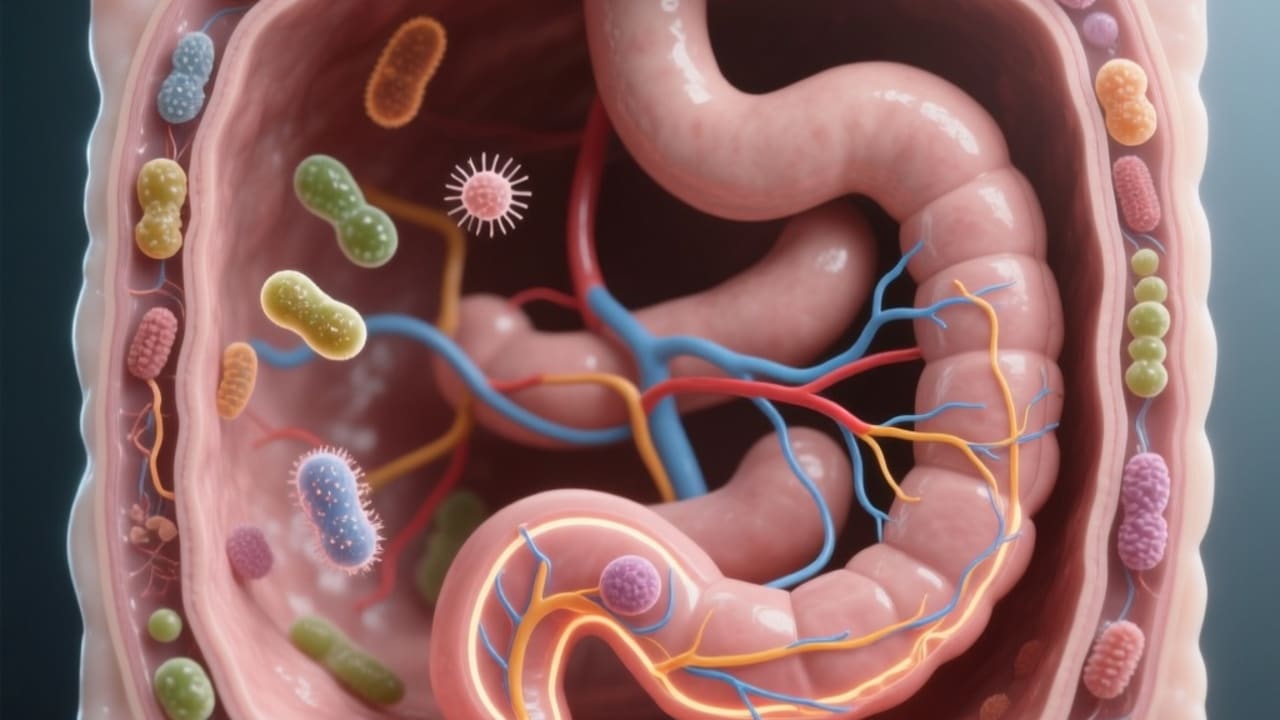
Think of your gut and brain like a group chat: nerves, immune messengers, and hormones all ping at once. Microbes in your intestines help make neuroactive compounds (like GABA) and influence serotonin availability through tryptophan metabolism—inputs your brain hears loud and clear.
A 2017 review on the gut–brain axis described how microbiota can shape anxiety and depressive symptoms via the vagus nerve, immune signaling, and metabolic pathways (Clinics and Practice, 2017; PMC5641835). Translation: the “butterflies” in your stomach aren’t just a feeling; they’re biology.
Signals your microbes send
Microbes help turn food into short-chain fatty acids (SCFAs) that may cool inflammation, a known mood disruptor. They also nudge the stress system (HPA axis). When that system is overactive, anxiety ramps. When it’s balanced, you feel steadier.
Most people have felt this on a travel week: sleep tanks, meals skew ultra-processed, your gut gets off—and your mood follows. That’s the axis at work.
So, Do Probiotics Help Anxiety?
Short answer: sometimes. A 2025 review in Nutrients reported that several probiotic and prebiotic trials showed small but meaningful improvements in stress, anxiety, and mood, especially as adjuncts to standard care (MDPI, 2025; 17(21):3350).
Mechanistically, psychobiotic strains can modulate GABA signaling, tweak immune–endocrine pathways, and potentially increase tryptophan availability—routes linked to emotional regulation (Nutrients, 2025; 17(21):3350).
And the animal evidence is striking: a 2025 feature in Nature highlighted work from John Cryan’s group showing that transferring microbiota from people with depression into healthy rodents triggered anxiety-like behaviors and altered tryptophan metabolism—strong support that microbes can drive mood shifts (Nature, 2025).
The catch: strains, not just species
Labels can say “Lactobacillus” or “Bifidobacterium,” but effects hinge on specific strains and regular use for 4–8 weeks in many trials. In other words, one yogurt here and there won’t cut it—consistency matters more than megadoses.
Food First: Feed the Microbes That Calm
Here’s what’s surprising: dietary pattern often beats a pill. Fiber and polyphenols (think beans, oats, berries, leafy greens, extra-virgin olive oil) are prebiotic fuel for the very microbes linked to calmer stress responses.
A 2023 review noted that diet-induced dysbiosis—especially high-sugar, high-fat patterns—can shift microbial balance and relate to anxiety-like behaviors in animals (PMC10146621). In mice, antibiotic-induced dysbiosis increased inflammation and depressive behaviors, while Lactobacillus casei supplementation helped reverse some changes (PMC10146621).
Most people have been there—lunch is fries and a soda, afternoon jitters show up, and sleep gets choppy. Fiber-rich meals and fermented foods (yogurt with live cultures, kefir, kimchi, miso, tempeh) are a practical counterweight.
Build a “microbe-friendly” plate
Aim for 25–35g fiber daily, rotate plant foods (30+ per week is a helpful target), add a small serving of fermented foods most days, and keep ultra-processed snacks occasional. It’s not about perfection—it’s about steady inputs your microbes can work with.

Who Might Benefit—and When to Be Cautious
If your anxiety flares with IBS symptoms, after antibiotics, or during high-stress seasons, a targeted probiotic may be worth a short trial alongside nutrition shifts. The evidence suggests adjunct benefits rather than stand-alone fixes (Clinics and Practice, 2017; PMC5641835; Nutrients, 2025).
That said, probiotics aren’t for everyone. If you’re immunocompromised, pregnant, or managing complex conditions, check with a clinician first. And if anxiety is interfering with work, relationships, or sleep, it’s worth discussing evidence-based therapies (like CBT or medications) while you adjust diet—these can work together.
How to test without guessing
Choose a product that has been used in human mood or stress trials, start with the labeled dose, and give it 6–8 weeks while keeping your diet steady. Track changes in a simple mood–gut log so you can see real patterns rather than vibes.
Why This Matters
Because the smallest habits—your breakfast fiber, a daily kefir, an extra serving of beans—may move the needle on how reactive you feel at 3 p.m. and how well you sleep at 11. That’s not wishful thinking; it’s how the gut-brain axis works.
“Your microbes eat first. Feed them well, and your nervous system often follows.”
But what does that actually mean for your Monday morning? It’s swapping the pastry for oats and berries, adding a spoon of sauerkraut to your bowl, and noticing if your shoulders drop a notch by Friday.
What You Can Do Today
- Add one prebiotic food per meal: oats or chia at breakfast, beans at lunch, greens at dinner. Research suggests steady fiber supports a calmer stress response.
- Include a small serving of fermented foods daily (yogurt with live cultures, kefir, kimchi, miso). Consistency may matter more than quantity.
- If you try a probiotic, pick a strain used in human mood/stress studies and stick with it for 6–8 weeks. Track sleep, tension, and GI symptoms.
- Consider a gentle prebiotic (like GOS or inulin) if tolerated; those with FODMAP sensitivity may need to start low and go slow.
- Pair nutrition with proven supports: movement, sunlight, breathwork, and therapy. Together, these may amplify benefits across the gut-brain axis.
You don’t have to overhaul everything to feel different. Start with breakfast, add one fermented food, and see how your week shifts. If this helped, share it with someone who needs a calmer afternoon—and explore our next piece on fiber hacks that actually taste good.
Frequently Asked Questions
Evidence is still emerging and tends to be strain-specific. Some human trials using Lactobacillus and Bifidobacterium strains reported modest benefits, but results vary; choose products used in studies and discuss with a clinician.
Many trials run 4–8 weeks. If you don’t notice changes by then—especially alongside a fiber-rich diet—consider switching strains or focusing on food-first strategies.
It may help. Increasing fiber, polyphenol-rich plants, and fermented foods has been linked to healthier microbiota, which can support stress regulation. Severe or persistent anxiety still warrants medical care.